

A machine demonstration becomes useful to a packaging buyer when another person can understand what was run, which materials were used and how the resulting samples were assessed. An attractive finished sheet alone leaves too many questions open. It may represent one favorable combination, an unfamiliar material batch or a result examined before the adhesive had reached the supplier's stated evaluation stage. A comparable trial record connects those conditions to the exact samples that a purchasing team will keep and discuss.
This guide explains how to organize that record for conversations about automatic laminating and coating machines, including equipment in the Wenzhou Yueda Packaging Machinery product range. It is a purchasing and documentation framework, rather than a set of operating instructions. Actual machine settings, adhesive handling, guarding, cleaning and maintenance must follow the relevant equipment and material instructions. No suggested record format proves that a particular configuration can process every film, coating or board mentioned during an initial inquiry.
Describe the packaging component before discussing the equipment. A printed folding-carton sheet, a decorative card and a covered presentation component may have different appearance priorities and downstream operations. State which face will be seen, where folds or glued areas will occur and which surfaces must remain available for later processing. If the customer has an approved physical reference, identify it and explain whether it represents appearance, construction or both. A reference with an unknown construction cannot establish a complete material specification.
Translate broad phrases into observable questions. Instead of asking for a beautiful surface, say which areas will be examined for gloss consistency, visible marks or an unwanted change in the printed design. Instead of asking for strong bonding, identify the intended assessment method and the point at which it should be performed. These questions do not create acceptance limits by themselves. They give the buyer, equipment supplier and material supplier a shared starting point for agreeing on a review that can actually be repeated.
The words laminating and coating cover several process arrangements. A film bonded to a substrate, a pre-coated material activated under specified conditions and a coating applied directly to a surface are not interchangeable descriptions. Before comparing quotations or demonstrations, ask each supplier to state the proposed process in plain language. Identify where the adhesive or coating enters the process and what material leaves the line. This prevents a comparison between machines configured for different jobs from being reduced to a single headline speed.
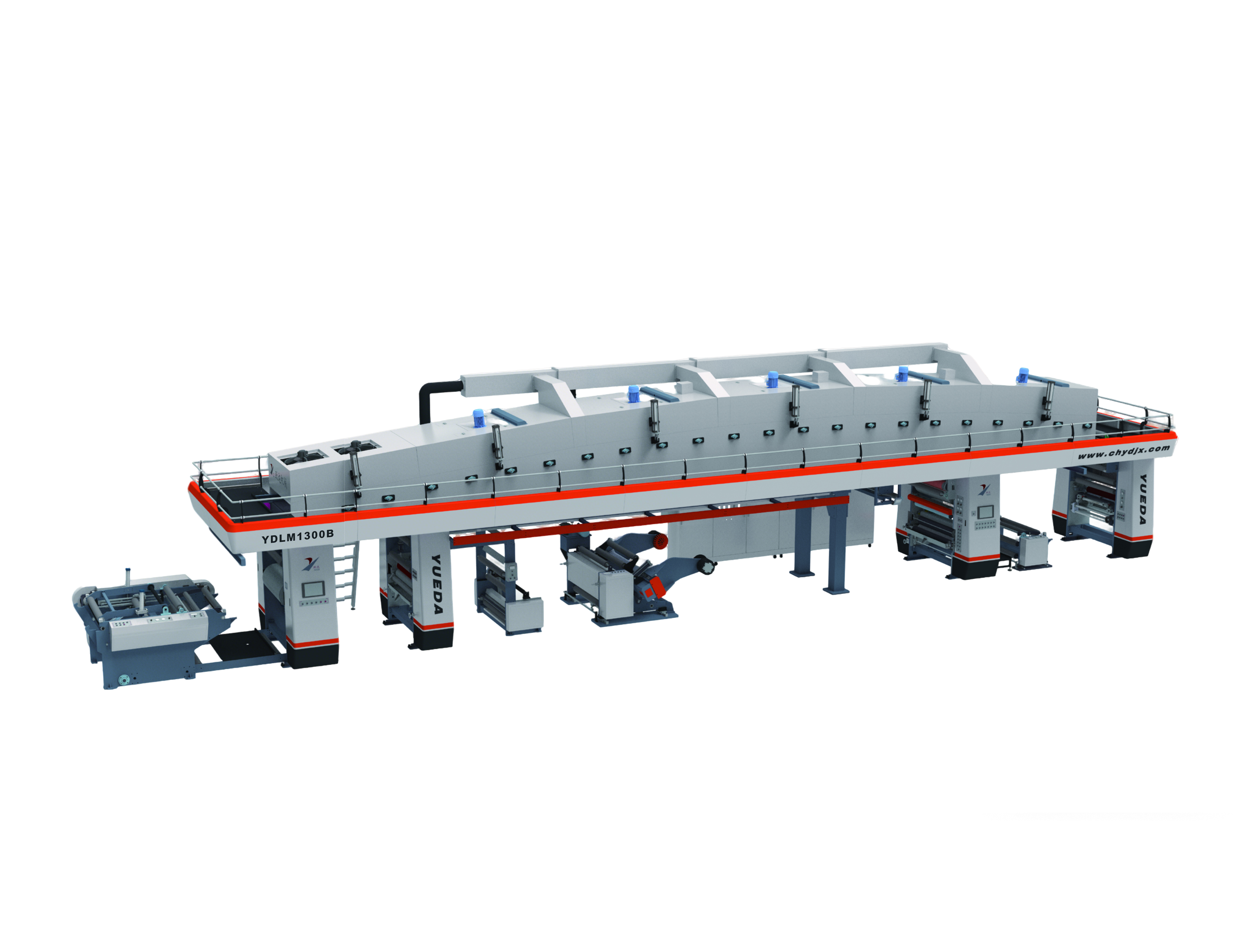
For a proposed water-glue lamination application, describe the intended adhesive and material combination without assuming that every alternative process is also available on the same machine. If a second proposal uses another bonding system, create a separate process reference. The buyer can then compare the resulting packaging requirements while keeping the different process conditions visible. Equipment photographs help identify arrangements, but they do not establish compatibility with a particular chemical formulation or prove that an optional configuration is included in an offered machine.
Give every substrate, film and adhesive a distinct reference. Record the supplier's description, batch identity where available, nominal dimensions and any relevant documents supplied with the material. For printed sheets, identify the printed face, the artwork version and the print process if it is known. For a film, record which side is intended to contact the adhesive according to its supplier. Do not infer surface treatment or suitability from a clear appearance, a roll label abbreviation or a familiar trade name.
Keep nominal information separate from measurements taken for the trial. A supplier's stated thickness and a thickness measured by the buyer may use different instruments or conditions. Preserve both descriptions with their source rather than silently replacing one with the other. Where information is missing, identify the unanswered question before the run. This is more useful than filling empty cells with assumptions that later make the trial appear more fully specified than it actually was.
The adhesive reference should connect the product name and batch to the supplier's handling and evaluation instructions. Ask the responsible material specialist which information is necessary for the proposed application. That may include the intended substrates, preparation requirements, permitted storage conditions and the stage at which a bond should be assessed. Record the document version and the person responsible for confirming those instructions. A purchasing team should not convert a general explanation of water-based adhesive into a universal mixing or application procedure.
If the trial uses a prepared mixture, the authorized operator or material specialist should record the preparation details that are relevant and permitted to be shared. Keep those details attached to that particular run. A later observation about appearance or bonding cannot establish which preparation was used if the record only says standard glue. Likewise, a successful sample does not authorize a different material supplier or formulation to be substituted without review. Material identity is part of the result, rather than an administrative detail added afterward.
A useful run answers a limited question. It might examine whether a particular printed substrate shows visible appearance changes with the proposed film, or whether a sample can proceed to an agreed downstream evaluation after the stated waiting period. Write the question before the demonstration. Include the material references, the proposed machine configuration and the observation method. If several questions are being explored, list them separately so that an improvement in one area does not hide an unresolved issue in another.
Define what the run will not demonstrate. A short demonstration cannot automatically prove sustained production consistency, behavior across untested material lots or suitability for every future packaging design. This boundary is especially important when a supplier provides one set of attractive samples from an earlier job. Those samples can inform a discussion about appearance, but they are not evidence that the buyer's own material combination has been tested. Request a clearly identified new trial when that distinction matters to the purchasing decision.
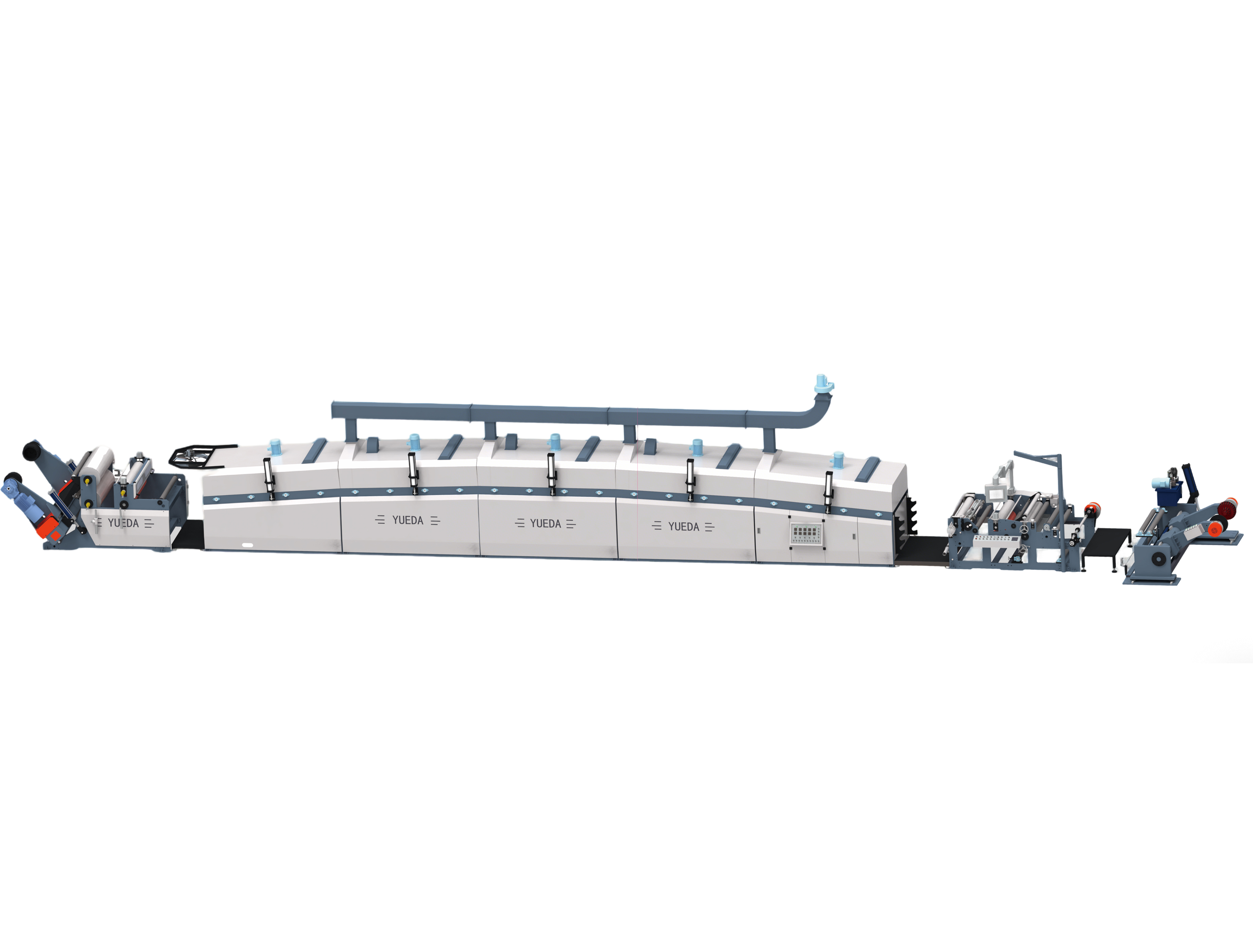
Configuration describes the supplied arrangement and included functions. Recorded settings describe how an authorized operator used that arrangement during a particular run. Keep both in the trial file. An optional station shown in a photograph should not be treated as included in a quotation unless it is explicitly listed. Similarly, a setting used during the demonstration does not become a guaranteed production value merely because it appears in a screenshot or handwritten note.
The responsible operator should identify the settings considered relevant by the equipment and material instructions. Buyers can request a record, but should not prescribe unverified temperature, pressure, tension or application values based on another machine's demonstration. If a value changes during the run, attach the change to a new sample reference. Otherwise, a bundle of sheets collected throughout the demonstration may combine several conditions while appearing to represent one stable result. That makes later comparisons difficult and can lead different reviewers to reach contradictory conclusions.
Decide how samples will be identified, who will collect them and which stages will be retained. A simple naming convention can connect a material combination, a run reference and a collection point. Put the reference on a separate label or sample envelope where marking the sheet could affect later assessment. Make sure the identification survives handling and separation. A photograph of a labeled stack is helpful, but each subset should remain traceable if the stack is divided between the buyer, supplier and another evaluator.
Avoid selecting only the best-looking sheets for the final review. Agree in advance how the collection will represent the demonstrated conditions, including any clearly identified setup or adjustment samples. Keep those categories separate. A startup sheet may explain a process transition, while a sheet collected after an agreed operating condition was established may answer another question. The record should make that distinction visible without either disguising normal setup material as accepted output or presenting every setup observation as a production defect.
Appearance reviews become more consistent when the observers agree on lighting, viewing direction and the reference against which a sample is compared. Record whether the assessment is visual only or uses an agreed instrument. Note which face and area were examined, especially on metallic or reflective printed designs that look different when turned. Do not use a photograph with automatic camera adjustments as the sole basis for a decision about subtle gloss or color differences.
Describe observations rather than immediately assigning causes. A visible bubble, streak, crease or local variation is an observation; a conclusion about adhesive preparation, material surface or machine adjustment requires additional evidence. Mark the location on a copy or use a diagram linked to the sample. If different reviewers disagree, retain their descriptions and repeat the agreed observation method together. Replacing several distinct observations with a general comment such as poor quality makes troubleshooting less precise and removes information that may be needed by the material specialist.
A surface can look satisfactory while its bond behavior remains unevaluated. Agree on the assessment method, sample preparation, timing and reporting format before interpreting a bond result. Where a recognized test is required by a purchase specification or the customer's application, use the actual method and the appropriate qualified support. Do not relabel an informal hand check as a standardized test or transfer a result from another laminate construction to the current combination.
Record the stage at which the observation was made. An immediate check after processing and a later check after the material supplier's specified period may answer different questions. Identify the sample and conditions for each. If a reviewer separates layers by hand, describe that as an informal observation and preserve the visible outcome without inventing a numerical strength. The purpose is to keep evidence honest and useful. It is not to turn every workshop demonstration into a laboratory report or to claim a certification that has not been obtained.
A laminate is usually purchased for what happens after the lamination operation. Confirm which later processes matter to the intended packaging component and arrange an appropriate assessment using the identified trial material. A fold, trim or other converting operation may reveal a concern that was not apparent on an unprocessed sheet. However, the observation must remain connected to the specific material, method and timing used for that downstream check.
When another company performs the downstream evaluation, send clear sample references and request the returned observations in the same reference system. Ask whether the evaluator changed any relevant preparation or processing condition. An unexplained favorable result is difficult to reproduce, just as an unexplained unfavorable result is difficult to investigate. Keep the original trial samples alongside the converted pieces where practical. That allows reviewers to compare what changed during the later operation without relying on memory or disconnected photographs.
A comparison table should show the common conditions and the deliberate differences between runs. If both the film and adhesive changed, the resulting difference cannot be attributed to the machine setting alone. Mark all known changes, including those that occurred unintentionally. When the trial is intended to compare one variable, ask the responsible specialists whether the remaining conditions can be kept sufficiently consistent for that question. Sometimes a combination must be assessed as a complete system instead of isolating one element.
Do not average away meaningful differences between sample groups. If one material batch behaves differently, retain its separate identity and investigate the cause before combining the result with another batch. A purchasing decision may depend on that variability. Also record uncertainty about conditions that were not monitored. A table with explicit gaps is more credible than a perfectly filled document created from assumptions after the demonstration. The comparison should help the team choose its next question, rather than simply produce a winner in a presentation.
Consider an illustrative packaging buyer reviewing two film options for one printed board reference. These are fictional sample references, not results from a Yueda customer. The buyer calls the substrate S-A, the films F-A and F-B and the agreed adhesive A-A. Each trial receives its own run reference, with the operator's authorized process notes attached. The buyer keeps separate sample envelopes for visual review and for a later converting check. No performance figure or acceptance limit is assumed in this example.
If the second run also uses a different adhesive, the buyer changes the record to show that difference instead of describing the exercise as a film-only comparison. If a later observation raises a concern near a fold, the team records the sample identity, the location and the downstream evaluation conditions. It does not immediately decide that the machine caused the issue. This structure makes follow-up questions specific: which combination was used, what changed and what evidence is needed to distinguish the plausible explanations?
After the trial, separate the equipment questions from the material and sample questions. Equipment clarifications may concern the exact offered configuration, included documentation or the responsibilities for a later acceptance exercise. Material clarifications may concern the confirmed combination and its evaluation instructions. Sample clarifications may concern missing identities or an observation that must be repeated. Assign an owner to each question and state what kind of evidence would close it.
Use the resulting list when discussing an order with Wenzhou Yueda Packaging Machinery. Attach the reviewed material register, sample references and agreed observation methods to the relevant purchasing documents where both parties consider them appropriate. Do not assume that a discussion, demonstration or informal message automatically changes a commercial specification. Resolve the final wording through the normal quotation and order review. The value of the trial record is that the technical conversation remains traceable as it moves toward a purchasing decision.
A sample can change between the demonstration and the purchasing meeting. Record how the retained material was stored, how it was protected during transport and whether its condition was different when it was examined again. Use the material supplier's actual instructions where these apply. Do not invent a universal storage temperature or waiting period. If a sample arrives with visible transit damage, identify that observation before using it to judge the process that produced the sample.

Keep samples from different review stages separate. A sheet examined immediately after the run should not later be described as an untouched retained reference if it has been folded, separated or repeatedly handled. Label the purpose of each retained group and document any change that may affect interpretation. This small discipline helps prevent an evaluation team from comparing a fresh sheet with a heavily handled reference and attributing every difference to the machine or material combination.
Trials often generate suggestions about an alternative film, a different visual finish or a change in the packaging construction. Record a suggestion as a proposal until the authorized buyer has reviewed its consequences. The person watching a machine demonstration may not have authority to approve a change to the packaging artwork, material specification or commercial order. A clear approval path prevents a useful exploratory trial from accidentally becoming an undocumented change to the product brief.
For each proposed deviation, identify the original requirement, the suggested alternative and the evidence still needed. Include downstream and purchasing implications that are known, and leave uncertain implications open for review. Do not let a favorable demonstration erase the distinction between the originally requested construction and a substitute. When a deviation is accepted, keep the earlier reference and the accepted replacement linked so that later reviewers can understand why the final choice differs from the initial inquiry.
A repeat demonstration should have a stated purpose. If the first review lacked clear sample identities, improve the identification method before repeating the same run. If an appearance concern was not assessed consistently, agree on the observation conditions first. If the material combination was uncertain, ask the responsible suppliers to resolve that information gap. Repetition without a revised question can produce more samples while leaving the original purchasing uncertainty unchanged.
Define the evidence that would allow the team to close the question or narrow it further. The next step may be a documented material review, another controlled comparison or an application-specific evaluation by an appropriate party. It is not always another machine run. Keep the decision proportionate to the potential cost of an incorrect assumption. A clearly bounded follow-up helps avoid spending time on a large demonstration that cannot answer the specific issue raised by the first set of samples.
Before closing the file, ask a colleague who did not attend the demonstration to locate one sample and explain what it represents using only the record. They should be able to find the material identities, the run reference, the relevant observations and the unanswered questions. This is a useful check on the clarity of the documentation. It does not validate the underlying process, but it reveals missing links that are easy to overlook when everyone in the room remembers the demonstration.
Store the reviewed records and agreed physical references in a way that supports later retrieval. Keep changes dated and preserve the superseded version when a correction matters to interpretation. A future quotation review should not depend on one person's phone gallery or memory of an informal conversation. The final handover should make it clear which evidence supports the current proposal and which parts of the intended packaging application still require confirmation.
Can a buyer compare two machines using supplier-made samples? The samples can help compare appearance and discuss the proposed process, but only to the extent that their materials and conditions are identified. They cannot prove a result for the buyer's untested construction. Ask what each sample represents and arrange a trial with the intended materials when that evidence is necessary. Keep the distinction between an example from a supplier's range and a sample produced for the current evaluation.
Should every visible mark lead to rejection? That depends on the agreed packaging requirements and observation method. Record the mark, its location and the sample identity before deciding whether it falls outside the agreed criteria. Some observations may require a repeat assessment or specialist investigation. Avoid accepting or rejecting a whole process on the basis of one unlabeled photograph, especially when reflective surfaces, lighting changes or unknown handling conditions could affect what the reviewer sees.
Does an attractive laminate prove adhesive compatibility? Appearance approval and compatibility assessment are different questions. The relevant material suppliers and application requirements determine what further evidence is needed. A visual review should not be presented as proof of an unperformed bond, durability or application-specific assessment. State which checks were completed, which remain open and who is responsible for the next evaluation before treating a trial as fully reviewed.
What should remain in the final trial file? Keep the material register, process identity, offered configuration, run notes, sample identification map, observation methods, results and unresolved questions. Retain the physical references agreed for future discussion. A clear file makes a later repeat trial more efficient because it preserves both the result and its limits. It also gives purchasing, production and quality teams a common record instead of three different accounts of the same demonstration.
Contact: Peter Chen/Jack Chen
Mail : peterchen@yuedamachine.com
Cellphone: +86 18767458866/ +86 19857780001
Address: Building 2, No. 1333 Times Avenue, Longgang City,Wenzhou City, Zhejiang Province China
Copyright © 2026 Wenzhou Yueda Packaging Machinery Co., Ltd. All Rights Reserved.
SitemapThis website uses cookies to ensure you get the best experience on our website.
 Español
 Portugues
 Indonesia
 Tiếng Việt



 Phone
 E-mail
Comment
(0)