

An Automatic Paper Sheeter can be considered as part of a production schedule, rather than as an isolated cutting operation. A packaging converter may need a long repeat order in the morning, a small replacement batch later, and several sheet formats for different downstream processes. Those requests compete for material, preparation time, inspection attention and space around the machine. A useful purchasing discussion therefore starts with the work that must move through the department. This guide explains how to describe that work, compare scheduling assumptions and prepare a practical trial without turning a catalogue speed or a demonstration into an unsupported promise of daily output.
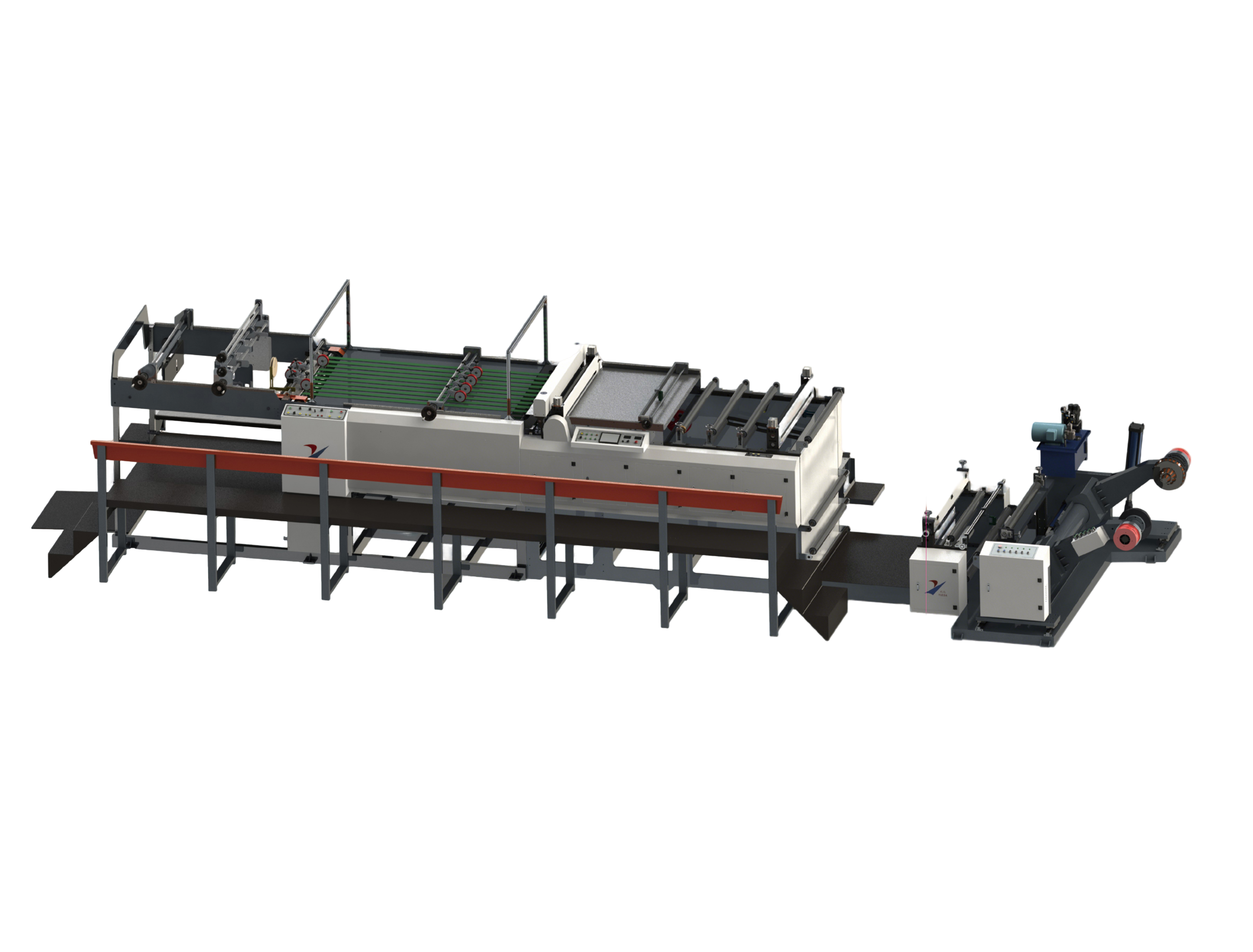
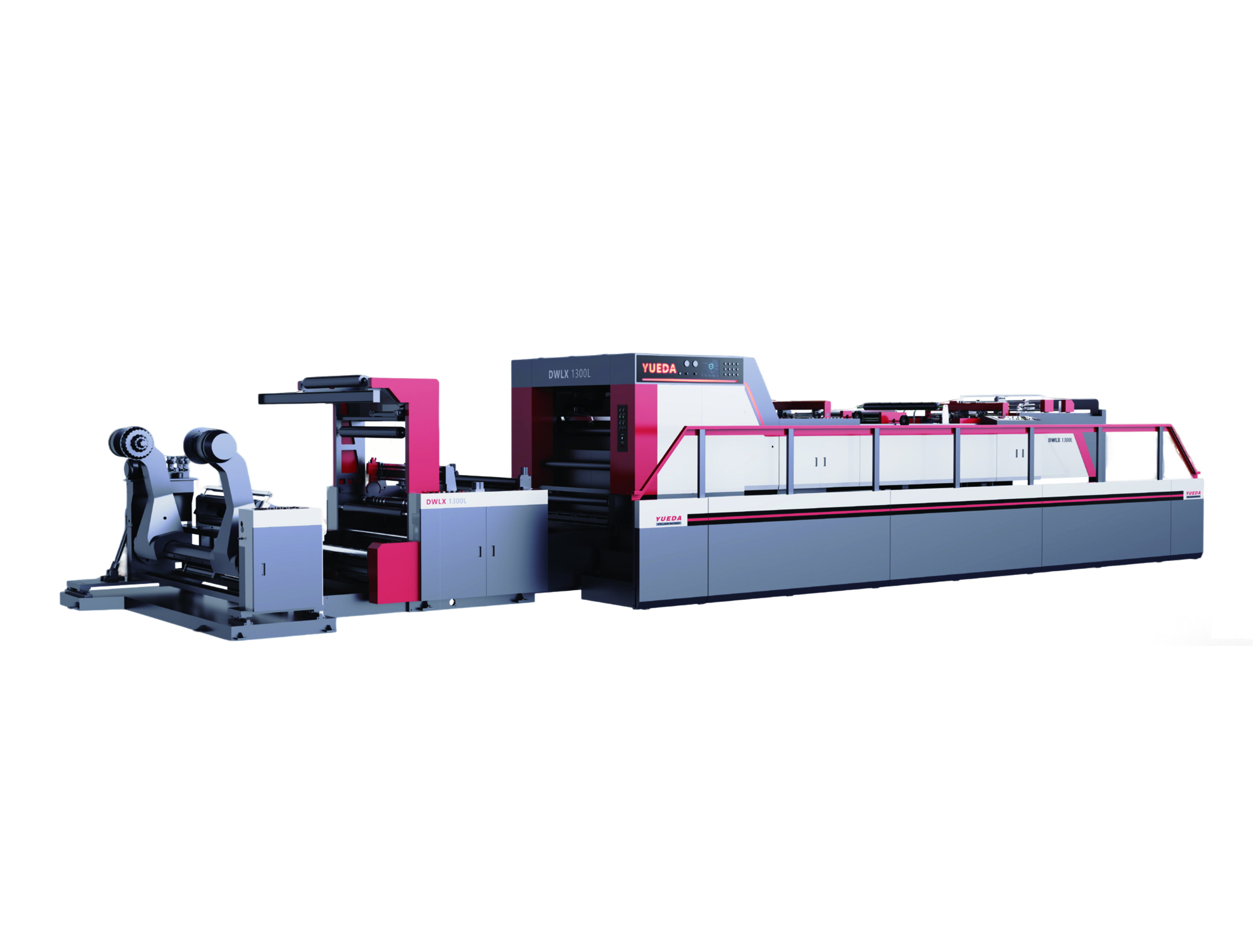
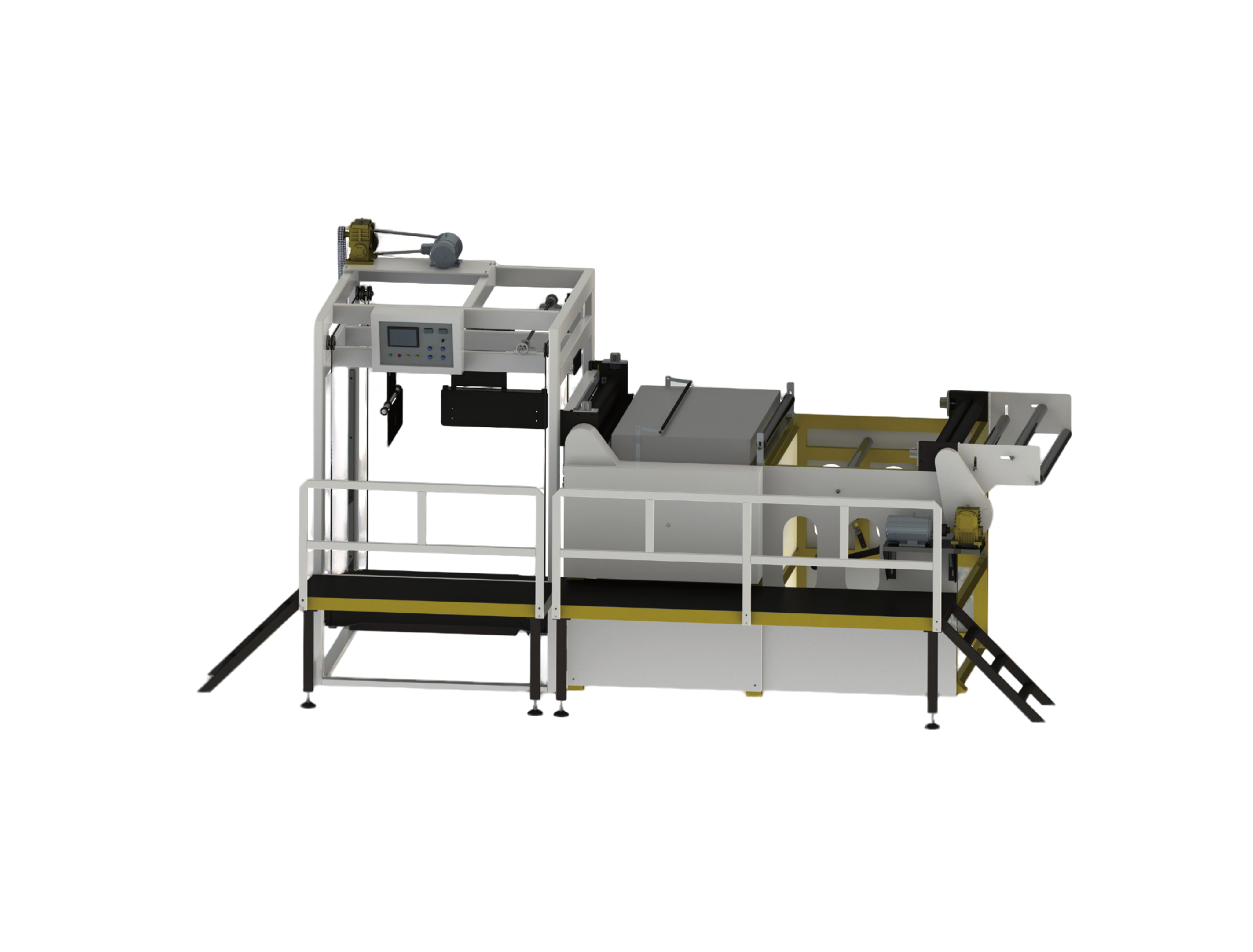
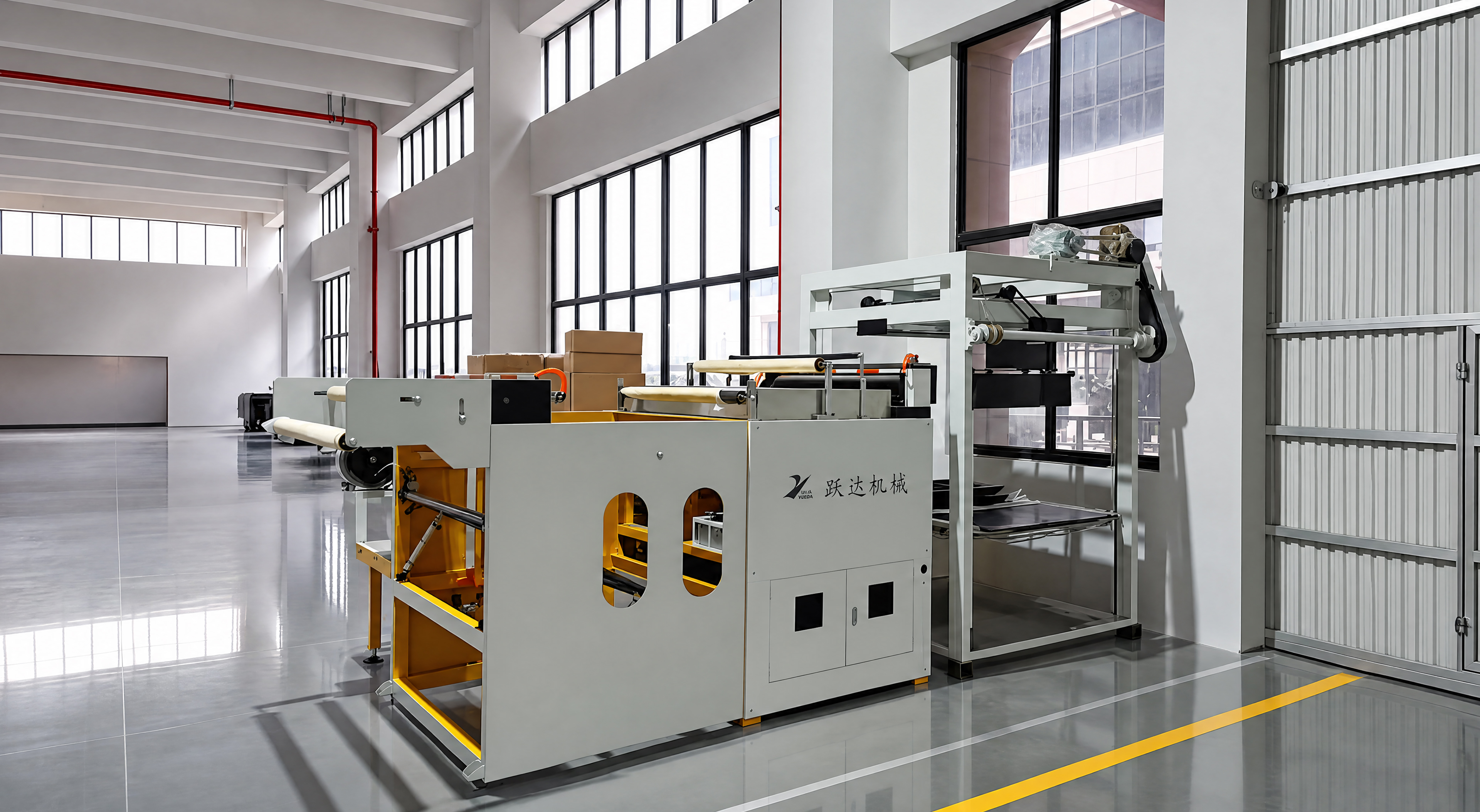
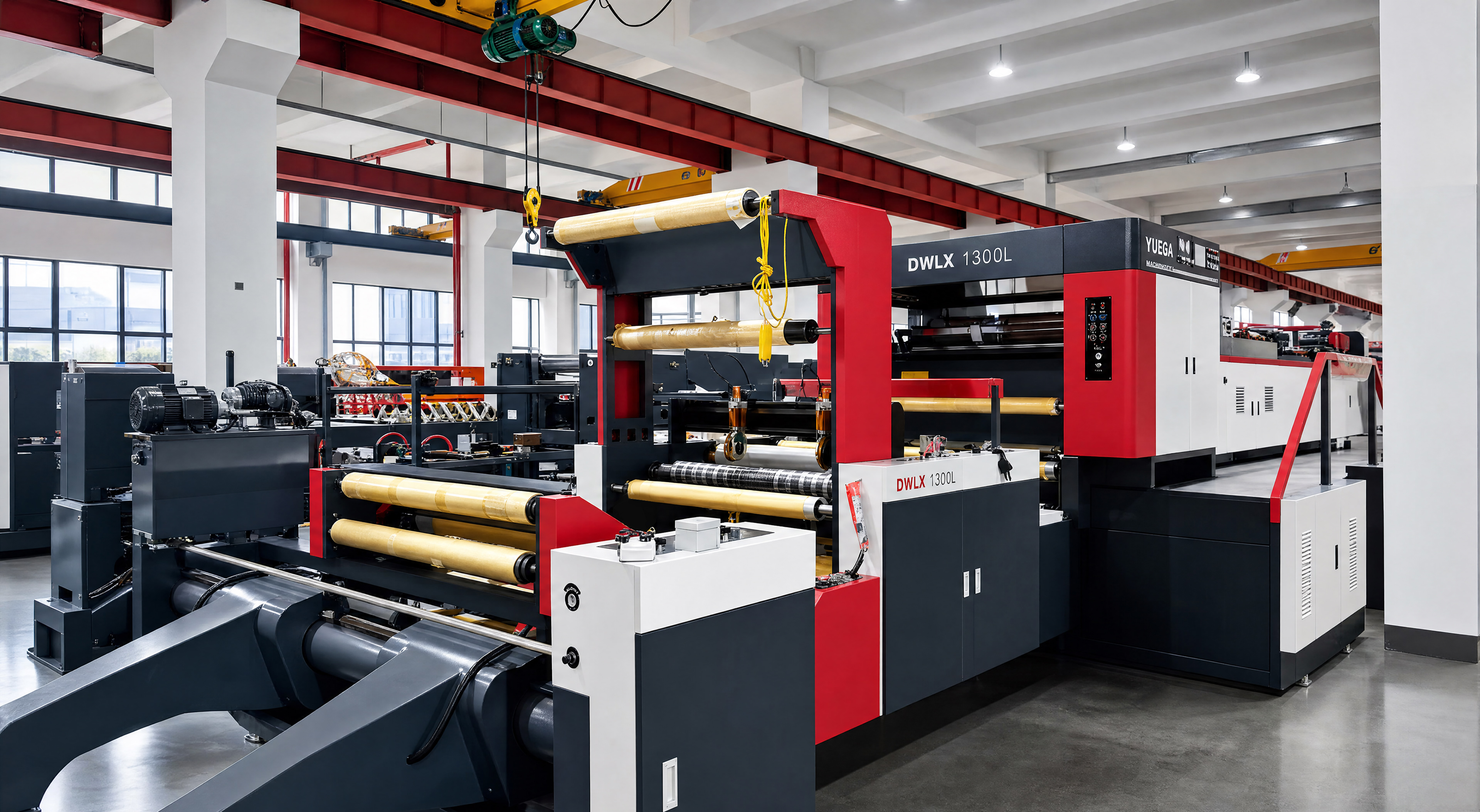
Yueda's published product range includes paper sheeting equipment with different layouts, alongside other paper converting machinery. The photographs in this article show examples of those products and the workshop; they do not establish a common specification for every model. Buyers should identify the exact configuration being discussed before assigning a job to it. In particular, a planning worksheet should distinguish required sheet dimensions, the supplied roll specification, material identity, order quantity and downstream acceptance. Keeping those items separate makes it easier to ask which requirements are confirmed, which need a trial and which remain outside the proposed machine's documented scope.
Collect a sample of actual jobs from your own order history. Include ordinary repeat work, the smallest commercially important batches, awkward material changes and requests that commonly arrive late. For each job, record the required number of accepted sheets and the date they are needed by the next process. An order for sheets is different from an order for finished cartons, so make the conversion basis explicit. If the available history only gives finished product quantities, ask production to establish the corresponding sheet requirement. Do not quietly substitute gross sheet movement for accepted saleable output when describing the workload to a prospective equipment supplier.
A representative mix should show variation instead of presenting only the easiest average job. Two orders with the same sheet quantity may need different preparation because their roll stock, cut length, identification or inspection requirements differ. Conversely, several customer orders may share a sheet specification and offer an opportunity for coordinated preparation. Describe both possibilities without assuming they can always be combined. Commercial ownership, material traceability and delivery priorities may require separate lots. The purpose of the job mix is to reveal decisions the production team actually makes, not to manufacture an impressive utilization figure before the proposed machine and materials have been evaluated.
Build the first schedule from activities: material release, roll staging, approved setup, initial sheet inspection, production, stack identification and transfer. Add the people or department responsible for each activity. This exposes tasks that occur away from the sheeter but still delay its next job. For example, a roll may physically be nearby while its material identity remains unresolved, or a completed stack may have no available transfer location. A worksheet that records only cutting time hides those constraints. Use the machine supplier's documented operating and safety instructions for actual machine work; a scheduling guide is not a substitute for authorized operator training.
Record elapsed time and active machine time in separate columns during a trial. Waiting for an inspector is elapsed time, but it should not be attributed automatically to the cutting mechanism. A genuine machine stoppage should likewise remain visible instead of being absorbed into a broad allowance. The distinction helps a buyer discuss the correct remedy: clearer release authority, better staging, a revised job sequence or a different equipment configuration. It also prevents a misleading comparison in which one demonstration includes preparation and another starts with a fully prepared roll. Comparable boundaries matter more than a polished summary of one unusually smooth run.
Material families can provide a starting point for sequencing, but their definitions need evidence. Record the stock identification used by your purchasing and production teams, including the supplier's declared grade and any relevant finish. Keep measured dimensions and declared material properties distinct. A similar colour does not establish identical stiffness, surface condition or cutting behaviour. If the business handles both paper and board, ask which exact grades and constructions the proposed model is documented to process. Do not transfer an answer from one sample to every material sold under a broad commercial name. Unconfirmed combinations belong on the trial list rather than the approved schedule.
Retain a small material history beside the job record. Note whether the roll is newly received, partly used, reserved for a customer or awaiting investigation. These distinctions can affect availability even when two rolls carry the same nominal description. If a planner proposes using a partly consumed roll for a short run, the team must first verify its identity, condition and usable quantity through the customer's established process. The scheduling benefit is a possibility to evaluate, not a universal recommendation to consume remnants. A traceable full roll may be the better choice when the alternative would create uncertainty or jeopardize an important order.
A short job can carry a substantial preparation burden relative to its production quantity. List the changes between consecutive jobs instead of applying the same hidden setup allowance everywhere. Changes may involve material release, sheet format, identification, inspection requirements or the approved configuration. Ask the supplier to explain which changes apply to the specific machine and how trained operators perform them under its instructions. A buyer does not need an invented universal changeover duration. The useful information is a clear description of the work, the conditions under which it was observed and the aspects that still require verification with the intended stock.
Do not confuse a stored setting, if offered on the selected configuration, with a fully released repeat job. A repeat order can still require confirmation of roll identity, current specification, downstream needs and the condition of the initial sheets. Ask what any recipe or memory feature actually stores and which checks remain the operator's responsibility. If that feature is not documented for the offered machine, keep it out of the planning model. The purchasing decision should compare confirmed functions and observed workflow, while the production procedure should define how an old order becomes a current authorized job rather than merely reusing an old name.
One possible rule is to group compatible jobs by material and sheet requirements while protecting agreed delivery priorities. Another is to reserve capacity for time-sensitive work and place longer repeat runs around it. Neither rule is universally best. Test the proposed sequence against your own job mix and identify which orders would wait longer. A plan that reduces visible changes can still harm delivery if it leaves an urgent small batch behind several large orders. Ask the planner to explain the chosen tradeoff in plain language. The schedule should show why a job occupies its position and who can approve a departure from that order.
Consider a hypothetical day with a repeat sheet order, a small remake and an unreleased new format. The remake may share stock with the repeat order, while the new format may need a separate sample review. It can be sensible to prepare the shared material together, but that does not make the new format ready. Keep its release decision separate and avoid scheduling it as confirmed production simply because a slot is available. This example is a planning illustration, not a Yueda output case or a guarantee of savings. Its value lies in making dependencies visible before the production team commits a delivery date.
Urgent orders need an entry rule, not an informal instruction to interrupt whatever is running. Record the required accepted quantity, latest downstream handoff, available material and reason for urgency. Ask which current job would move if the request is accepted. The person approving the change should see that consequence before the sequence is revised. Without this discipline, every department can describe its own request as exceptional while the sheeter team absorbs all the disruption. A transparent entry process also gives sales a more defensible explanation when a requested deadline cannot be confirmed with the material and production resources currently available.
Reserve space in the planning process for uncertainty without inventing a fixed spare-capacity percentage. Your own records can reveal how often urgent work appears and how much of it is genuinely unpredictable. Some apparent emergencies may originate from late specification approval or incomplete material release. Addressing those causes may be more useful than purchasing capacity to accommodate recurring administrative delays. When considering equipment, ask how the proposed configuration would handle the relevant job transitions and how those transitions could be demonstrated. A supplier can help clarify machine-dependent work; the buyer must still decide which commercial interruptions the production system should accept.
Define the release point for the first acceptable sheets before the trial begins. State who compares them with the order and what characteristics the receiving process requires. Dimensions, orientation, appearance, count and identification may all matter, but their acceptance criteria must come from the customer's approved specification. Keep an initial sample review distinct from ongoing checks during production. A schedule that assumes instant inspection can appear feasible on paper while repeatedly waiting for someone to make a decision. Include that responsibility in the route, especially when the same inspector also supports other machines or departments during a busy shift.
When an initial sample is rejected, record the reason and the disposition of the affected material. Separate a wrong order instruction from an observed machine issue or a stock condition that needs investigation. These distinctions support useful supplier communication and avoid drawing conclusions from incomplete evidence. A purchasing trial should preserve representative sheets and associated records where practical, using the buyer's normal identification method. Ask how the proposed equipment supports the required workflow, but do not treat a photograph of a clean stack as proof of dimensional consistency, accepted quantity or performance across every order in the planned job mix.
Use an agreed counting basis. Required accepted sheets, gross produced sheets, trial samples, rejects and remaining work should not occupy the same undifferentiated quantity field. A long run may generate many sheets while still leaving a shortage in a specific accepted lot. Similarly, a short run can be complete even though its gross count is small relative to a headline machine figure. Ask the supplier what a displayed counter represents on the offered configuration and verify how the buyer will reconcile it with accepted output. Do not assume that a counter automatically knows the commercial disposition of every sheet that has passed through the equipment.
Translate only verified observations into planning assumptions. If a trial is timed, note the material, format, operating conditions, quantity basis and included activities. Keep the observed result separate from a supplier's rated specification and from the buyer's eventual production target. All three may be useful, but they answer different questions. Avoid projecting one observed period across a full day without accounting for the rest of the route. A purchasing discussion becomes stronger when both parties can see the assumptions and revise them openly, rather than defending a single daily output number whose calculation and practical boundaries are unclear.
The schedule should identify where each completed lot goes. A sheeter can finish a job while printing, finishing or another receiving process is not yet ready. Record the designated staging location and the person authorized to release the transfer. Keep customer orders, material lots and sheet orientations identifiable according to the buyer's established controls. These are organizational requirements, not claims about a particular machine's automatic handling functions. Discuss the physical output arrangement with the supplier using the proposed layout and actual transfer equipment. Confirm clearances and safe handling requirements through the appropriate site and equipment documentation rather than estimating them from a product photograph.
Ask the receiving department which handoff information it needs to avoid rechecking an entire stack. The answer may include the order reference, approved sheet specification, accepted quantity and a release status. A short, consistent label can be more useful than an extensive form that nobody completes. If downstream staff find an issue, their report should link back to the same job record so the planner knows whether more sheets are needed. This closes the scheduling loop: completion is not merely a machine stop, but an identified quantity delivered into an agreed receiving route with unresolved issues visible to the responsible people.

Select a manageable trial sequence from the representative job mix. Include a meaningful transition as well as a steady production period. A buyer comparing short-run suitability needs evidence about preparation and release, not only a video showing continuous sheet delivery. Agree in advance which stock, format and inspection procedure will be used, and identify any differences from normal production. If the exact intended material is unavailable, state that limitation. The demonstration may still answer a useful question, but it should not be recorded as a complete validation of a material or workflow that was not actually present during the observed run.
Have one observer maintain a simple event record while the trained team operates the machine. Note the start and finish boundaries, waiting reasons, sample decisions and the point at which the next job becomes ready. Avoid distracting operators or asking them to depart from documented safe procedures for the sake of a faster result. Review the event record with the supplier after the sequence ends. Where an activity was omitted, identify it explicitly and decide whether another observation is needed. The goal is a shared understanding of the proposed production route, with enough detail to expose gaps before the buyer builds a commercial plan around it.
A repeat job creates an opportunity to compare like with like over time. Preserve the approved specification, material identity, configuration reference and accepted output basis. Record meaningful changes rather than assuming each repeat is identical. A new material supplier, revised format or changed downstream requirement can make an old timing assumption inappropriate. The planner should know when a job belongs to a proven family and when it needs renewed review. This keeps the schedule useful as the business evolves and reduces the temptation to blame the equipment for delays that actually began with an unrecorded change elsewhere in the order process.
Use the history to improve the accuracy of future planning, not to create a competition for the fastest isolated run. Compare similar jobs with comparable boundaries and examine unusual delays separately. If a recurring preparation step consistently takes longer than expected, investigate whether the assumption or the workflow needs revision. If a model-specific issue is suspected, share the exact job and material evidence with the supplier. Broad descriptions such as slow changeover or poor output are difficult to diagnose. A concise record of what was requested, what happened and what remains uncertain makes both scheduling and technical support discussions more productive.
Can several short customer orders be combined into one run? Sometimes their confirmed sheet and material requirements may allow coordinated production, but the buyer must also preserve lot identity, quantity allocation and delivery priorities. Matching nominal dimensions alone is insufficient. Check whether the material grade, finish, orientation and acceptance requirements also match. Determine how the resulting stacks will be separated and released before authorizing a combined sequence. If the identification or allocation method is unclear, the apparent reduction in setup work can create a more expensive downstream problem. Treat combination as an approved planning decision with a clear record, not an automatic feature of every repeat job.
Should the largest order always run first? Size is only one input. A smaller order may protect an earlier downstream deadline, while a large order may use material that is not yet released. The best sequence depends on the buyer's actual constraints and priorities. Compare the consequences of alternative sequences and record the chosen rule. Do not assume that the most continuous machine movement produces the best overall delivery result. Where a commercial priority overrides efficient grouping, make that tradeoff visible so subsequent performance reviews do not judge the team against a sequence it was instructed not to follow.
How much time should be allowed for a material change? There is no reliable universal answer for every automatic paper sheeter, material and site procedure. Ask for the model-specific work involved, observe a representative transition and document the boundary used for timing. Include release and inspection tasks when evaluating the complete route, while keeping their ownership separate from machine actions. A supplier's estimate can be an initial discussion point, but it should remain labelled as an estimate until the relevant conditions have been checked. Revise the planning assumption when the buyer's actual experience provides better evidence rather than preserving an attractive but inaccurate number.
Does a higher rated speed solve a mixed-job schedule? It may affect one part of production, but it does not by itself resolve unavailable rolls, incomplete instructions, inspection queues or blocked transfers. Evaluate how much of the proposed schedule is spent in the activity that the specification actually describes. Confirm the rating's applicable conditions for the selected model. Then review preparation, accepted output and downstream flow alongside it. This approach neither dismisses speed nor treats it as a complete business result. It connects a machine characteristic to the workload the buyer needs to deliver, using a calculation that the buyer can explain and update.
What should be sent to Yueda when discussing a sheeter purchase? Provide the intended stock descriptions, roll data, required sheet formats, representative order quantities and the downstream use. Add a short account of job changes and the particular scheduling difficulty you want to investigate. Ask which model and configuration are appropriate for that scope, which requirements are documented and which should be demonstrated with samples. Do not include unconfirmed values as fixed requirements unless they are clearly labelled for discussion. A focused enquiry helps both parties prepare a useful response and keeps the comparison grounded in the production route rather than an unrelated catalogue example.
A practical schedule is a maintained working agreement between purchasing, planning, operators, inspection and the receiving department. Start with a realistic job mix, define release boundaries, preserve honest quantities and measure representative transitions. Use the findings to refine assumptions before committing equipment to a commercial delivery plan. The result should be a clearer set of questions and records, not an invented output guarantee. When requesting an automatic paper sheeter proposal, bring the difficult jobs and unresolved conditions into the conversation early. They are often the most valuable part of understanding whether a proposed configuration fits the way your packaging business actually works.
Contact: Peter Chen/Jack Chen
Mail : peterchen@yuedamachine.com
Cellphone: +86 18767458866/ +86 19857780001
Address: Building 2, No. 1333 Times Avenue, Longgang City,Wenzhou City, Zhejiang Province China
Copyright © 2026 Wenzhou Yueda Packaging Machinery Co., Ltd. All Rights Reserved.
SitemapThis website uses cookies to ensure you get the best experience on our website.
 Español
 Portugues
 Indonesia
 Tiếng Việt



 Phone
 E-mail
Comment
(0)