

A Double Rotary Knife Sheeter enquiry becomes more useful when the buyer defines the sheet that the next production stage must receive. Length and width are only part of that description. Grain orientation, corner geometry, edge appearance, surface condition and stack presentation can all matter to a converter. These requirements should be discussed as separate acceptance items, with a clear method of checking each one. A single statement that the machine must cut accurately leaves too much of the purchasing decision open to interpretation.
This guide explains how to prepare and review a sheeting trial around those output requirements. It is intended for purchasing, production planning and quality discussions. It does not prescribe knife adjustment, machine settings or access to moving equipment. Operating and maintenance decisions require the instructions for the actual machine configuration and appropriately trained personnel. The aim here is to make sample evidence understandable and comparable before an equipment order is accepted.
Start by naming the next process. Sheets intended for printing, folding, lamination, further cutting or manual assembly may be reviewed differently. Explain how the receiving process identifies the leading edge, how the sheet is loaded and which surface is visible. If the buyer uses more than one downstream route, keep those routes separate in the brief rather than describing one average requirement that represents none of them clearly.
Ask the downstream team which characteristics they actually need to control. An issue that looks minor on a trial table may interfere with the way the sheets are presented to another machine. Conversely, a visual difference that has no effect on the intended application should not automatically become an undefined rejection criterion. Connecting each requirement to its purpose helps the buyer agree a proportionate evaluation plan and gives the supplier a clearer explanation of the job.
Use the actual material reference, not only a general description such as white paper or packaging board. Record the grade, nominal grammage or thickness, supplier identification where available, and any coating, printing or other surface treatment. These details identify the material that the buyer wants to sheet; they do not establish that every material within a broad category will behave in the same way.
If several materials are planned, identify representative jobs and the difficult cases separately. Send samples with references attached, and keep those references in the trial record. A successful result with one grade should be described as evidence for that grade under the conditions reviewed. It should not silently become approval for all future paper, board or laminated stock. Changes in the proposed material range need a corresponding technical discussion and, where appropriate, another trial.
Grain direction concerns the orientation of the paper structure, while length and width describe the finished sheet geometry. These are related purchasing questions but are not the same specification. Ask the material supplier to identify grain direction for the submitted stock, and show the required orientation on the finished-sheet drawing. Do not assume that the longer dimension automatically describes the grain requirement.
Use an arrow and a written note on the drawing so that different departments can interpret it consistently. Also identify the intended leading edge for the receiving process. When a sample is rotated on a table, these references can be lost unless they are marked clearly. If the buyer's application has a specific folding, printing or other orientation requirement, obtain that requirement from the responsible production team rather than guessing it from a packaging photograph.
Agree what the words length, width, leading edge and trailing edge mean for the project. Use a labelled drawing instead of relying on how a sample happens to be positioned during a conversation. The same sheet can be described differently by a paper supplier, an equipment supplier and a printing department. A short definition avoids a quotation or trial report being accepted with the dimensions effectively reversed.
Show the measurement points and units. If the sheet includes an edge condition or a feature that makes a measurement difficult, ask how that feature should be treated. Keep the method practical and repeatable. The purchasing team should be able to understand how a reported value was obtained, without assuming that every number appearing in a document was measured in the same way or with the same equipment.
The required dimensional limits should come from the buyer's application and the written equipment proposal. This guide does not assign a universal cutting tolerance to a double rotary knife sheeter. Ask the supplier what can be committed to for the specified material, format and configuration, and identify the conditions attached to that commitment. A catalogue term such as precision does not by itself define an acceptance threshold.
Record whether a limit applies to an individual sheet, a sample set or another agreed basis. Also agree how results near a boundary will be reviewed, including the measurement method and instrument suitability. These details are important when two teams obtain slightly different readings from the same sample. A defined process for resolving that difference is more useful than treating an isolated reading as conclusive without knowing how it was produced.
Squareness describes the relationship between the edges and corners of the finished sheet. It should be reviewed separately from whether the nominal length and width are correct. A sheet can have an acceptable reading along one edge while still presenting a geometry concern elsewhere. Ask the supplier and the downstream team to agree a suitable way to assess the shape required by the application.
Comparing diagonals can be part of a geometry review, but one simple comparison should not be treated as proof of every aspect of sheet shape. The parties should identify the edges and corners being assessed and the method used. Use the same labelled orientation for retained samples and trial records. This makes it possible to discuss a recurring observation without losing track of which edge or position on the sheet was involved.
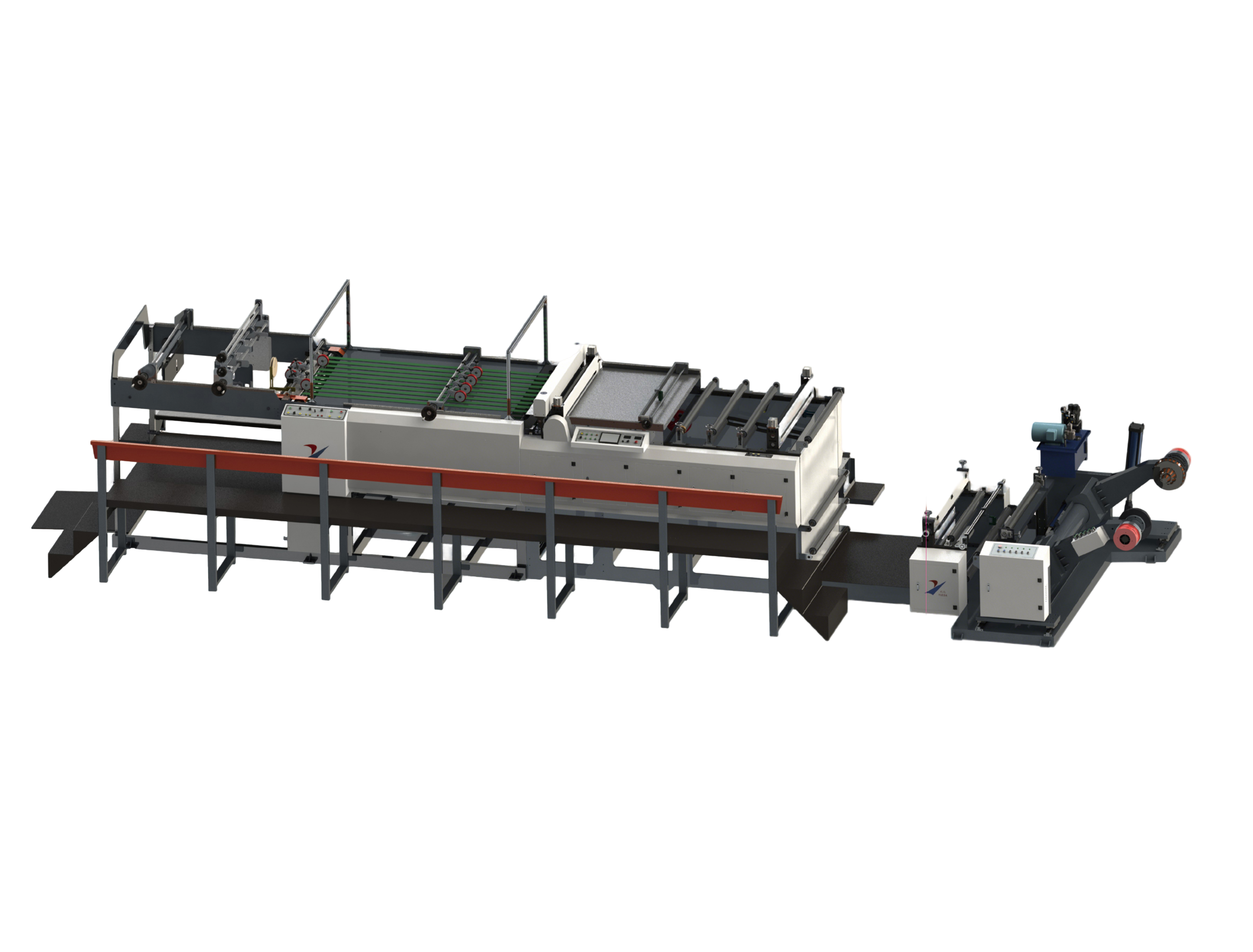
A neat-looking stack does not establish that every sheet meets the dimensional requirement. Equally, an untidy stack can make otherwise useful sheets difficult to handle. Evaluate individual sheet characteristics and stack presentation as separate items. This prevents a demonstration photograph of a tidy pile from replacing the measurement evidence that the purchasing decision actually requires.
Describe how the stack will be moved, identified and fed into the next process. Ask which receiving and stacking components are included in the proposed configuration, and which handling activities remain the buyer's responsibility. Keep requirements connected to the actual workflow. A stack intended for direct machine feeding may need a different review from sheets that will be separated and inspected manually before another operation.
For a roll-fed job, identify the submitted roll and the relevant supplied dimensions. The equipment discussion may require width, core reference, outside diameter and weight, along with the material description. Obtain the actual values from the responsible supplier or site record rather than estimating them from an image. Confirm which units the equipment supplier expects before comparing the roll with the proposed machine range.
Record any known condition of the submitted material that could affect the interpretation of a trial. The purpose is not to attribute a problem to the roll without evidence, but to preserve the context in which the output was produced. If a later trial uses a different roll or material batch, identify the change. A trial record is more useful when the input can be traced than when it only contains photographs of the finished stack.
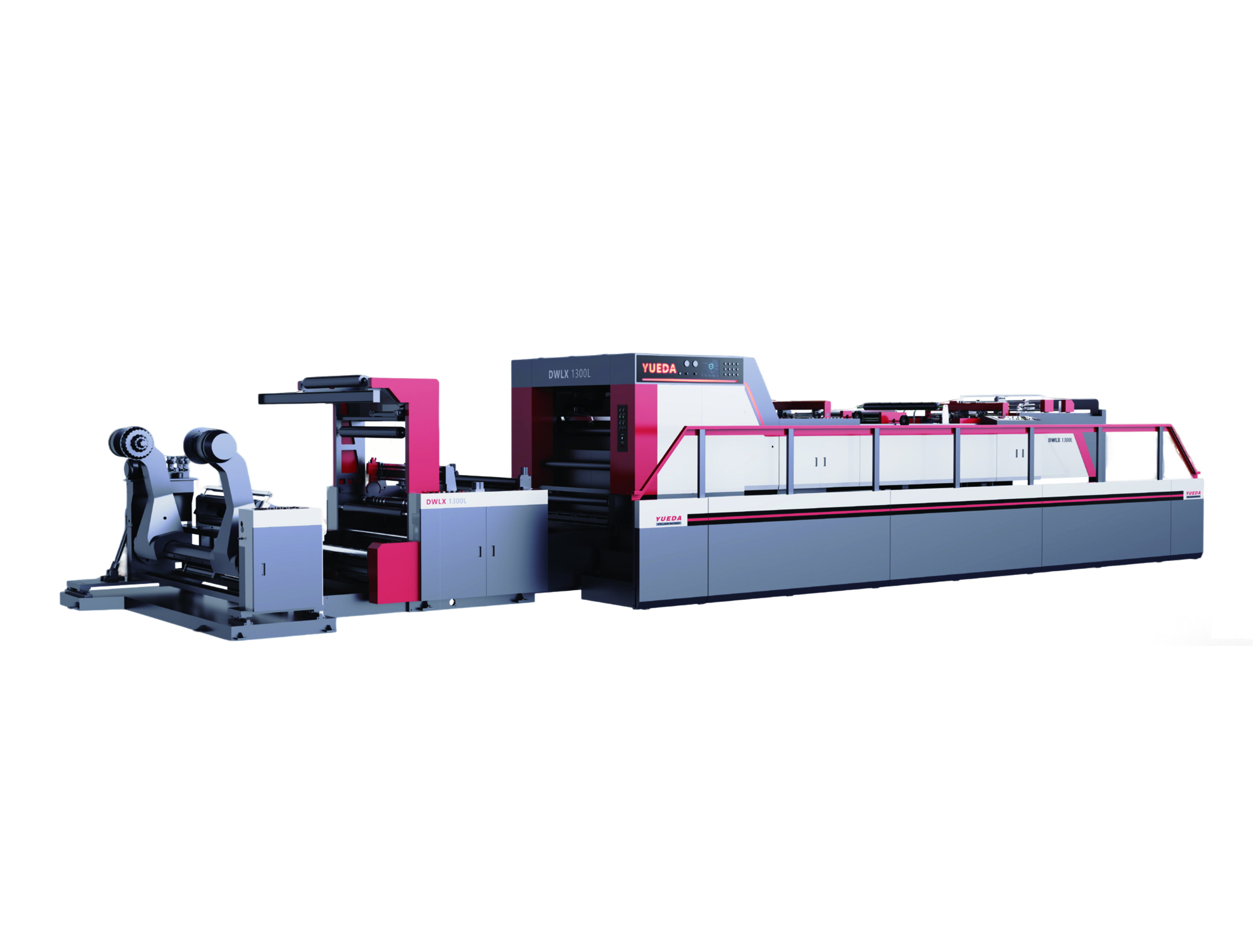
A product name identifies an equipment family, but the quotation should identify the actual configuration being supplied. Ask for the roles of the feeding, cutting, conveying, receiving and control components relevant to the proposal. Clarify what is included, what is optional and what requires a separate arrangement. This keeps a discussion of sheet quality connected to the equipment scope rather than to assumptions about a model name.
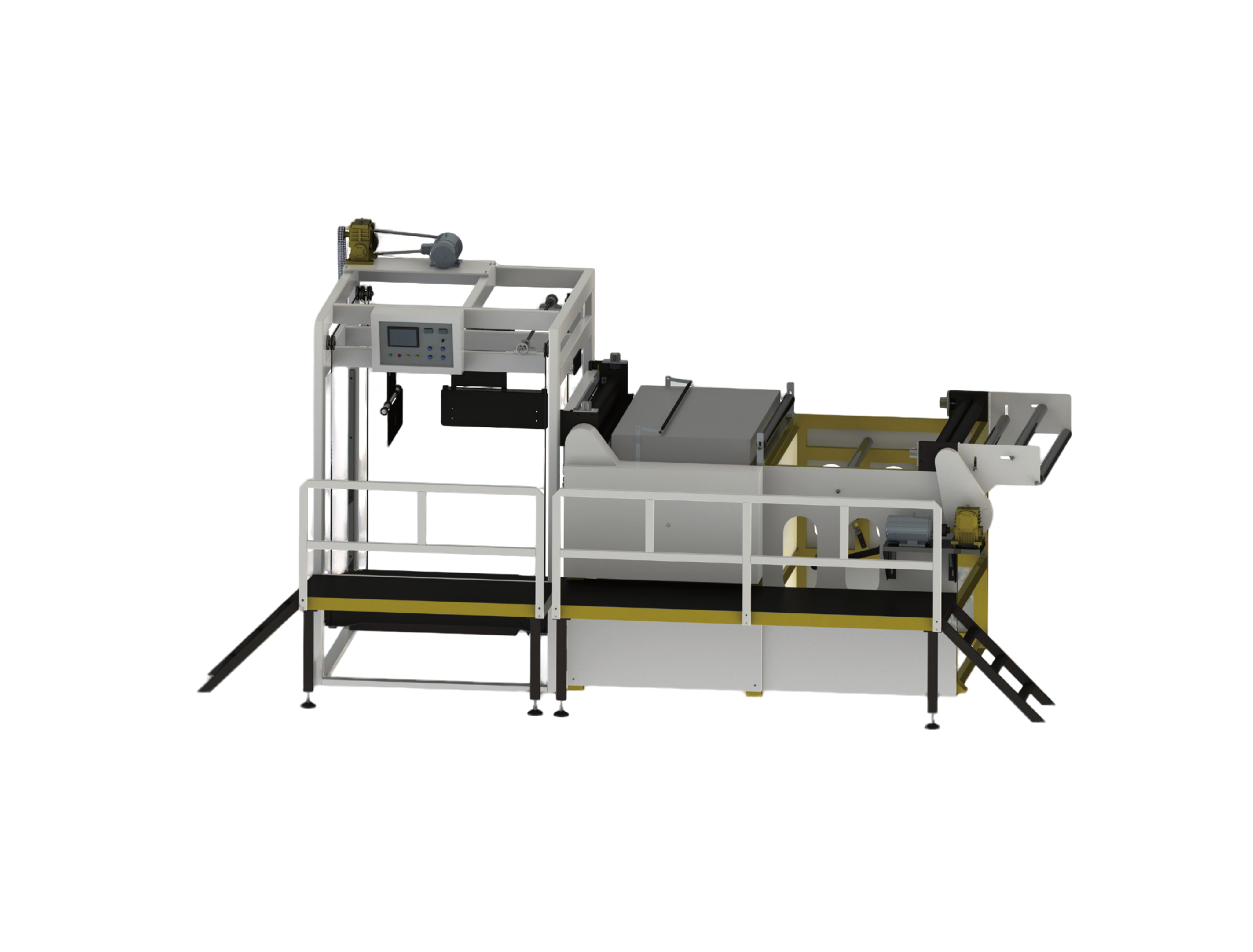
Yueda's published range includes double rotary sheet cutters, shaftless positioning sheeters and elevation-type transverse cutters. These are starting points for a configuration discussion, not a statement that every model shares the same material range or performance limits. Request the current specification for the shortlisted equipment and review it against the submitted job. Product images help identify an arrangement; material trials and written specifications answer different purchasing questions.
The trial plan should identify the material, finished formats, orientation, evaluation items and the people responsible for reviewing the results. State whether the exercise is exploratory or intended to support an acceptance decision. An exploratory demonstration can help narrow a configuration while leaving important questions open. Those questions should be recorded rather than being treated as satisfied because the demonstration produced a stack of sheets.
Agree how representative samples will be selected and retained. The selection should reflect the question being investigated, rather than simply choosing the most attractive sheets for a photograph. Where start-up, a stable portion of a run or a change between jobs matters to the buyer, discuss how those situations will be represented. The appropriate coverage and sample count should be agreed for the project instead of being invented as a universal rule.
Label retained samples with the material reference, format, orientation and trial identifier. Where relevant, include the sequence or collection point defined in the plan. The label should make it possible to connect the physical sample to the recorded observation without relying on a person's memory. Keep the visible face and leading edge identifiable when that distinction matters to the receiving process.
Use a sample list to show what was retained and where it is held. If samples are divided between buyer and supplier, agree how the sets correspond. Photographs can explain an observation, but they may not preserve a subtle edge or surface characteristic well enough for later comparison. Retained physical evidence and a clear written description can therefore play different roles in the approval package.
Describe the edge appearance in factual terms. Identify the location, whether the observation repeats and whether it affects the intended downstream operation. A purchasing record should distinguish visible observations from a proposed explanation. For example, a photograph can document an edge concern, but it does not by itself establish which machine component or material condition caused it.
Ask the equipment supplier to review the evidence through its supported technical process. Do not direct operators to alter knife relationships, tension or other settings using a general online checklist. Such changes require the actual operating and service instructions. Keeping the purchasing review focused on evidence helps the supplier investigate appropriately while avoiding unsupported adjustments based on a brief visual impression or advice intended for another machine.
Include surface condition if it matters to printing, appearance or subsequent conversion. Identify which side is being reviewed and the conditions under which marks are assessed. Agree a suitable reference or description so that the trial team can distinguish an unacceptable observation from normal variation for the chosen material. Avoid a general request for a flawless surface without defining what the intended use actually requires.
If a mark appears, retain a sample and note where it was observed. Do not infer the cause from the location alone. The review may need information about the input material, the equipment arrangement or later handling. These are separate questions to investigate. A documented observation gives the responsible specialists a starting point without turning an unverified explanation into an acceptance finding or a claim about the machine.
Ask the downstream team whether flatness or curl affects its process and how it should be evaluated. The review conditions and timing need to be clear because the purpose is to compare samples on a common basis. This guide does not prescribe a universal conditioning period or a flatness limit. Those requirements should be selected by the responsible technical parties for the material and intended application.
Keep the recorded material condition linked to the trial. If samples are stored, transported or reviewed under different conditions, note that difference instead of assuming the observations are directly equivalent. The purchasing team should understand what the evidence establishes and what remains uncertain. A concern identified after a later handling stage should be investigated with that context preserved rather than automatically attributed to the cutting operation.

Inspect how the output is presented for the buyer's next activity. Discuss stack identification, separation between jobs, access for handling and any supporting equipment needed at the receiving area. Clarify whether the proposed scope includes the relevant receiving arrangement or only the processing section. This helps prevent a practical handover requirement from being discovered after the main equipment configuration has already been approved.
Ask the site team to review the planned movement of materials around the line. The equipment layout and the buyer's handling process need to work together. Any lifting, access or site-safety requirement requires qualified review of the actual installation. A photograph showing a clear workshop aisle is not evidence that another site is ready for the same arrangement, so keep the installation responsibilities explicit in the project documents.
When possible within the agreed evaluation plan, review representative trial sheets through the intended downstream process. A flat-sheet inspection and a practical feeding or converting check answer different questions. Identify what was actually done, with which samples, and what remains untested. Do not describe the entire production route as accepted if only the first stage has been demonstrated.
Collect observations from the downstream team in the same labelled orientation used for the sheeting trial. This helps identify whether a concern relates to format, presentation, surface condition or another requirement. The result should be a clear record of the question and the evidence, rather than a general statement that the sheets ran well. Any conclusion about suitability should remain tied to the materials and process conditions that were actually reviewed.
A speed figure is not a substitute for an agreed output specification. Ask which material, format and machine arrangement support the figure stated in the proposal. Distinguish a mechanical range, a demonstration observation and a committed acceptance condition. These may be different pieces of information, and the purchasing team should understand which one is being used in its production estimate.
Also consider preparation, changeovers, inspection and handling when planning usable output. Their effect should be based on the buyer's order pattern and the actual proposed process, not a generic percentage added without evidence. A technically impressive demonstration may still leave practical scheduling questions unresolved. Comparing proposals against the same job matrix and quality requirements helps make the investment discussion more useful than comparing isolated maximum figures.
Give each observation a reference, a sample identity and a concise description. Separate the measured or visible result from the question that needs investigation and from the eventual decision. This allows buyer and supplier to discuss the same issue without repeatedly reinterpreting photographs or messages. Where a proposed correction changes the trial conditions, identify the change before comparing the next result.
Keep open items visible until the responsible person closes them. An observation may require another measurement, a different material sample or a downstream review. It should not disappear from the acceptance discussion simply because another part of the demonstration was satisfactory. A short, controlled log provides a useful bridge between the technical trial and the purchasing decision, particularly when several departments participate at different stages.

Track changes to material grade, roll dimensions, finished format, orientation and equipment configuration after a trial. Ask which changes require another review or sample. A retained sheet can only represent the combination from which it was produced. It should not be used as automatic approval for a materially different order simply because the equipment model remains the same.
Issue one consolidated final version of the brief. Include the relevant drawings, configuration, evaluation methods, results and remaining conditions of approval. If several people have commented, resolve contradictory instructions before the purchase is released. This makes it easier for the supplier to understand the accepted scope and for the buyer to assess later proposals or changes without relying on informal recollection of what happened during a visit.
Identify the measuring equipment and method used for each acceptance item. Ask the responsible quality team whether the instrument is suitable for the limit being assessed and what checks are needed before it is used. An instrument display can show a number without establishing that the measurement process is appropriate for the decision. Keep that suitability review separate from the supplier's statement about the machine's proposed performance.
Where buyer and supplier will assess corresponding samples independently, agree how differences between their results will be investigated. The review may need to consider sample identity, orientation, measurement points, instrument condition and the way the sheet is supported. Record those details before concluding that the measurements demonstrate a change in output. This helps the parties resolve an uncertain result using evidence instead of choosing whichever reading is more convenient to one side.
Also preserve the original observation rather than replacing it with a corrected conclusion. If a measurement is repeated because its method was unsuitable, label the later result and explain why it was obtained. A transparent record allows the purchasing team to distinguish a confirmed output concern from an issue in the evaluation process. It gives future reviewers a clearer account of what the trial established and why the final acceptance decision was made.
No single dimension answers every output question. The buyer should identify which length, width, geometry, orientation, surface and receiving requirements matter to the application. Each should have an agreed review method where it forms part of acceptance. A satisfactory result for one item does not demonstrate that all other items were checked. Use the complete project specification and retained evidence to support the decision.
A normal product photograph is not a reliable basis for assigning the grain requirement. Obtain the material information from the responsible supplier and mark the desired orientation on the drawing and sample record. If an orientation requirement is important to downstream conversion, have the relevant technical team confirm it. This prevents a convenient visual assumption from becoming an unintended purchasing instruction.
A neat stack documents presentation, but it does not replace the agreed dimensional and geometry checks on individual sheets. Evaluate both aspects where they matter to the buyer. The supplier should explain the receiving configuration being proposed, while the trial record should show how sample sheets were selected and assessed. Keeping these checks separate makes the evidence easier to interpret.

Provide the material references, input roll information, finished-sheet drawing, grain orientation, downstream process and the acceptance questions to be resolved. Add representative samples and an initial job matrix if several formats or grades are planned. Ask Yueda to review the appropriate equipment configuration against that information. Any performance, supply scope or delivery commitment should be confirmed in the actual written proposal rather than inferred from this general guide.
Contact: Peter Chen/Jack Chen
Mail : peterchen@yuedamachine.com
Cellphone: +86 18767458866/ +86 19857780001
Address: Building 2, No. 1333 Times Avenue, Longgang City,Wenzhou City, Zhejiang Province China
Copyright © 2026 Wenzhou Yueda Packaging Machinery Co., Ltd. All Rights Reserved.
SitemapThis website uses cookies to ensure you get the best experience on our website.
 Español
 Portugues
 Indonesia
 Tiếng Việt



 Phone
 E-mail
Comment
(0)