

A paper sheeter purchase is often discussed through roll dimensions, cutting formats and machine configuration. The sheets also need a clear destination after conversion. Someone must identify each stack, decide where it goes and preserve its relationship to the material that produced it. If those decisions are missing, a well-presented cutting demonstration can still leave uncertainty about everyday production. This guide looks at the information a packaging buyer can prepare before discussing stacking and downstream handoffs. It offers a purchasing framework rather than machine operating instructions, and it does not assume that every model includes the same delivery or stacking equipment.
Start by tracing one real order from its incoming roll to the next department. Identify the sheet size, material reference, required quantity and intended downstream process. Then describe the physical and administrative handoff between cutting and that process. For example, the receiving team may need a stack reference before it can book material against a printing job. Another department may need the grain direction clearly identified. These requirements are easy to overlook when the enquiry contains only a headline sheet format. A short description of the complete material journey gives the supplier a more useful basis for discussing the proposed configuration.
The word stack can describe several different things. It may mean the sheets collected during one demonstration, a defined production quantity, or a unit that a warehouse will receive. Avoid using the same word for all three without explanation. State what ends a stack in your proposed workflow: an order boundary, a material change, an agreed quantity or another confirmed criterion. The machine supplier can then clarify which aspects are handled by the proposed equipment and which remain a separate process. Keep any unconfirmed automation feature as a question in the enquiry rather than assuming it is included in a quotation.
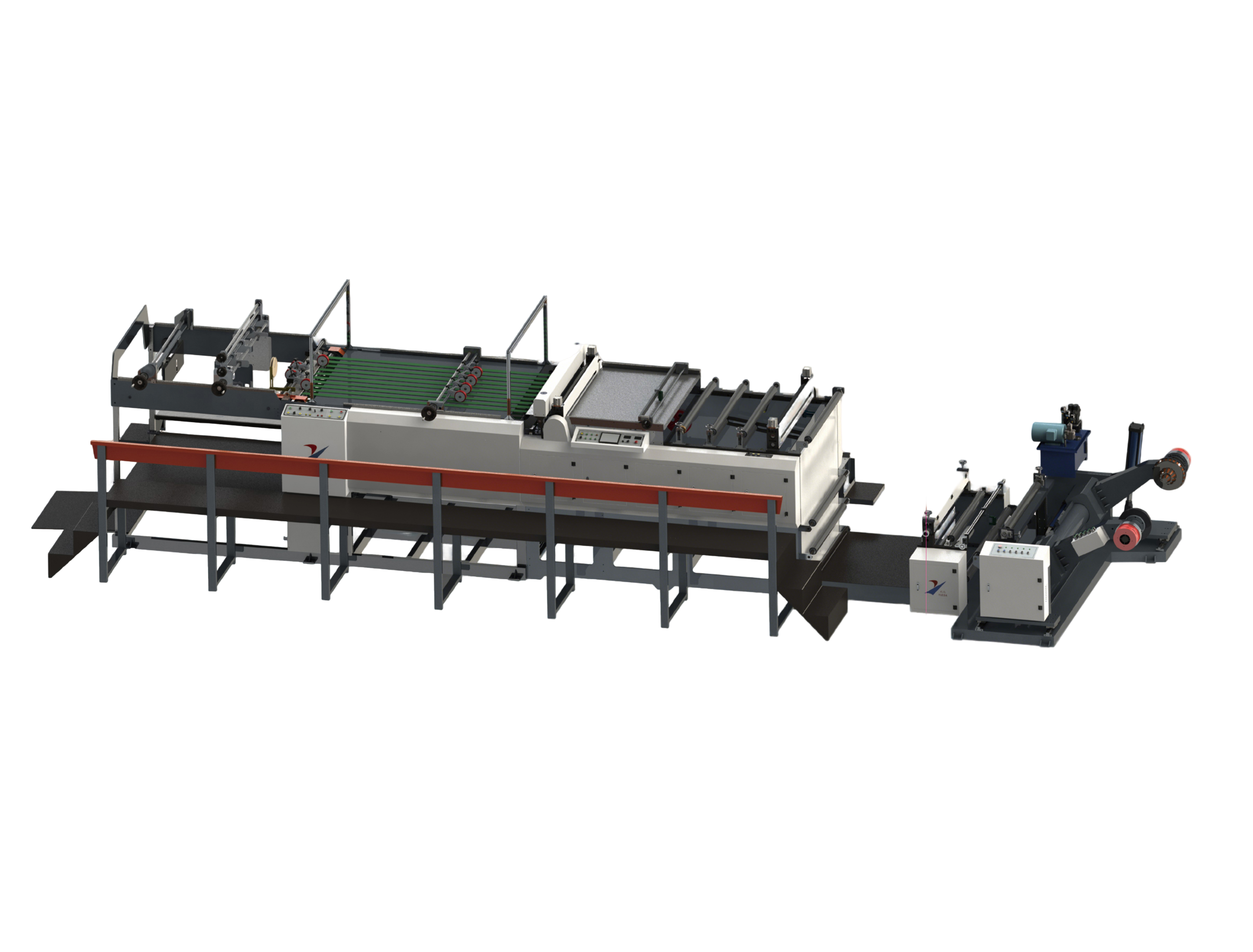
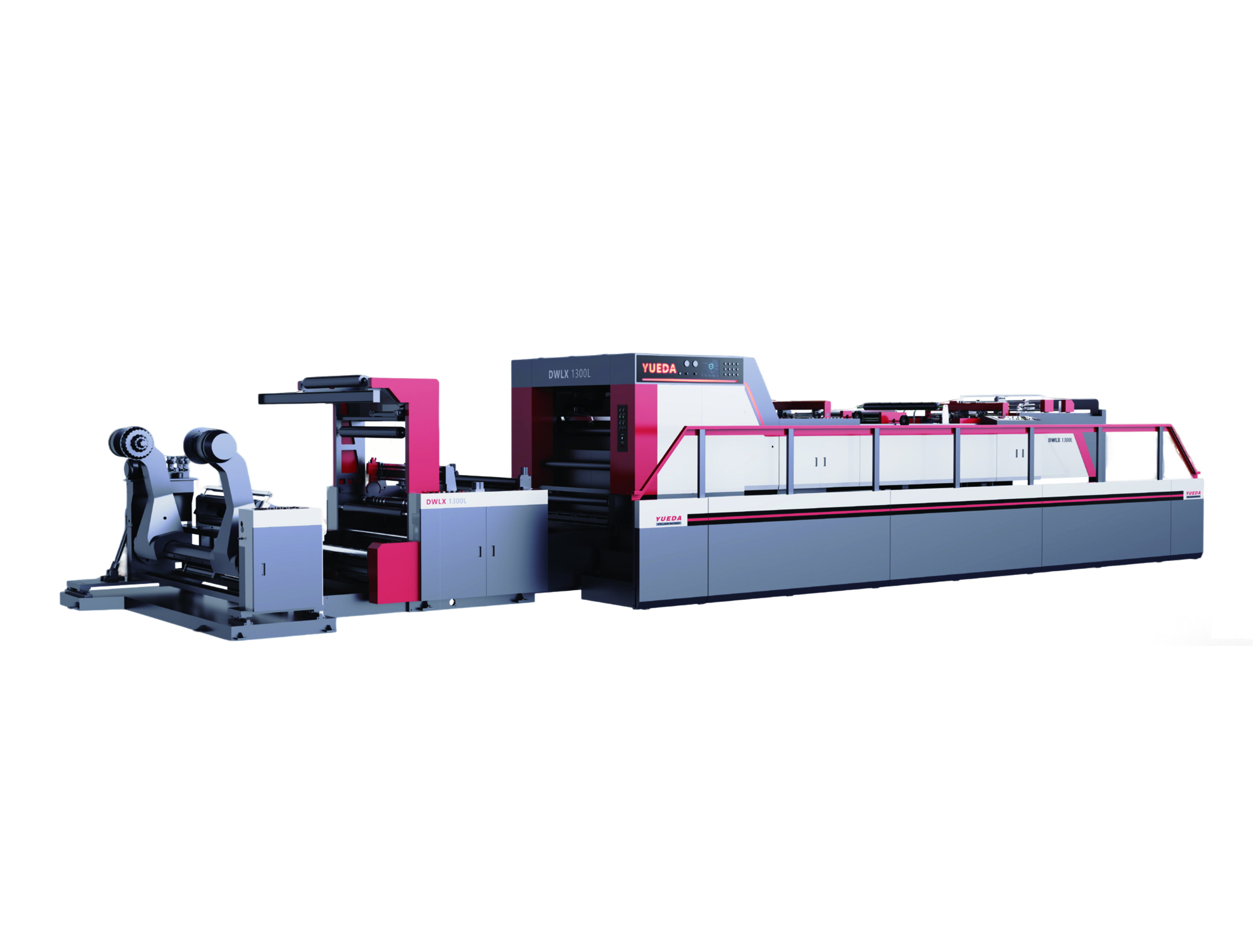
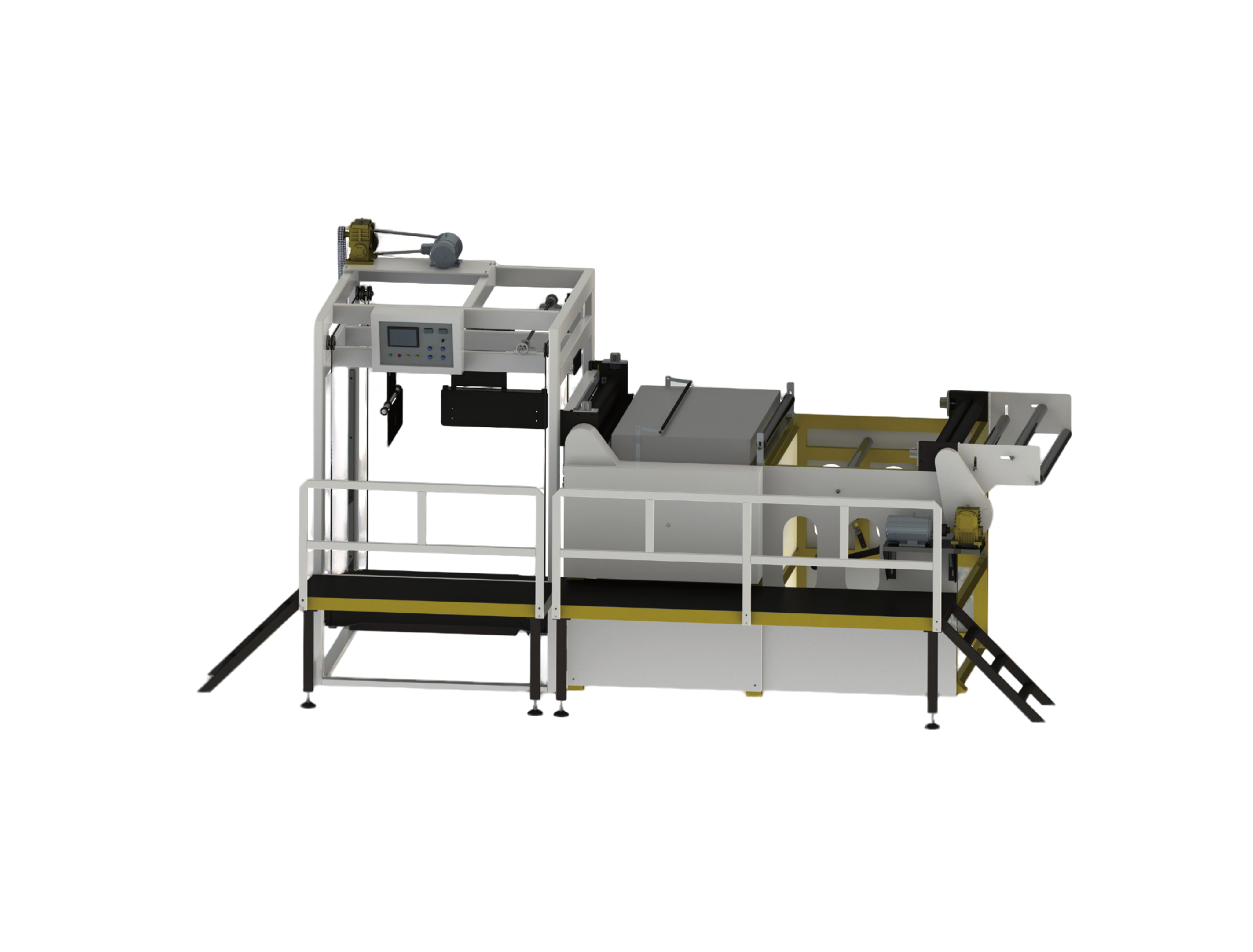
Separate sheet characteristics from delivery requirements. Finished length, width and agreed dimensional checks describe the output material. Stack identification, collection arrangements and the destination department describe how that output is managed. Both matter, but they should not be combined into a vague request for good stacking. Ask the supplier to describe the delivery arrangement offered for the exact model and configuration under review. Request a drawing or other appropriate documentation where available. A product photograph provides a useful introduction to the machine layout, but it does not establish allowable stack dimensions, supported materials or the suitability of a particular handling arrangement.
Record what the downstream team actually needs to recognize. A printing department may work with a job number and material code, while a warehouse may work with a stock item and location reference. Agree how those references connect without forcing everyone to use a single ambiguous description. An order called white board might contain several thicknesses or surface finishes. Its stack label therefore needs a more specific identifier. The purchasing brief should describe the required information and the owner who approves it. It should not prescribe a label location that could conflict with the equipment documentation or the site's approved handling arrangements.
Keep the incoming material identity connected to the finished sheets. A practical record might link the purchase order, supplier material reference, roll identifier and resulting stack identifiers. The exact system can be a spreadsheet or an established production platform. What matters is that the connection remains understandable when an order is split across several rolls or a roll supplies several orders. Ask how material changes are recorded during the proposed workflow. Do not treat a printed job name alone as proof of traceability if several different materials can carry that same job name over the course of a production week.
An illustrative order may require two sheet formats from a related material family. Give the formats separate references even if they will later travel to the same department. Record the intended use alongside each format so that a change in production sequence does not make the stacks look interchangeable. If a sample is retained, label it with the format and material reference used in the trial. A retained sheet without its context is a weak reference for a later discussion. It may show appearance, but it cannot explain which order it belongs to or which dimensions were originally requested and checked.
Grain direction is another information field that deserves explicit discussion where it affects the downstream job. Ask the responsible production team how it defines and records the required orientation. Carry that requirement into the enquiry and trial record using a consistent description. Do not infer orientation solely from how sheets appear in a product photograph or video. If the buyer and supplier use different conventions, resolve the difference with an identified sample and a marked diagram. The purpose is to avoid an administrative mismatch, not to claim that an orientation mark by itself confirms the suitability of the material for every later process.
Ask the supplier to describe what happens after cutting in the configuration being quoted. Distinguish the machine's supplied components, optional components and any separate equipment expected from the buyer. Clarify which drawings and manuals will define the final arrangement. Similar model names or photographs can encourage assumptions about delivery systems that have not actually been quoted. Put those assumptions into a written question list. If a demonstration uses a different configuration, identify that difference in the record. A useful trial explanation should tell the buyer which observations apply directly to the proposed purchase and which observations are only illustrative.
Discuss the information needed for downstream handling with the people responsible for the site. They may need equipment documentation, confirmed material characteristics and a review of the proposed layout. Do not select stack weights, pallet ratings or handling methods from a general marketing article. Those choices depend on the actual equipment, materials and site requirements. The enquiry can still make progress by listing the decisions that require confirmation and naming their owners. This keeps the supplier discussion specific while leaving operational approval to the people and documentation responsible for the real installation and working environment.
A layout review should include the interfaces around the proposed delivery area rather than only the machine footprint. Ask what access and service information the supplier provides, and share the site's relevant constraints through the normal technical review. Mark unverified dimensions clearly. A sketch prepared for an initial conversation should not be mistaken for an approved installation drawing. Similarly, an attractive workshop photograph demonstrates a visible setting but does not prove that another factory has the same access, utilities or handling arrangements. The purchasing record should distinguish reference images from the final documents used to approve the installation.
During a sample review, describe the appearance of identified stacks in terms that another reviewer can understand. Record the material, sheet format, sample reference and the point in the demonstration when the observation was made. If edges appear uneven, identify where and provide an appropriate photograph with context. Avoid a broad statement such as poor stacking when the evidence concerns only one sample group. A specific observation helps the supplier investigate the relevant condition. It also prevents a discussion about stack presentation from silently changing into a claim about cutting accuracy, material quality or a different machine configuration.
Keep appearance observations separate from dimensional measurements. A stack that looks tidy does not replace a documented check of the agreed sheet dimensions. Equally, a photograph taken at an angle can make an acceptable stack look different from how it appears in person. Establish the review method with the parties involved and preserve the original sample references. If photographs are used, explain what they are intended to show. They can support communication about visible alignment or labelling, but they do not independently establish tolerances, stack capacity or performance across materials that were not part of the reviewed demonstration.
Ask the downstream team what would make a handoff difficult in practice. Its answer may concern an unreadable label, a mixed format or an unclear quantity rather than the stack's visible appearance. Convert that answer into a checkable information requirement. For instance, a label might need both the internal job reference and the material identifier. The receiving team should confirm which fields it requires and how it will reconcile them with the production record. This avoids purchasing a visually impressive arrangement while leaving a recurring administrative problem unresolved between the cutting department and the people who consume its output.
Mixed production introduces boundaries that should be visible in the record. A change of material, format or job reference should not be hidden inside a continuous series of similarly described stacks. Ask how the proposed workflow separates those boundaries and how the operator-facing information relates to the buyer's order system. Do not assume that an equipment control screen automatically transfers data into an existing enterprise system. If integration is required, define its scope separately and request confirmation. If the initial arrangement relies on manual records, make the handoff responsibilities clear rather than describing the process as automatically integrated.
Partial stacks deserve a defined status. They may arise at the end of an order, during a material change or when a trial stops before its planned quantity. A partial stack should remain identifiable without being mistaken for an approved full unit. Decide which information the receiving team needs to understand its quantity and order relationship. The supplier can help explain the proposed equipment workflow, while the buyer defines the internal stock and production controls. Avoid treating a partial quantity as a defect by default. The important purchasing question is whether its identity and disposition remain clear to the next person.
Separate production quantity from accepted quantity in the information model. A count recorded during a demonstration may include sheets that are retained for review or set aside for further investigation. If all numbers are placed in one field, the receiving department may interpret a gross count as an available quantity. Agree the meaning of each quantity field and how discrepancies are resolved. No particular counting accuracy or automated reconciliation is implied by this framework. Those capabilities require confirmation for the actual configuration. Clear definitions simply prevent otherwise reasonable people from comparing numbers that represent different stages of the material's journey.
If the buyer's workflow uses pallets, give the pallet or handling-unit reference a defined relationship to its stacks. One handling unit may contain a single stack or several separately identified groups. Explain the proposed relationship in the purchasing brief instead of relying on a photograph of a typical load. The suitability of pallets, load arrangements and handling equipment needs its own competent review. This article does not specify their ratings or use. Its focus is the record: a receiving team should be able to determine which sheet groups are present and which order, material and acceptance status each group carries.

Location information should communicate where material is expected to go, without disguising an unresolved approval decision. A stack awaiting review can have a destination and still remain unavailable for production. Keep physical location and release status as separate fields where that distinction matters. This helps prevent a move within the workshop from being interpreted as acceptance of the sheets. Ask the relevant teams to define the statuses they actually use. Avoid introducing a long list of theoretical categories that no one will maintain. A small set of consistently understood statuses is more useful than an elaborate but unreliable tracking scheme.
Discuss storage and conditioning requirements with the material supplier and the people responsible for the downstream process. Paper and board descriptions alone do not provide a universal storage instruction. Obtain the relevant guidance for the materials actually being purchased and connect it to the internal record where needed. Do not invent a general temperature, humidity range or storage period to complete a quotation. Where information is missing, record the question and its owner. A purchasing plan becomes more reliable when its limits are visible, particularly when several material grades will pass through the same proposed sheeting and warehouse workflow.
Choose a trial scenario that represents an actual interface rather than only a convenient demonstration. It might follow an identified material through cutting, stack identification and receipt by the next department. Agree what the trial is expected to answer before it starts. A demonstration of visible sheet delivery is different from a validation of a complete stock-control process. If the receiving team cannot attend, collect its questions in advance and nominate someone to record the relevant observations. Keep the scope proportionate so that the trial produces usable evidence instead of a large folder of unrelated photographs and informal comments.
Use a simple evidence index to connect the trial record with photographs, sample sheets and supplier responses. Each item should explain which material and configuration it concerns. Preserve unresolved points alongside confirmed observations. For example, a label format may be approved while a proposed data transfer remains untested. Marking both as complete would make the final purchasing decision less informed. The index does not need to reproduce every message in the project. It should help a new reviewer locate the evidence for the decisions that affect the proposed sheet stack and the downstream handoff being assessed.
Compare proposed configurations against the same handoff requirements. If one quotation includes a delivery option that another treats separately, identify the difference before comparing totals. Ask each supplier to clarify the scope rather than filling gaps with assumptions. Keep technical suitability, commercial scope and internal workflow readiness as related but separate decisions. An apparently complete machine package may still require the buyer to define labelling or receiving procedures. Conversely, a straightforward arrangement may fit a site with established material controls. The objective is a transparent decision based on the actual work, not a preference for the longest feature list.

The first production orders can reveal questions that a short trial did not expose. Maintain a controlled way to record those questions without rewriting the original purchasing evidence. An issue log can identify the order, material, observed condition and responsible follow-up. Keep the record factual and avoid assigning a machine cause before investigation. A misidentified stack might reflect a labelling process, a data mismatch or another issue outside the cutting function. Preserving the original references makes it easier for the supplier and buyer to investigate together instead of debating a description that changes each time it is retold.
Changes after commissioning should remain traceable. A revised label, new material family or different downstream process may alter the handoff requirements even when the machine itself is unchanged. Record what changed, why it changed and which existing checks need review. Do not assume that approval for one material or format automatically covers all later work. Equally, do not discard a useful established record every time a minor administrative field changes. A controlled revision should make the current requirement clear while preserving enough history to understand how earlier stacks and production orders were identified and received.
Use supplier conversations to resolve specific open points. Send the relevant material reference, configuration information and concise evidence rather than an unexplained image of a stack. State whether the question concerns visible presentation, quantity records, delivery scope or another interface. This helps the supplier involve the appropriate technical person and gives the buyer a clearer response to assess. Avoid adding unsupported expectations to the message, such as assuming a feature exists because another machine video shows it. A direct question linked to the actual quotation is more productive than a broad request to match an undefined ideal workflow.
Consider an illustrative order that is divided between two material rolls and delivered in three identified stacks. The example does not prescribe a production quantity or handling arrangement. Its purpose is to test the record. Can the receiving team connect each stack to the relevant incoming material, distinguish the sheet format and see whether its quantity is approved for the next process? If one stack is only a partial quantity, can the team recognize that without opening an unrelated production file? Walking through these questions with existing order references can reveal a missing information field before the buyer asks a supplier to demonstrate a more complex workflow.

Now consider a change requested after the first stack has been accepted. The remaining sheets may need a different format or a revised job allocation. Preserve the identity of the accepted stack and create a clear boundary for the changed requirement. Do not retrospectively relabel all output as though the revised instruction had applied from the beginning. The supplier conversation can then focus on how the proposed arrangement communicates a real order change. The internal conversation can focus on who approves the changed allocation. These are complementary responsibilities, and documenting them separately keeps an administrative correction from being confused with a machine performance observation.
Should stack quality be included in a sheeter enquiry? Yes, when it is described through the intended downstream use and an agreed review method. Explain the material, formats, identification needs and receiving process. Ask the supplier which aspects the offered configuration addresses. Avoid a request for perfect stacks without a definition, since the parties may be picturing different outcomes. Stack appearance should be reviewed alongside the relevant dimensional and material requirements, with each observation identified clearly. The enquiry is an opportunity to establish a shared scope before a demonstration or quotation becomes the basis for a purchasing decision.
Can a product video establish the complete handoff arrangement? It can help a buyer understand visible machine features and prepare questions, but it does not define the final supplied configuration. Videos may show options, different materials or a demonstration layout. Ask which elements are included in the actual proposal and which documents will confirm them. Use the video as a reference in the conversation rather than treating every visible component as a contractual inclusion. The same principle applies to workshop images: they show a real scene, while the proposed installation still needs its own confirmed scope and technical review.
How should a buyer handle several sheet formats in one shift? Begin with separate, unambiguous order and format references, then explain the planned sequence to the supplier. Ask how the proposed workflow supports the changes that matter to the site, including identification of partial quantities and material boundaries. Any specific changeover capability or performance requires confirmation. The administrative plan should also explain how the receiving team distinguishes similar-looking sheets. An agreed format reference and traceable sample can prevent confusion even before more advanced data integration is considered, provided the references remain consistent throughout the production and receiving records.
Which information belongs in a first discussion with Yueda? Bring a representative material list, sheet formats, downstream uses, present handoff difficulties and the questions that remain open. Identify whether the enquiry concerns a shaftless positioning sheeter, a double rotary cutter or another product being reviewed, and request confirmation of the relevant configuration. The product and workshop images shown here provide visual context only. They do not establish a universal stack capacity, performance result or handling approval. A useful next step is a focused technical conversation that links the buyer's real order flow to a clearly documented machine proposal.
Contact: Peter Chen/Jack Chen
Mail : peterchen@yuedamachine.com
Cellphone: +86 18767458866/ +86 19857780001
Address: Building 2, No. 1333 Times Avenue, Longgang City,Wenzhou City, Zhejiang Province China
Copyright © 2026 Wenzhou Yueda Packaging Machinery Co., Ltd. All Rights Reserved.
SitemapThis website uses cookies to ensure you get the best experience on our website.
 Español
 Portugues
 Indonesia
 Tiếng Việt



 Phone
 E-mail
Comment
(0)