

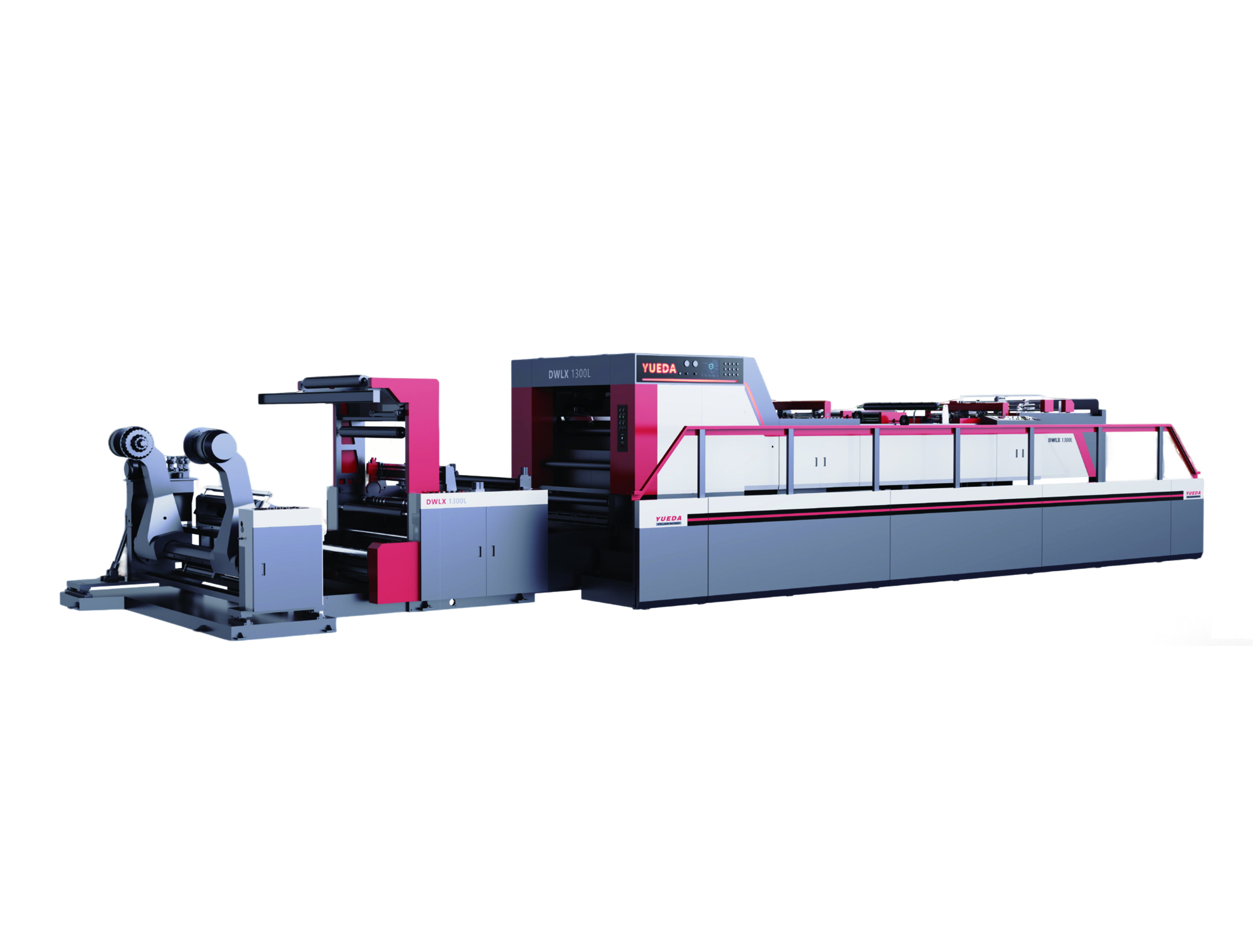
The DWLX double rotary sheet cutter is a high-efficiency industrial cutting solution used in
paper converting, packaging production, printing finishing, label processing, film conversion, and other
web-to-sheet applications. Because this equipment is designed for continuous operation, precision cutting,
and stable output, users often search for reliable information about maintenance manuals,
spare parts, and supplier support questions. This page provides a
comprehensive, SEO-friendly overview of the topic in clear English, with practical definitions, common
components, service guidance, specification references, troubleshooting ideas, and support-related FAQs.
If you are building a blog, directory page, product category page, or industry content hub, this article can
serve as a strong internal reference for double rotary sheet cutter maintenance,
sheet cutter spare parts, industrial cutter support, and related search
intent. The content below focuses on general industry knowledge only and does not recommend any specific
company or supplier.
A double rotary sheet cutter is a converting machine that cuts continuous web material into
precise sheets using two synchronized rotating cutting cylinders or rotary knives. In many industrial
production lines, this type of machine is preferred for its high cutting speed, consistent sheet length,
smooth cut edges, and ability to handle long production runs with stable accuracy.
The term DWLX is commonly associated with model naming used in the sheet-cutting sector.
In general, a DWLX-type double rotary sheet cutter is expected to support high-volume conversion tasks with
strong mechanical stability, precise registration, and efficient maintenance access. The machine may be used
with paper rolls, cardboard, film, laminated materials, and other substrates depending on configuration.
In search engine terms, users typically look for:
A double rotary sheet cutter works by feeding a continuous web through synchronized rotary cutting units.
The system uses precise timing between the web feed, the rotary blade action, and the delivery section to
create sheets of consistent length. Compared with some intermittent cutting methods, rotary cutting can offer
better speed and smoother production flow.
Typical operating sequence:
In industrial environments, correct setup is essential. If the tension is unstable, blade alignment is off, or
the cutting cylinder is not synchronized, the machine may produce inaccurate length, rough edges, dust, or
frequent stoppages.
A maintenance manual is one of the most valuable documents for any double rotary sheet
cutter user. It provides instructions for routine inspection, lubrication, blade adjustment, safety checks,
replacement intervals, and troubleshooting. In production environments, a good manual helps reduce downtime,
protect operators, and extend the service life of the machine.
Common reasons maintenance manuals matter:
From an SEO and content marketing point of view, users searching for a double rotary sheet cutter
manual are usually looking for practical information such as setup steps, service intervals, and
replacement part references. A clear manual summary page can meet that demand effectively.
Although each machine version may differ, most maintenance manuals for a double rotary sheet cutter cover
similar subjects. The table below summarizes the most common manual sections.
| Manual Section | Purpose | Typical Content |
|---|---|---|
| Safety Instructions | Protect operators and maintenance staff | Lockout procedures, blade safety, emergency stop use, PPE requirements |
| Machine Overview | Explain machine structure and functions | Unwind unit, feed section, rotary cutting unit, drive system, stacker |
| Installation Guide | Support proper setup | Leveling, foundation requirements, electrical connection, alignment |
| Operation Guide | Help operators run the machine safely | Start-up, web threading, speed settings, sheet-length adjustment |
| Lubrication Schedule | Protect bearings and moving parts | Lubrication points, oil type, grease intervals, inspection notes |
| Blade Maintenance | Maintain cut quality | Blade inspection, sharpening, replacement, blade gap adjustment |
| Troubleshooting | Resolve common operating issues | Misalignment, inaccurate cutting, paper jams, sensor errors |
| Spare Parts List | Support replacement planning | Part names, part numbers, wear items, consumables, optional accessories |
Spare parts are essential for keeping a DWLX double rotary sheet cutter in stable working condition. Some
parts are wear components and need regular replacement, while others are mechanical or electrical items that
may only be replaced when damaged or aged.
Below is a general reference table of commonly requested sheet cutter spare parts.
| Spare Part | Function | Replacement Reason |
|---|---|---|
| Rotary Blade | Performs the cutting action | Wear, dull edge, chipping, inaccurate cutting |
| Cutting Cylinder | Supports blade rotation and timing | Surface wear, runout, mechanical damage |
| Bearing | Reduces friction in rotating assemblies | Noise, heat, vibration, wear |
| Timing Belt / Drive Belt | Transfers power and motion | Cracking, stretching, slippage, aging |
| Encoder | Measures position and speed | Signal failure, inaccurate measurement, electrical damage |
| Sensor | Detects web position or marks | Dust contamination, signal loss, alignment issues |
| Gear | Supports synchronized motion | Wear, backlash, noise, damage |
| Seals and O-rings | Prevent leakage and contamination | Hardening, cracking, loss of sealing performance |
| Control Panel Components | Provide machine operation interface | Button wear, screen failure, electrical aging |
| Lubrication Accessories | Support routine service | Blocked lines, pump wear, contamination |
For search optimization, pages about spare parts should include phrases like double rotary sheet
cutter parts, sheet cutting machine replacement parts, and industrial
cutter consumables. However, the information should remain accurate and practical rather than overly
promotional.
Maintenance intervals depend on production intensity, material type, operating speed, and environmental
conditions. The following table provides a general industry reference for preventive maintenance planning.
| Maintenance Frequency | Task Type | Examples |
|---|---|---|
| Daily | Visual inspection | Check blade condition, clean dust, inspect safety devices, verify unusual noise |
| Weekly | Basic service | Inspect fasteners, check tension, verify sensor position, clean guide surfaces |
| Monthly | Preventive maintenance | Lubricate key points, examine belts, test controls, inspect electrical connections |
| Quarterly | Detailed inspection | Check bearing wear, blade alignment, cylinder runout, calibration accuracy |
| Annually | Major service | Replace worn components, review control system, rebuild critical assemblies if needed |
Preventive maintenance is more effective than reactive repair. Businesses using double rotary sheet cutters
often reduce downtime by creating a service log, tracking part replacement history, and standardizing
inspection procedures.
When evaluating a DWLX double rotary sheet cutter, buyers and maintenance teams should review the technical
specifications carefully. These specifications help determine whether the machine is suitable for the
required material, speed, and production accuracy.
| Specification | Why It Matters | Typical Consideration |
|---|---|---|
| Max Web Width | Determines material input size | Must match production roll width |
| Sheet Length Range | Defines output flexibility | Important for different product formats |
| Cutting Accuracy | Indicates precision level | Critical for packaging and printing applications |
| Production Speed | Affects throughput | Higher speed requires better stability and control |
| Material Compatibility | Shows supported substrates | Paper, board, film, laminated web, etc. |
| Drive Type | Influences motion control | Servo, AC motor, or mechanical drive configuration |
| Power Requirement | Needed for electrical planning | Voltage, phase, frequency, installed power |
| Machine Dimensions | Important for plant layout | Space for installation, operation, and service access |
| Weight | Impacts shipping and floor loading | Foundation and transport planning |
| Control System | Supports operation and diagnosis | PLC, HMI, inverter, encoder-based control |
Users searching for supplier support questions often need help with machine performance,
part compatibility, and service response. The following are common issues associated with double rotary sheet
cutters, along with general troubleshooting ideas.
| Problem | Possible Cause | General Check |
|---|---|---|
| Uneven Sheet Length | Encoder error, slippage, incorrect timing | Inspect sensor signals, belt tension, and calibration settings |
| Rough Cut Edge | Dull blade, poor alignment, unsuitable material tension | Check blade sharpness and cutting pressure |
| Paper Jams | Guide misalignment, debris, static, damaged rollers | Clean path, inspect rollers, verify web tracking |
| Noise or Vibration | Bearing wear, loose fasteners, mechanical imbalance | Inspect rotating parts and structural mounting |
| Machine Stops Suddenly | Electrical fault, overload, safety circuit trigger | Check alarms, control panel, and emergency stop circuit |
| Inconsistent Stacking | Delivery timing issue, air control issue, static buildup | Review stacking unit settings and delivery alignment |
| Blade Wear Too Fast | Incorrect material, poor maintenance, excessive load | Inspect cutting conditions and operating speed |
In practical maintenance support, it is often useful to start with the simplest checks first: machine cleaning,
fastener inspection, blade condition, tension settings, and electrical alarms. This approach can save time and
reduce unnecessary part replacement.
When buyers ask about supplier support for a double rotary sheet cutter, they usually expect
assistance in several service categories. The exact support level may vary by source, but industry-standard
support often includes the following items.
Good support is especially important for industrial machines because downtime can directly affect output,
delivery schedules, and product quality. For this reason, buyers often prioritize access to clear service
information as much as the machine itself.
To avoid incorrect purchases, maintenance teams should confirm part compatibility before ordering any
replacement components. The following checklist can help.
| Question | Why It Matters |
|---|---|
| What is the exact machine model? | Part dimensions and specifications may vary by model |
| What is the serial number? | Helps identify production batch and configuration details |
| What is the part number? | Reduces the risk of selecting the wrong component |
| Is the part original or equivalent? | Confirms quality expectations and compatibility |
| Are dimensions and material grades confirmed? | Important for blades, bearings, seals, and mechanical parts |
| Is the part for the unwind, cutting, or delivery section? | Different machine sections use different components |
A well-organized spare parts inquiry should include photos, part dimensions, machine identification data, and
a brief description of the failure symptom. This improves response accuracy and shortens service time.
Regular maintenance offers measurable operational benefits. For businesses using a DWLX double rotary sheet
cutter, preventive service can improve product consistency, reduce scrap, and extend equipment life.
The checklist below is a general example of what a maintenance team may review during routine service of a
double rotary sheet cutter.
| Inspection Item | Status Check | Notes |
|---|---|---|
| Blade Sharpness | Pass / Replace | Check cutting quality and edge wear |
| Fastener Tightness | Pass / Tighten | Inspect critical mounting points |
| Lubrication Condition | Pass / Service | Confirm adequate oil or grease level |
| Belt Condition | Pass / Replace | Look for cracks, glazing, or slippage |
| Sensor Function | Pass / Adjust | Test signal accuracy and alignment |
| Electrical Connections | Pass / Repair | Check for loose wires, overheating, or oxidation |
| Noise and Vibration | Normal / Abnormal | Investigate unusual operation immediately |
| Safety Devices | Pass / Service | Test emergency stop and protective interlocks |
For blog pages, directory content, and industry landing pages, keyword-rich wording can improve visibility in
search results. Useful keyword themes include:
To create SEO-friendly content, these keywords should be used naturally in headings, paragraphs, tables, and
FAQ sections. Avoid keyword stuffing; instead, focus on clear answers and structured formatting.
Q1: What is the most important document for a double rotary sheet cutter?
The maintenance manual is one of the most important documents because it explains operation, service, and
troubleshooting procedures.
Q2: How often should rotary blades be checked?
Blade condition should be checked daily in high-volume production environments and replaced or sharpened when
cutting quality begins to decline.
Q3: What are the most common spare parts?
Common spare parts include rotary blades, bearings, belts, sensors, encoders, seals, gears, and control
components.
Q4: Why does a sheet cutter produce uneven lengths?
Uneven lengths are often caused by encoder issues, belt slippage, synchronization problems, or incorrect
calibration.
Q5: What should be included in a support request?
A good support request should include the machine model, serial number, part number if available, fault
description, photos, and operating conditions.
Q6: Can preventive maintenance reduce downtime?
Yes. Preventive maintenance helps identify wear early and reduces the chance of unexpected breakdowns.
The DWLX double rotary sheet cutter is an important industrial solution for precise, high-speed sheet
conversion. To keep this equipment running efficiently, users need reliable access to maintenance manuals,
spare parts information, and supplier support knowledge. A strong maintenance program helps improve accuracy,
reduce downtime, and extend machine life, while proper spare parts management ensures fast recovery when
wear or failure occurs.
For SEO purposes, this topic performs well when the content is organized around practical search intent:
maintenance manuals, spare parts, troubleshooting, and
supplier support questions. Pages that provide clear definitions, structured tables,
and helpful service information are more likely to satisfy both users and search engines.
If you are publishing this content on a website, you can place it directly in the middle section of an HTML
page as an industry reference, blog article, or category-page knowledge block.
```
Contact: Peter Chen/Jack Chen
Mail : peterchen@yuedamachine.com
Cellphone: +86 18767458866/ +86 19857780001
Address: Building 2, No. 1333 Times Avenue, Longgang City,Wenzhou City, Zhejiang Province China
Copyright © 2026 Wenzhou Yueda Packaging Machinery Co., Ltd. All Rights Reserved.
SitemapThis website uses cookies to ensure you get the best experience on our website.
 Español
 Portugues
 Indonesia
 Tiếng Việt



 Phone
 E-mail
Comment
(0)