

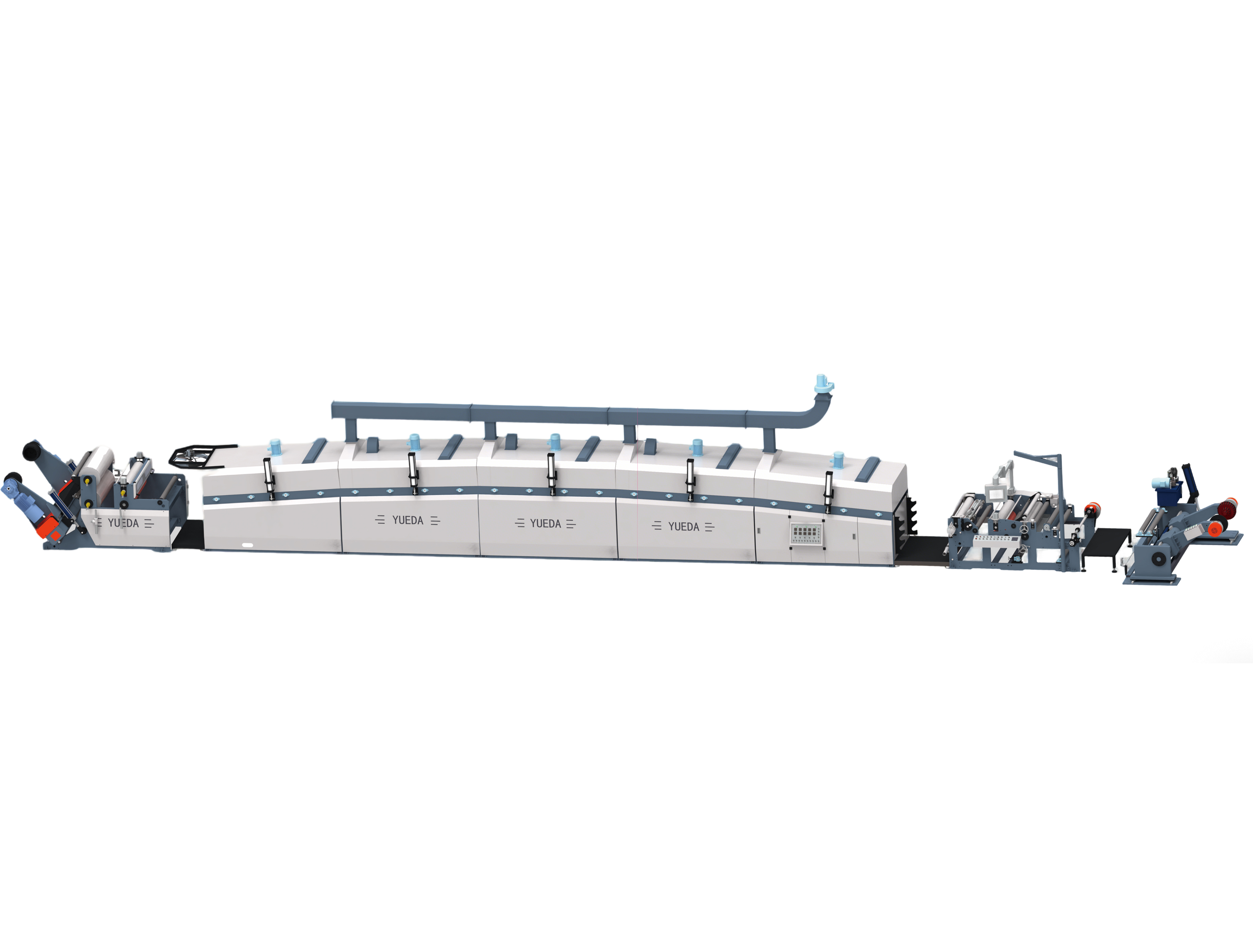
DWLX double rotary sheet cutters are widely used in paper converting, packaging, printing, and roll-to-sheet processing lines where accurate, high-speed cutting is required. In production environments, even small cutting defects can create waste, reduce efficiency, affect downstream stacking and packaging, and generate technical support cases. For this reason, recording paper cutting defects for technical support is an important part of machine operation, quality control, and preventive maintenance.
This industry overview explains the working principle, common cutting defects, typical causes, troubleshooting logic, specification factors, inspection methods, and documentation best practices for double rotary sheet cutters. The content is written for technical support, factory operation teams, maintenance departments, and SEO-friendly industry pages that need clear definitions, structured information, and keyword-rich explanations. No specific company recommendation is included; the focus is only on general industry knowledge.
A DWLX double rotary sheet cutter is a type of converting equipment designed to cut continuous paper web or roll-fed material into sheets using two rotating blades or rotary cutting components. In general, a double rotary cutter provides stable speed synchronization, clean cutting edges, and efficient output for paper-based materials. It is commonly used for printing paper, packaging paper, coated paper, kraft paper, label stock, and other web-fed products that require precise sheet lengths.
The term “double rotary” usually refers to a rotary cutting mechanism involving paired rotating knives or drums that work together to produce continuous, high-speed cutting. Compared with intermittent cutting methods, rotary cutting supports better productivity and smoother motion. However, performance depends on material quality, blade condition, alignment, tension control, registration settings, and machine calibration.
In technical support workflows, defect recording is not just administrative paperwork. It is a core diagnostic method that helps identify the root cause of cutting problems, reduce repeat failures, and improve machine uptime. When paper cutting defects are recorded in a structured way, support teams can identify whether the issue is related to blade wear, web tension, feed speed, sheet length variation, static electricity, improper setup, or mechanical misalignment.
Recording cutting defects for technical support also helps create traceable quality data. This is especially important in factories where multiple shifts, multiple operators, and different paper grades are involved. A well-maintained defect log can reveal patterns such as recurring edge fray during high-speed operation, repeated length inconsistency after knife replacement, or miscut defects when humidity changes. These records support preventive maintenance, faster troubleshooting, and more accurate spare part planning.
Double rotary sheet cutters are popular in paper converting lines because they combine speed, accuracy, and production stability. Their main advantages include:
| Advantage | Description | Production Benefit |
|---|---|---|
| High Cutting Speed | Rotary knife motion supports continuous and efficient cutting. | Higher output and better line productivity. |
| Cleaner Edge Quality | Properly adjusted rotary blades can produce smooth sheet edges. | Reduced edge fray and better product appearance. |
| Stable Sheet Length Control | Servo control and synchronized motion help maintain consistent cut length. | Improved dimensional accuracy. |
| Continuous Processing | Designed for roll-to-sheet conversion without frequent stoppage. | Less downtime and improved throughput. |
| Suitable for Multiple Paper Grades | Can be used for various paper types and weights. | Flexible production capability. |
| Better Support for Automated Lines | Can integrate with unwind, tension, counting, stacking, and inspection systems. | More efficient end-to-end workflow. |
Recording paper cutting defects begins with knowing what the defects look like. The most common issues seen in double rotary sheet cutters include length variation, burrs, crushed edges, rough cuts, diagonal cuts, incomplete cuts, sheet overlap, and sheet skew. Each defect points to different possible mechanical or process causes.
| Defect Type | Visual Description | Possible Impact |
|---|---|---|
| Length Variation | Sheets are longer or shorter than the target length. | Packaging mismatch, counting errors, and quality rejection. |
| Edge Burrs | Small torn fibers or rough edges appear after cutting. | Poor appearance and weaker edge integrity. |
| Crushed Edges | The edge looks compressed, flattened, or damaged. | Reduced product quality and possible feeding issues later. |
| Diagonal or Skewed Cut | The sheet is cut at an angle instead of squarely. | Stacking problems and dimension inconsistency. |
| Incomplete Cut | The sheet remains partially attached or not fully severed. | Line stoppage and manual intervention required. |
| Rough Cut Surface | The cut face appears uneven or visibly torn. | Lower product grade and customer complaints. |
| Sheet Overlap | Multiple sheets are not separated correctly or stack unevenly. | Sorting issues and count inaccuracies. |
| Sheet Curl After Cutting | Cut sheets curl or deform after leaving the cutter. | Stack instability and handling difficulty. |
To support technical service effectively, defect recording should be connected to root-cause analysis. Most cutting defects in a double rotary sheet cutter come from one or more of the following categories: blade condition, material quality, machine alignment, process settings, environmental conditions, or operator handling.
Dull, chipped, or incorrectly installed blades are among the most common causes of poor cutting performance. As blades wear, cutting force increases and paper fibers tear instead of separating cleanly. This can create burrs, ragged edges, and incomplete cuts. If the blade edge is damaged, the cutter may also produce repetitive defects at regular intervals.
The gap between rotating blades and the anvil or counter surface must be properly adjusted. If the gap is too large, the paper may not be cut cleanly. If it is too tight, the blades may create excessive pressure, causing edge crushing or accelerated wear. Cutting gap error is a frequent support issue because it directly affects edge quality and cutter life.
Unstable web tension can lead to stretching, wrinkling, or misalignment before the material reaches the cutter. When tension fluctuates, the paper may not feed evenly into the cutting zone. As a result, the finished sheets can have length variation, skew, or diagonal cutting defects.
If the feed speed does not match the rotary knife speed or machine synchronization, defects may occur. Too much speed difference can cause tearing, incomplete separation, or off-length sheets. In high-speed production, speed synchronization is critical for maintaining precision.
Different paper grades respond differently to cutting. Paper basis weight, fiber structure, coating, moisture content, and stiffness all influence cutting behavior. Thin or highly coated papers may show edge issues differently from thick kraft or board materials. Low-quality or inconsistent raw material can increase defect rates even when the machine is properly adjusted.
Static buildup, low humidity, and temperature changes can affect paper handling and sheet separation. Static can make sheets cling together, shift during cutting, or stack irregularly. In dry environments, the risk of edge roughness and feeding instability can rise.
Misaligned shafts, bearings, guides, or knife mounting positions can produce inconsistent cutting results. Even a small alignment error can generate recurring skew cuts or uneven edge quality. Mechanical inspection is therefore essential when defect patterns repeat after adjustments.
A proper defect record should be detailed enough for technical support teams to identify the problem without guesswork. A simple note such as “bad cut” is usually not enough. More useful records include defect type, frequency, time of occurrence, paper specification, operating speed, blade condition, and corrective action taken.
Below is a recommended defect recording structure for paper cutting support cases:
| Recording Item | What to Capture | Why It Matters |
|---|---|---|
| Machine Model / Line ID | Equipment identification and production line location. | Helps isolate machine-specific behavior. |
| Date and Time | Exact time defect was observed. | Supports shift-based comparison and event tracking. |
| Paper Grade | Material type, basis weight, coating, and supplier batch if available. | Links defect to paper properties. |
| Cut Length Specification | Target sheet length and tolerance range. | Confirms whether the defect is dimensional or visual. |
| Defect Type | Edge burr, diagonal cut, incomplete cut, length error, and so on. | Defines the technical issue clearly. |
| Defect Frequency | How often the defect occurs per roll, per stack, or per minute. | Reveals whether the issue is random or systematic. |
| Machine Speed | Operating speed at the time of defect. | Helps detect speed-related instability. |
| Blade Status | Wear level, edge condition, and last replacement date. | Critical for diagnosing cutting quality. |
| Tension Setting | Web tension value or tension condition. | Useful for identifying feed stability issues. |
| Corrective Action | Any adjustment, replacement, or cleaning performed. | Provides traceability and follow-up guidance. |
The following simple log format can be used in maintenance records, quality reports, or technical support tickets. It is useful for factory teams that want a standard method for recording paper cutting defects in a DWLX double rotary sheet cutter environment.
| Field | Example Entry |
|---|---|
| Machine Name | Double Rotary Sheet Cutter |
| Production Date | 2026-10-27 |
| Material | Coated paper, 120 gsm |
| Target Sheet Length | 700 mm |
| Observed Defect | Rough cut edges and slight length variation |
| Defect Frequency | Every 30–50 sheets |
| Operating Speed | Medium-high speed |
| Possible Cause | Blade wear or tension fluctuation |
| Action Taken | Cleaned blade area and checked tension setting |
| Follow-up Result | Defect reduced after adjustment |
A structured troubleshooting process helps technicians find the real cause of cutting defects quickly. In a double rotary sheet cutter, the following sequence is commonly used:
This process is effective because it separates symptom from cause. For example, a rough edge may seem like a blade issue, but the actual cause could be moisture variation in the paper web. Likewise, length variation may appear to be a calibration problem, but unstable tension may be the true source. Technical support becomes more efficient when these details are recorded systematically.
When evaluating or documenting a DWLX double rotary sheet cutter, the following specification factors are commonly used in industry descriptions and technical support reports.
| Specification Factor | Typical Meaning | Relevance to Cutting Quality |
|---|---|---|
| Cutting Speed | Maximum or normal operating speed of the cutter. | Affects throughput and defect risk at high speed. |
| Cut Length Range | Minimum and maximum sheet length supported. | Determines product flexibility. |
| Paper Width Range | Material width accepted by the machine. | Impacts line compatibility. |
| Blade Type | Rotary blade material and geometry. | Influences edge quality and blade life. |
| Control System | Servo, PLC, or other automation system. | Supports precision and synchronization. |
| Feeding Accuracy | Consistency of web feed into the cutter. | Directly affects sheet length accuracy. |
| Stacking System | How sheets are collected after cutting. | Impacts stacking alignment and handling quality. |
| Noise and Vibration Level | Mechanical stability during operation. | Can indicate wear, misalignment, or imbalance. |
Quality control for double rotary sheet cutters should include regular inspection of both the machine and the finished sheets. Common checks include sheet length measurement, edge inspection, surface appearance, stack alignment, and repeatability across multiple samples. In high-volume production, quality control should be based on both in-process monitoring and final product inspection.
Useful quality checkpoints include:
Although this article is focused on defect recording, it is also useful to understand general prevention methods. Better prevention usually results in fewer technical support calls and less downtime.
For blog, category, or industry page optimization, related keyword themes may include:
These phrases can be used naturally in headings, paragraph content, image alt text, metadata, and internal links to improve search visibility. For Google-friendly structure, it is also helpful to include clear H2 and H3 headings, concise tables, and practical terminology that matches real industrial search intent.
DWLX double rotary sheet cutters play an important role in modern paper converting and roll-to-sheet production. Their performance depends on blade condition, alignment, tension control, operating speed, and material quality. When cutting defects occur, structured defect recording is one of the most effective ways to support technical troubleshooting and improve long-term stability.
By documenting defect type, frequency, machine settings, material grade, and corrective action, production teams can reduce repeat issues and build a reliable technical support history. This approach improves quality control, supports preventive maintenance, and helps operations teams achieve more consistent paper cutting results.
For industry pages, blog content, and SEO-focused directory sections, this topic offers strong keyword relevance around double rotary sheet cutters, paper cutting defects, technical support, troubleshooting, and sheet cutter quality control. The best-performing content will combine clear definitions, structured tables, and practical defect-recording guidance that matches real manufacturing needs.
Contact: Peter Chen/Jack Chen
Mail : peterchen@yuedamachine.com
Cellphone: +86 18767458866/ +86 19857780001
Address: Building 2, No. 1333 Times Avenue, Longgang City,Wenzhou City, Zhejiang Province China
Copyright © 2026 Wenzhou Yueda Packaging Machinery Co., Ltd. All Rights Reserved.
SitemapThis website uses cookies to ensure you get the best experience on our website.
 Español
 Portugues
 Indonesia
 Tiếng Việt



 Phone
 E-mail
Comment
(0)