

A request for gold or silver laminated cardboard often begins with a visual idea: a bright box, a reflective sleeve or a metallic background behind printed artwork. That idea is useful, but it is not yet a sample specification. Different people may imagine different shades, surface effects and finished package appearances when they read the same short description. Before discussing a laminating machine configuration, a packaging buyer can make those expectations easier to review. The practical starting point is an identified appearance sample and a clear account of the packaging work it represents, with unresolved material and processing questions kept visible.
This guide focuses on the appearance approval conversation. It does not prescribe operating settings or claim that a particular machine produces every finish mentioned. The supplier must confirm the proposed equipment, materials and process for the actual enquiry. A photograph of a laminating line is useful context, while a physical sample and its production record answer a different question. Keeping those roles separate helps the buyer avoid approving a visual effect that has never been connected to the proposed material combination or to the printing and finishing stages planned for the final packaging job.
Begin with the package and the surfaces that a customer will see. Identify which panels are metallic, which carry print and which will be concealed after assembly. A flat reference sheet can look attractive while leaving an important visible edge or folded panel unresolved. Ask the packaging design team to mark the relevant faces on a drawing or mock-up. The machine supplier does not need to infer the intended package from a phrase such as premium gold board. A marked reference gives the discussion a defined purpose without turning an early design preference into an unsupported technical promise.
Describe the appearance in ordinary terms and attach the actual reference where available. A buyer might want a subdued metallic background, a bright silver face or a particular contrast between printed and unprinted areas. Those are starting descriptions rather than universal material grades. Avoid assuming that two suppliers use a finish name in exactly the same way. Give each reference a distinct identifier and explain what the buyer likes about it. If the reference is only a digital concept, say so. A rendered design should not be described as an approved physical material or as evidence of the proposed machine's output.
Separate mandatory visual requirements from preferences that remain open for discussion. A brand may have an established physical reference for a visible panel while allowing the production team to propose options for a concealed surface. Record that distinction before requesting samples. Otherwise, reviewers may spend time comparing features that do not affect the purchase while overlooking a detail that does. Where the requirement is not yet decided, name the person responsible for deciding it. A useful appearance brief shows the limits of the current approval as clearly as it shows the details that have already been accepted.
An appearance sample needs a material identity. Ask for the relevant board reference and the supplier's description of the proposed laminated structure. Do not infer the layers or composition from a metallic-looking face. The words gold and silver describe an appearance in this conversation; they do not independently establish which film, foil, coating or other material has been used. If the structure matters to the downstream job, obtain its confirmed description. Keep that information with the sample so that a later reviewer can tell whether two similar-looking sheets actually represent the same proposed material combination.
Record the sample dimensions and the area intended for review. A small swatch may help narrow a visual preference, while a larger identified sheet may be needed to discuss a panel layout or a downstream mock-up. Ask the responsible teams which reference they need before treating a swatch as a complete approval. The purpose is to match evidence to the decision. A sample suitable for choosing an appearance may not answer every question about printing, folding or the equipment proposal. Those questions should remain separate until the appropriate review has been completed for the actual materials.
Give every submitted sample a stable reference. Include the enquiry or project reference, the material description supplied, the sample version and any known preparation details relevant to the discussion. Preserve unknown details as unknown. Do not add a guessed processing date, material grade or machine setting to make the record look more complete. If the supplier later clarifies a detail, update the record through a controlled revision. This makes a physical sample more useful than an unlabelled sheet kept in a drawer, especially when several similar metallic appearances are being compared over more than one meeting.
Limit the comparison set to options that answer the buyer's current question. If the decision concerns two proposed silver appearances on an identified board, do not dilute it with unrelated promotional samples. More samples do not automatically create better evidence. Ask why each option has been included and what remains to be learned from it. If one sample uses a different material combination or preparation method, identify that difference before comparing appearance. The buyer can then decide whether the comparison is relevant instead of assuming that every difference in the visible result comes from a single chosen finish.
Keep an approved reference separate from candidate samples. An approved item defines the current target within its recorded scope, while a candidate invites a decision. Labelling both simply as samples can make their roles unclear when they travel between departments. Record who approved the reference and which feature the approval covers. A colour or appearance approval does not automatically approve material composition, process compatibility or commercial scope. When the project needs several approvals, the reference set should help reviewers locate the right evidence rather than implying that one signature resolves every question attached to the packaging order.
If the buyer uses an existing package as inspiration, describe exactly how it is being used. It may illustrate a desired surface appearance or a panel contrast without sharing the same construction as the new job. Do not treat it as a technical specification for the proposed lamination process. Avoid copying another company's branded artwork into the new production brief unless the buyer has the appropriate rights and intends that use. The enquiry can refer to an identified, lawfully supplied physical reference while asking the supplier to propose a suitable and independently specified material arrangement for the buyer's own packaging design.
Ask reviewers to describe the conditions under which they make an appearance judgment. A sample viewed at a desk, photographed near a window and displayed on a screen is not being assessed through one identical medium. The record should distinguish direct physical observations from impressions formed through images. This does not require inventing a universal lighting rule. If the buyer already follows a defined colour or appearance review procedure, use the responsible team's approved method. If no method has been agreed, record that gap and resolve it before treating conflicting opinions as proof of a material or equipment problem.
Photographs can help communicate visible differences when they retain the sample identity and enough context. State what the photograph is meant to show, such as a particular panel or the relationship between two identified samples. Avoid using an edited promotional image as a measurement record. A photograph may illustrate a discussion, but it does not by itself establish a numerical colour difference or a surface property. Where measurements are required, obtain the appropriate method and results from the responsible technical parties. Keep those measured results distinguishable from subjective comments such as brighter, warmer or more reflective.
When reviewers disagree, first check that they are discussing the same sample version and feature. One person may be assessing the unprinted metallic face while another is commenting on the appearance of a printed mock-up. Those observations may both be valid within different scopes. Ask each reviewer to identify the relevant area and state the decision they need to make. This turns a broad disagreement about quality into a clearer question. Do not assign a cause to the machine, material or photography before the evidence has been reviewed against the confirmed reference and the actual stage of the packaging process.
A metallic background is only one part of a printed package's visible design. Ask the print supplier and design team what they need to evaluate their own work on the proposed material. Record which areas will remain unprinted and which will carry artwork. A blank laminated sheet should not be described as a completed approval of the printed package. The machine supplier can clarify the proposed lamination arrangement, while the parties responsible for printing confirm the requirements relevant to that process. Keeping those responsibilities visible helps the buyer avoid merging several untested stages into one informal approval message.
Use controlled artwork references when a printed comparison is requested. Link the layout version to the identified material sample so that a design revision does not silently change the basis of review. If the same artwork will be compared on several candidates, explain that intention and preserve the sample identities. Do not assume that a supplier's generic demonstration artwork represents the buyer's final job. It may be useful for an initial conversation, but the record should say which questions it can answer and which questions need the actual design or another agreed representative layout before a purchase decision is made.
Review small details through the evidence appropriate to them. A large metallic panel and a fine printed detail may lead to different questions for the responsible suppliers. Mark the areas that matter rather than asking for an undefined premium effect everywhere. If a sample reveals an appearance concern, describe the location and the observation without inventing a tolerance or a universal acceptance threshold. The buyer and relevant technical parties should agree the applicable review method. A clear description of the concern supports that conversation more effectively than a broad rejection that gives no clue which feature needs to be investigated.
A flat sheet and an assembled package represent different review stages. Ask the packaging team whether a representative mock-up is needed to judge the visible result in the intended form. Identify which sample material and artwork version the mock-up uses. If a preliminary mock-up uses a substitute material, preserve that limitation in its label and record. It can still support a design discussion, but it should not be presented as a validated result for the proposed laminated board. The enquiry becomes more useful when each sample states the question it was prepared to answer and the questions it leaves open.
Visible edges, panel junctions and folded areas can be included in the review plan where they matter to the buyer. The responsible converting team should define the relevant process and evaluation. This guide does not specify scoring settings, fold geometry or an acceptance standard. Instead, it recommends carrying the material identity into the downstream review and recording the observations against the actual mock-up. If a concern appears after a later process, preserve the earlier sample and relevant records. That supports an investigation without assuming in advance that the lamination stage is the sole source of the observed difference.
Consider the reverse face and concealed areas only to the extent needed for the actual job. They may matter to assembly, printed information or another confirmed requirement, but their role should come from the packaging specification. Do not invent a need for the same appearance on every surface. Ask the responsible team which faces belong in the approval scope and which are outside it. This keeps the enquiry proportionate. It also helps the machine supplier understand the intended material arrangement without being asked to match an attractive package image whose hidden construction has never been identified by the buyer.
Use an observation record with separate fields for sample identity, area reviewed, observation and decision. A statement such as candidate B appears different on the main panel is more useful when the record identifies which panel and which approved reference formed the comparison. Keep the language neutral while the cause remains unknown. If a photograph supports the observation, link it to the relevant record instead of sending it without context. The aim is not to create paperwork for its own sake. It is to give a supplier or reviewer enough information to understand the question without having attended the original discussion.
Distinguish a requested revision from an accepted limitation. The buyer might approve one visual feature while asking for another to be reviewed again. Record those decisions separately and identify whether a new sample is needed. Do not label a revised candidate as approved merely because an earlier version passed part of the review. Equally, do not erase an approved decision when the new request concerns a different feature. A controlled revision history makes it easier to see how the current appearance target developed and prevents an outdated comment from being mistaken for an instruction that still applies to the latest sample.

When the appearance target is agreed, keep the reference accessible to the relevant teams. A verbal agreement may not survive a change of buyer, designer or production contact. Preserve the identified physical sample where appropriate, alongside the approved record and any defined limitations. Ask the supplier how a future order will refer to that agreement and what information should accompany a repeat enquiry. Do not describe this administrative arrangement as a guarantee of identical appearance across every later material and job. It is a way to preserve the agreed reference so that future proposals can be reviewed against a clear starting point.
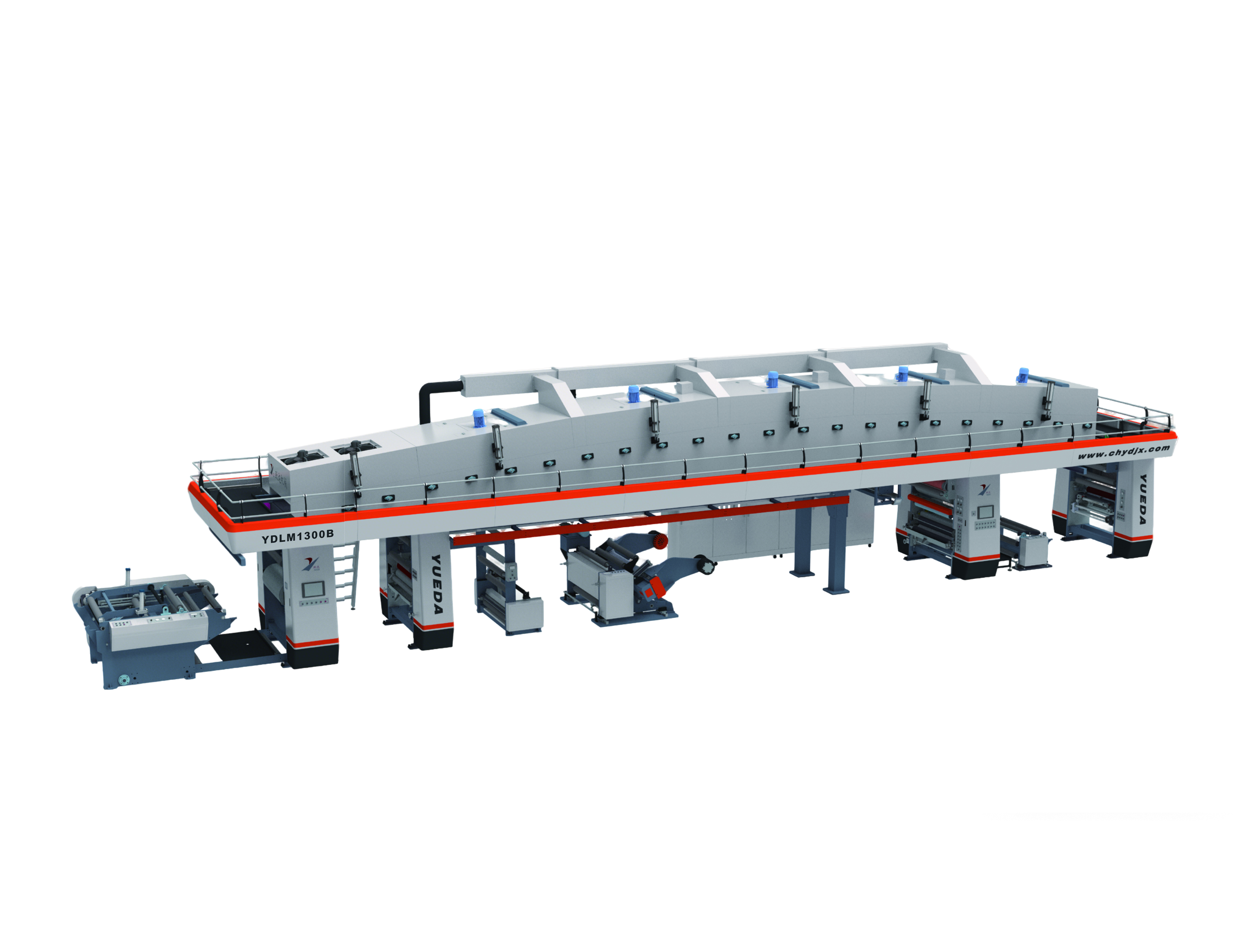
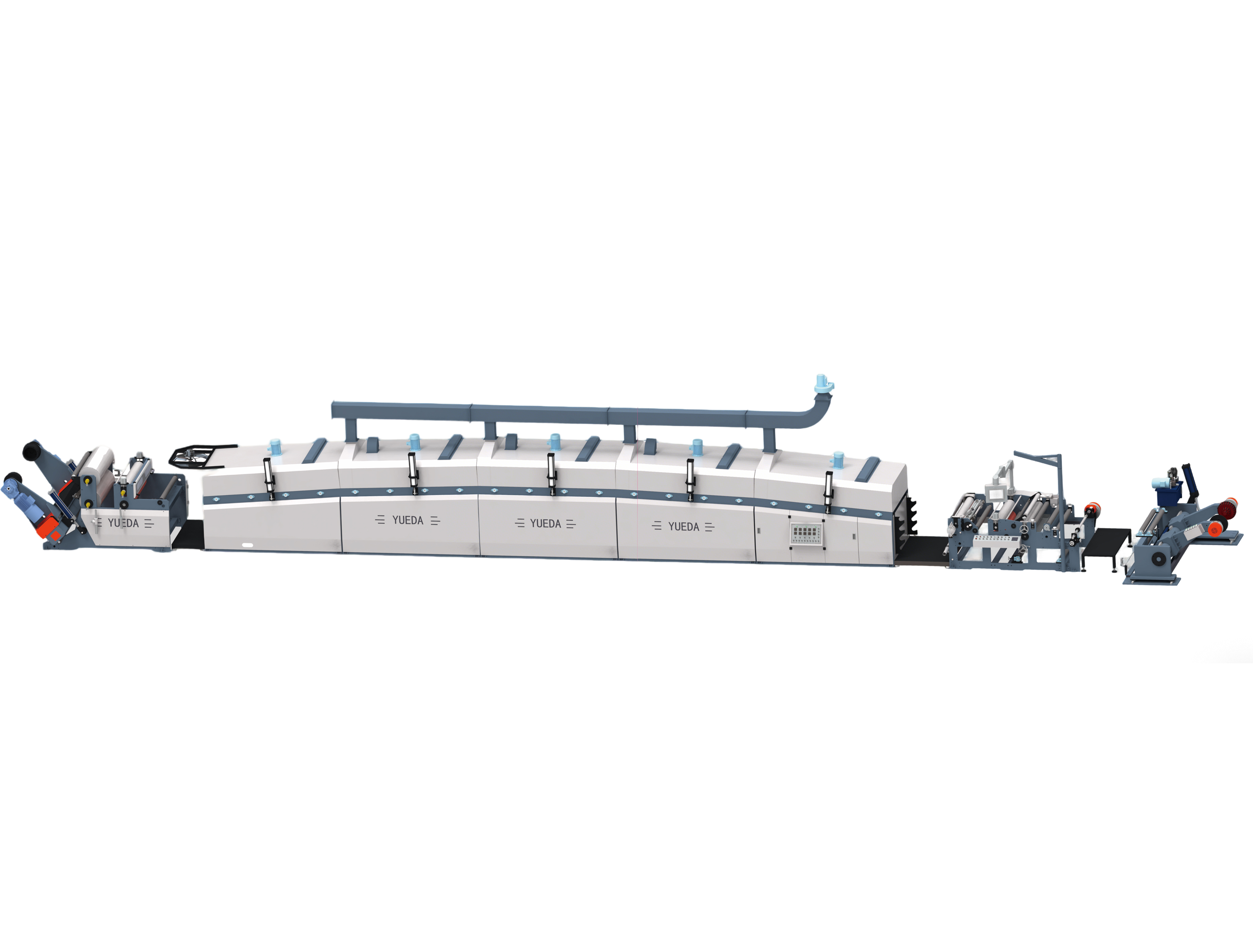
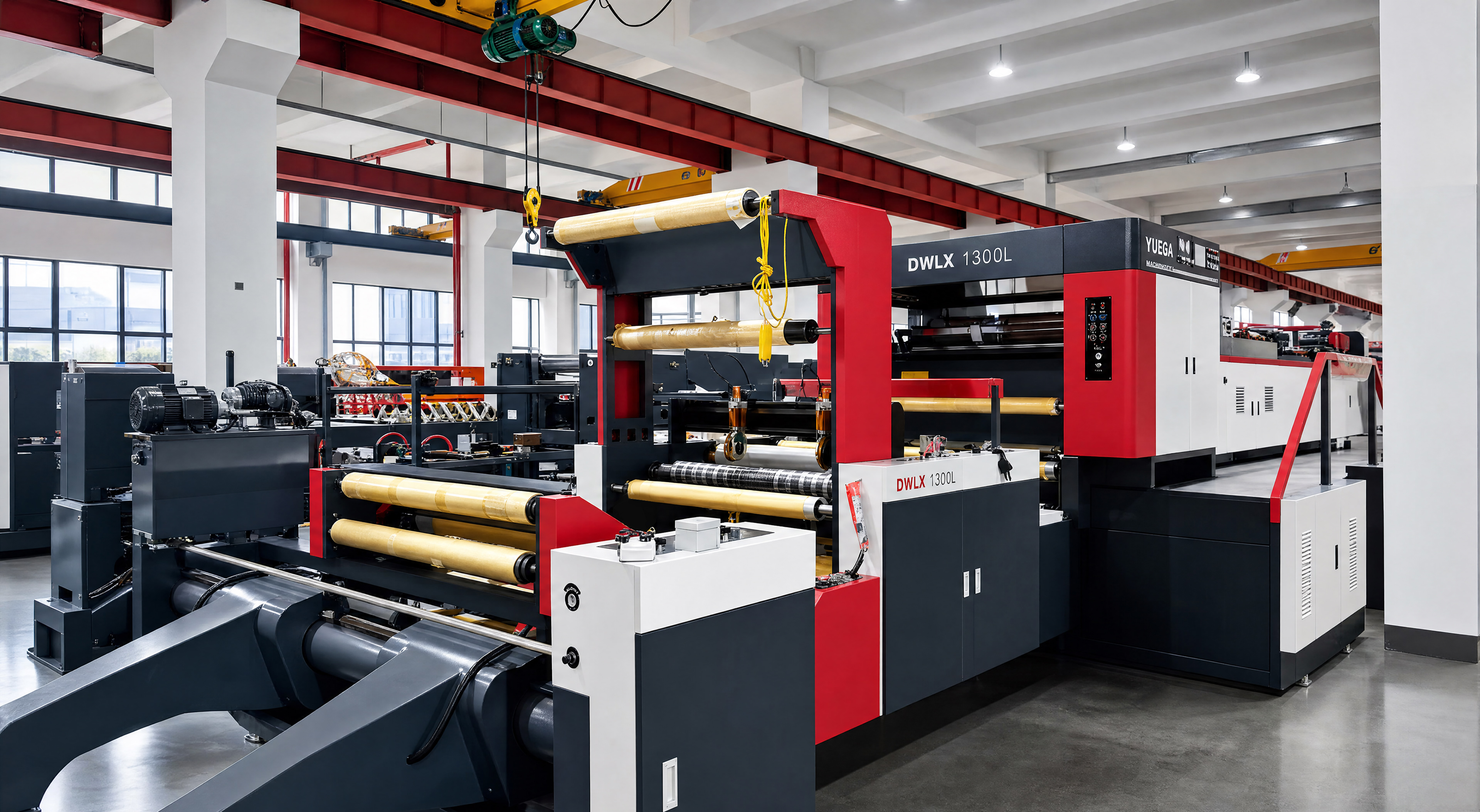
The equipment discussion should state which material combination and appearance task the buyer wants to explore. Ask Yueda to clarify the relevant laminating or coating equipment proposal, the supplied configuration and the information required for a representative review. Product photographs show equipment views; they do not establish every supported structure, operating range or result. Request confirmation for the exact proposal instead of extending a claim from a different machine or demonstration. A visual approval project becomes more informative when the machine enquiry identifies what the supplier is being asked to explain and which evidence will support the answer.
Keep sample acceptance and equipment acceptance as related but separate records. A sample can support a discussion of a proposed result without proving the complete performance of an installation. Conversely, an equipment demonstration may leave the buyer's final printed packaging appearance unresolved if it did not use the relevant design and material references. Define the purpose of each review in advance. Ask what documentation and observations will connect them. This avoids a purchasing decision based on a sample whose preparation is unclear or on a demonstration that has been interpreted more broadly than the evidence justifies.
Compare proposals against the same appearance brief wherever a comparison is intended. If suppliers use different materials or sample preparation routes, record those differences rather than attributing every visible variation to the equipment alone. Ask for clarification of the proposed scope and any options that remain unconfirmed. The buyer can then evaluate the actual combination of equipment, materials and review evidence. No particular configuration or commercial result is implied by this guide. A well-defined brief simply makes it easier to understand which questions each proposal answers and which questions still require a separate technical or commercial discussion.
Consider an illustrative packaging project comparing two silver-looking candidates for a printed outer sleeve. The buyer first identifies the two material references and marks the panel that matters to the visual approval. The design team then confirms which artwork revision should be used for the proposed printed review. Neither candidate is called approved at this stage. The record separates the appearance preference from the material and process questions still awaiting confirmation. This simple example exposes the decisions that an enquiry must communicate without assuming a production speed, a layer composition or a particular machine capability that has not been verified.
Suppose the buyer prefers one flat sample but wants to see its appearance on a representative package form. Record that as the next review step, not as a completed downstream approval. Preserve the chosen sample reference and ask the responsible packaging team to define the relevant mock-up and evaluation. If a later observation differs from the original flat-sheet impression, the records can show whether the material, artwork or preparation stage also changed. This supports a focused investigation. It does not prove a cause automatically, and it does not require repeatedly rewriting the original approval to fit the latest informal description.
Is a photograph enough to approve gold or silver cardboard lamination? It can support an initial appearance discussion, but its role should be defined. Ask which decisions require direct review of an identified physical sample or a relevant measured result. Preserve the difference between a digital concept, a photograph and the actual material being proposed. If the buyer has an established review procedure, follow that procedure through the responsible team. The important purchasing principle is to match evidence to the decision rather than treating every attractive image as interchangeable proof of the final packaging appearance or of the equipment proposal.
Should the buyer specify gold or silver by name alone? A name is a useful starting point, but it should be connected to an identifiable reference and a clear description of the intended package. Ask the supplier to confirm the proposed material structure and relevant sample information. Do not assume that a finish name establishes the layers used, the downstream process or a numerical appearance criterion. A concise brief can identify the required visible faces, the approved reference and the open questions. This gives the supplier a practical basis for proposing the next sample or technical discussion for the actual project.
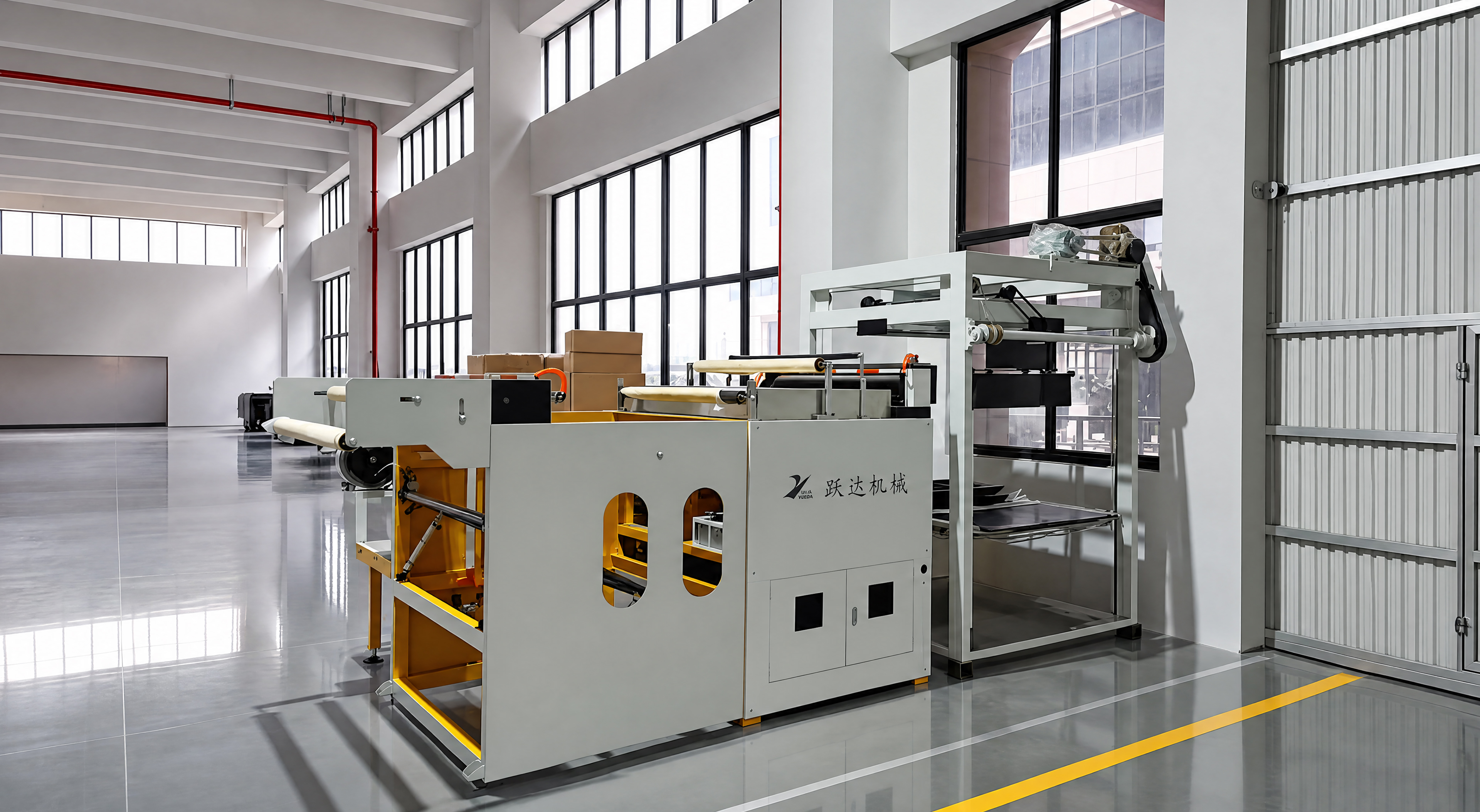
What should be sent with an enquiry to Yueda? Send the intended packaging application, identified material information, visible-face drawing, appearance reference and the questions that remain unresolved. Explain whether the review concerns a blank laminated sheet, a printed layout or a package mock-up. Ask which equipment configuration and representative evidence the supplier proposes for that task. The product and workshop images shown here provide visual context only. They do not claim a verified result for the buyer's materials, a universal capability or a completed customer project. A clear sample brief is the starting point for a more specific and evidence-based purchasing conversation.
Contact: Peter Chen/Jack Chen
Mail : peterchen@yuedamachine.com
Cellphone: +86 18767458866/ +86 19857780001
Address: Building 2, No. 1333 Times Avenue, Longgang City,Wenzhou City, Zhejiang Province China
Copyright © 2026 Wenzhou Yueda Packaging Machinery Co., Ltd. All Rights Reserved.
SitemapThis website uses cookies to ensure you get the best experience on our website.
 Español
 Portugues
 Indonesia
 Tiếng Việt



 Phone
 E-mail
Comment
(0)