

A packaging buyer may receive a sheet sample with an uneven-looking edge, a lifted corner or a shape that behaves differently from the approved reference. The next step should be a clear observation report, not an immediate diagnosis of the sheeter. A useful report connects the actual sheet, the material, the order requirement and the point at which the difference was noticed. This guide explains how to prepare that evidence for a discussion about High Precision Paper Sheeters. It focuses on purchasing trials and supplier communication, without prescribing machine adjustments, assigning a cause from a photograph or inventing a performance tolerance for a particular model.
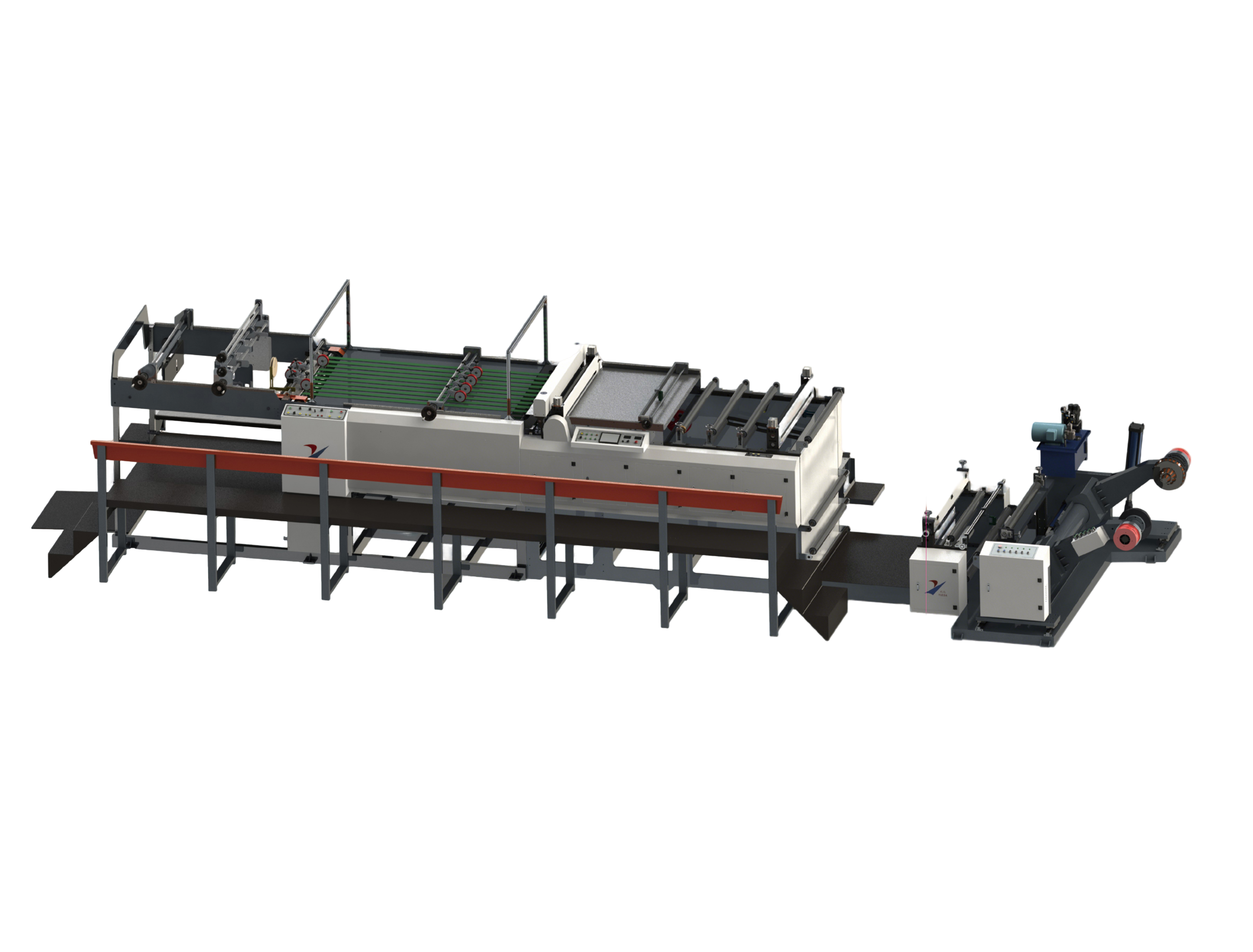
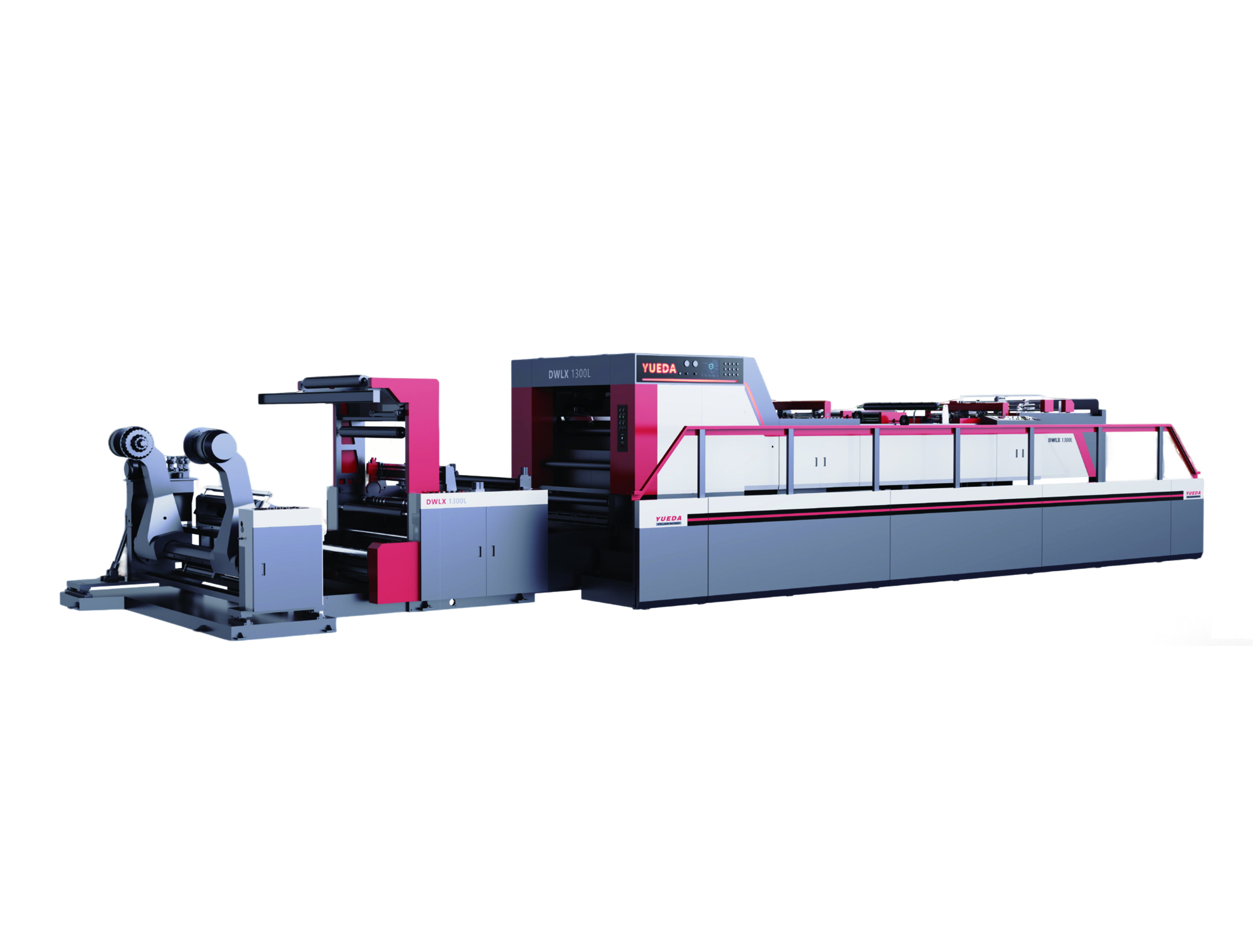
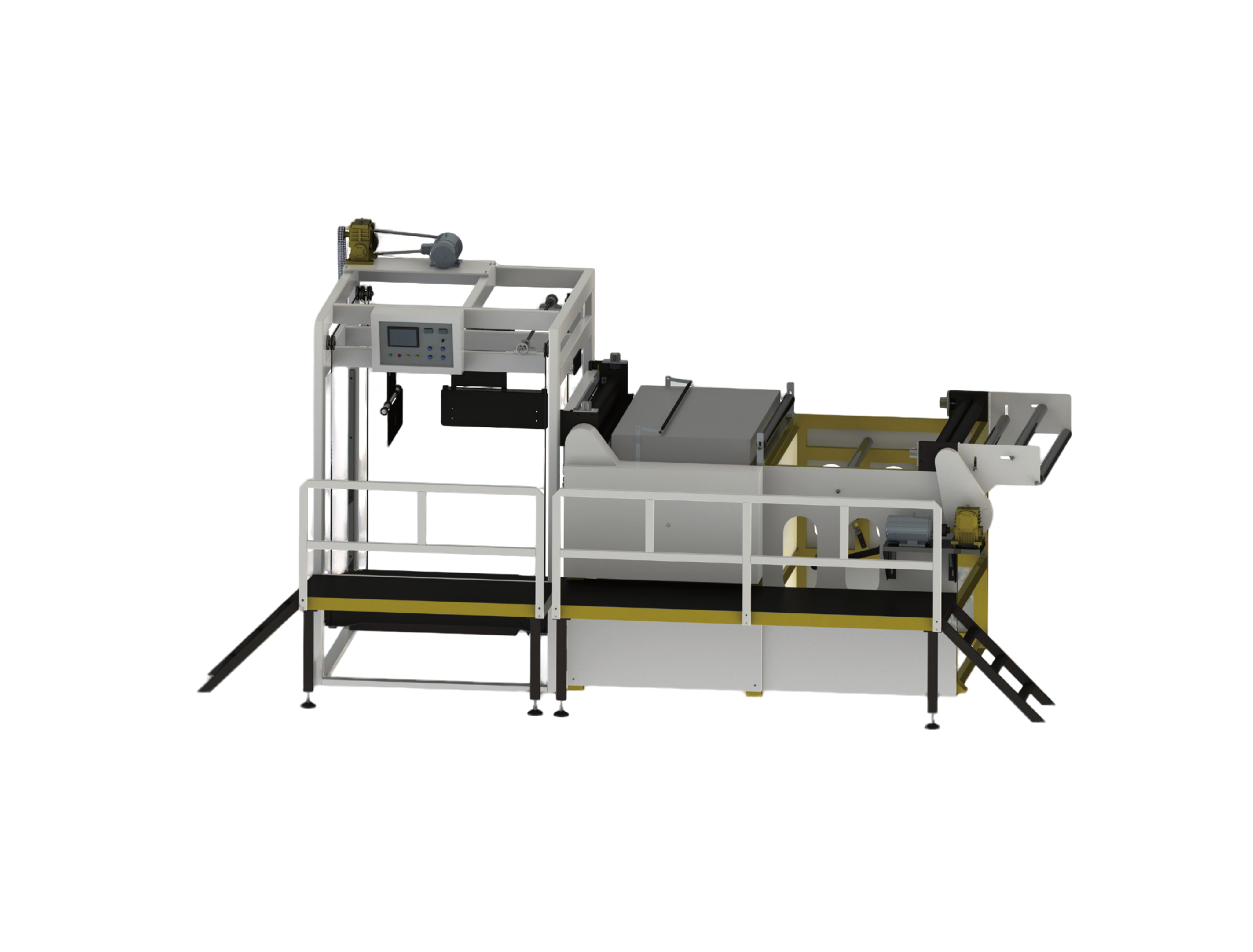
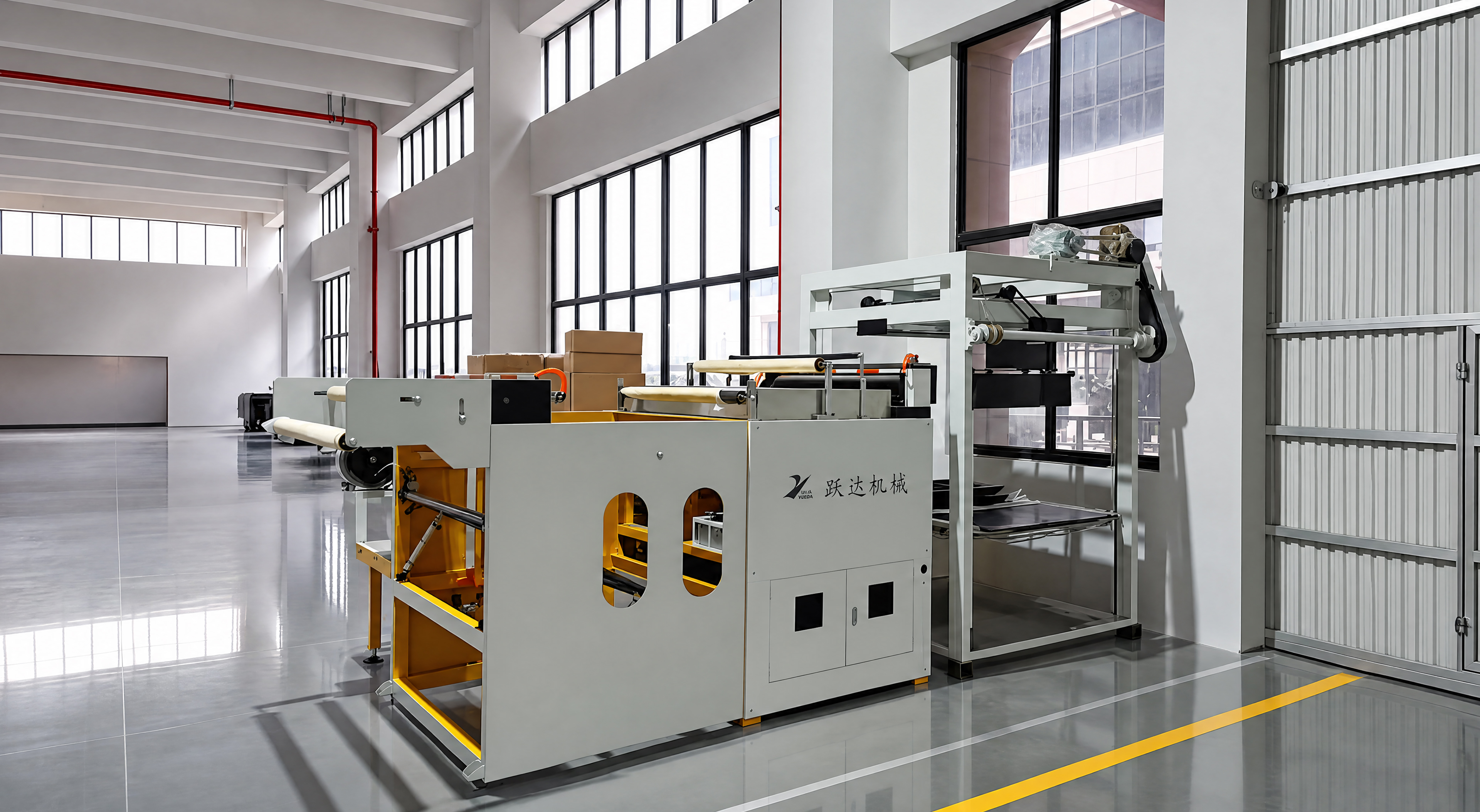
Yueda's published range includes different paper sheeting and converting equipment layouts. The product and workshop photographs here show examples from that range; they do not demonstrate the origin of a defect or prove identical capabilities across models. Identify the exact machine and configuration involved before requesting technical advice. Where operating checks, maintenance or adjustments are needed, follow the applicable model documentation and the supplier's authorized support process. A buyer can still make the technical conversation much more useful by describing the sheet correctly and preserving the relevant evidence. That preparation helps separate an observable result from the several unconfirmed explanations that people may initially suggest.
Retrieve the approved job specification and sample reference. Establish which sheet characteristics matter to the next process and how the buyer agreed to assess them. Dimensions, orientation, surface appearance, edge condition and flatness are related purchasing concerns, but they should not be collapsed into one statement that the sheet quality is poor. A sheet may satisfy one requirement and leave another unresolved. If the order contains no agreed criterion for the disputed feature, identify that gap openly. The parties may need to agree a suitable comparison method before deciding whether a difference is acceptable, rather than introducing a new numerical limit after production has taken place.
Keep three statements separate in the report: what was required, what was observed and what remains uncertain. The requirement may come from an approved drawing or physical reference. The observation may be a measured dimension or a visible feature on an identified sheet. The uncertainty may concern when the feature developed or whether it affects the receiving process. This structure prevents a working assumption from entering the record as a confirmed fault. It also lets the supplier respond to a focused question instead of trying to infer the order conditions from a message containing only a close photograph and an urgent request to fix it.
Assign a sample reference that connects the sheet to its order, material lot and available production record. Use the buyer's existing identification system where possible rather than creating a second incompatible set of numbers. Record the relevant sheet format and the supplier's declared material description. If the sample came from a trial rather than normal production, state that clearly. A demonstration sample, an incoming inspection sample and a sheet taken after another process may answer different questions. The report should show which one is being discussed so neither party assumes that a feature observed later was necessarily present at the sheeter's delivery point.
When several sheets are supplied, describe how they were selected. A few intentionally chosen examples can illustrate a concern, but they do not establish how frequently it occurred across the entire lot. A representative selection needs an appropriate method agreed for the purpose. Do not write that every sheet is affected unless the available inspection evidence supports that statement. Likewise, do not dismiss a genuine concern merely because another sheet looks satisfactory. Retain both the affected examples and useful comparison pieces, with their identities intact. The difference between those samples may help define the next question even when it does not yet establish a technical cause.
Describe what is visible along the edge without naming a mechanism prematurely. The buyer might observe a local torn-looking area, a repeating mark, loose particles, a rough section or a difference between two edges. Specify the location and extent using an agreed reference to the sheet. Words such as damaged, defective or inaccurate may express a commercial concern but leave the supplier without enough information to investigate it. A neutral description can still be firm: it should identify the feature, its relationship to the approved requirement and the practical consequence reported by the receiving department, while reserving the cause for an evidence-based technical review.
Avoid treating every visible edge difference as a dimensional issue. A sheet can look untidy while measurements remain within the agreed dimensional criterion, or it can look clean while a relevant dimension does not match the order. Record the two assessments separately. If loose material is observed, note how and where it was seen rather than inventing a contamination or machine-wear explanation. Photograph a wider area as well as the close detail so the reader can understand the scale and orientation. Where handling could alter the sample, preserve it through the buyer's normal procedure and ask the supplier how it should be presented for further evaluation.
Terms such as curled, wavy or bowed are useful starting descriptions, but people may use them differently. Explain which part of the sheet lifts, how the sheet was positioned and whether the observation concerns one sheet or a stack. If a measurement is necessary, agree a suitable method and reference surface with the responsible technical parties. This guide does not assign a universal flatness limit or a standard procedure to all paper grades. The important first step is to make the observation repeatable enough that a second person can understand what was recorded and distinguish it from a different way of placing or viewing the same sample.
Do not flatten, fold or otherwise change the only retained example merely to make a photograph easier to take. If the established assessment procedure involves a particular preparation, record it and keep an appropriate comparison sample where practical. A report should distinguish the sample's received condition from its condition after an evaluation. That distinction is especially valuable when the concern appears at a later department. The supplier needs to know whether the visible feature was observed immediately, after storage or after additional handling. Those timing details do not establish a cause by themselves, but omitting them can make an otherwise careful comparison difficult to interpret.
Give the sheet a consistent orientation in the record. Identify the edges and the face being viewed using a simple sketch or an agreed written convention. Include any known relationship to the roll or the order's orientation requirement, while marking unknown information as unknown. Do not infer grain direction or machine travel direction from an unlabelled photograph. When the receiving department rotates a sample for its own process, preserve the relationship between its labels and the original record. This makes it possible to compare observations without confusing a change in viewpoint with a change in the physical feature being discussed.
Use the same orientation across photographs, measurement notes and sample labels. If one image is deliberately rotated to show a detail, identify that change in its caption. A simple sheet diagram can show the location of a mark more clearly than several messages referring to this side or that corner. Keep the diagram descriptive and avoid drawing a proposed machine cause onto it as though it were established. A good location record helps the supplier formulate an appropriate next check. It also reduces the risk that an independent inspector examines a different edge and reports no issue, leaving both parties talking about different parts of the sample.
Prepare a small sequence of images with distinct purposes. Show the complete sample and its reference, a wider view of the feature's position, and a closer view where useful. Include an appropriate scale reference if the technical parties require one, taking care that it does not obscure or alter the feature. Record the lighting and viewing arrangement sufficiently to repeat the comparison. Do not use image enhancement to exaggerate or remove the disputed appearance. A clear photograph supports communication, but it is not automatically a calibrated measurement or proof that the physical sample will present the same way under every viewing condition.
When a feature is difficult to photograph, say so and describe the limitation. A supplier may need the physical sample or a different agreed view. Several poor photographs do not become decisive evidence merely through quantity. Avoid circulating only a tightly cropped image that removes order identity and makes a small local feature appear representative of the whole lot. Equally, a broad image should not be used to conceal a real close detail. Preserve the relationship between context and detail in the file names or report structure. The recipient should be able to locate the same area on the retained sample without guessing which photograph belongs to which sheet.
Include the material identity used on the order, the relevant supplier declaration and any known lot reference. State whether the reported sample uses the intended production stock or a substitute trial material. A similar nominal weight or colour does not prove that two stocks are interchangeable. If a material property is unknown, leave it open for confirmation rather than borrowing a value from another order. A sheeter supplier can review the observation more effectively when the report identifies the actual stock and the scope of the proposed machine. General material names alone may not describe the combination that was present when the sample was produced.
Separate declared information from independently observed or measured information. The buyer's record may contain both, and neither should be quietly relabelled. If a different roll or stock is proposed for a comparison trial, document the intended change before starting. The result may answer whether the observation also appears in that new case, but it does not automatically explain why the original sample differed. Keeping those boundaries clear helps both parties use comparisons constructively. It avoids a sequence of uncontrolled changes in which a satisfactory sheet eventually appears but nobody can identify which conditions changed or whether the original purchasing requirement has actually been met.
Identify the earliest confirmed point at which the feature was noticed. Possible records might relate to a trial sample review, an output inspection, a stored stack or a downstream process. Do not assume that the first person to report an issue was the first person to encounter it. Ask which prior inspection records or retained samples are available. A timeline should contain documented events and clearly labelled gaps. The purpose is not to assign blame to a department. It is to establish what evidence exists at each stage and what additional observation could help distinguish between a feature present earlier and one that was only confirmed later.
Record relevant handling and storage information that the buyer can actually verify. Do not fill the timeline with guessed conditions or retrospectively precise figures that nobody measured. If a container or stack was moved, note the known event and the available identification. If an environmental record is relevant and available, provide it with its source rather than assuming a causal relationship. The technical review can then decide which factors merit attention. A careful report avoids both extremes: claiming that the machine must be responsible because it produced the sheet, or claiming that later handling must be responsible because the issue was discovered away from the machine.
Ask the receiving department to describe the practical effect separately from the sheet's appearance. It may report difficulty presenting the stack, an interruption to its own procedure or an appearance concern raised during approval. Record the exact process and affected sample reference. Do not assume that a visually noticeable feature necessarily prevents use, or that an apparently minor feature cannot matter to a particular application. The commercial decision should use the customer's agreed requirements and relevant process evidence. This allows the buyer to explain the urgency without exaggerating the observation into an unsupported statement that an entire machine type is unsuitable for packaging work.
Where the receiving process has its own changes or settings, identify the information available without prescribing adjustments. The report should show what happened and which qualified people can evaluate it under their procedures. Keep the sheeter enquiry within the confirmed scope of the proposed equipment. A supplier may need cooperation from another department or another equipment provider to understand a downstream concern. That is a normal boundary to clarify rather than a reason to invent an answer. The purchasing team can help by maintaining one connected sample record so technical correspondence does not split into several conversations using incompatible descriptions and different examples.

Lead with the exact product or machine reference, the order requirement and a brief neutral description of the sample. Add the sample identity, material information, observation location and relevant photographs. Then ask the specific question you need answered. For example, the buyer may ask what additional sample evidence is required, whether the agreed requirement is within the proposed configuration's documented scope, or how an authorized trial could be arranged. Avoid asking the supplier to diagnose a cause conclusively from a photograph alone. A concise structured message allows the support team to identify missing evidence and route the enquiry appropriately without making unsupported assumptions about the installation.
State the commercial deadline and the current disposition of the lot, but do not let urgency erase uncertainty. Explain whether material is on hold under the buyer's process, whether a comparison sample is available and who can authorize the next review. Attach relevant records rather than a large collection of unrelated production files. Keep confidential customer artwork and other unnecessary information out of the technical packet unless it is authorized and required for the question. The aim is a workable evidence set: enough context to investigate the observation, with the original requirement preserved and a clear owner for decisions about samples, further evaluation and order release.
A useful follow-up comparison answers a stated question. Agree which sample, material, format and observation method will be used, and identify the change being investigated. Qualified personnel should perform machine work under the applicable instructions. This article provides no adjustment sequence and no permission to bypass safeguards for a trial. If several factors must change together, record that limitation so the result is not attributed to one factor alone. The buyer should know in advance what evidence would support the next decision and what outcome would still leave the question unresolved. Otherwise, another run can consume time and stock without making the purchasing or quality decision clearer.
Record both satisfactory and unsatisfactory examples from the agreed comparison in the appropriate way. A single selected good sheet should not replace the full result, just as a selected poor sheet should not imply a frequency that was never assessed. Link the new observation to the original issue reference and state which conditions were comparable. If the concern does not appear again, describe the scope of that finding rather than declaring a permanent cure without supporting evidence. The report can still justify a practical next step, such as further review or an agreed release decision, while remaining honest about the conditions that have and have not been evaluated.
When a value is reported, include its unit and the method used to obtain it. State whether the figure is a supplier declaration, a shop-floor observation or a result from an agreed inspection process. Avoid adding decimal places merely to make a report appear more precise. If two reviewers obtain different readings, compare their reference points and procedures before treating the difference as a product change. Keep the original notes available alongside any later summary. This makes numerical information useful in the same way as a well-labelled photograph: it shows what was actually assessed and lets the responsible technical people decide whether the evidence is sufficient for the question being investigated.
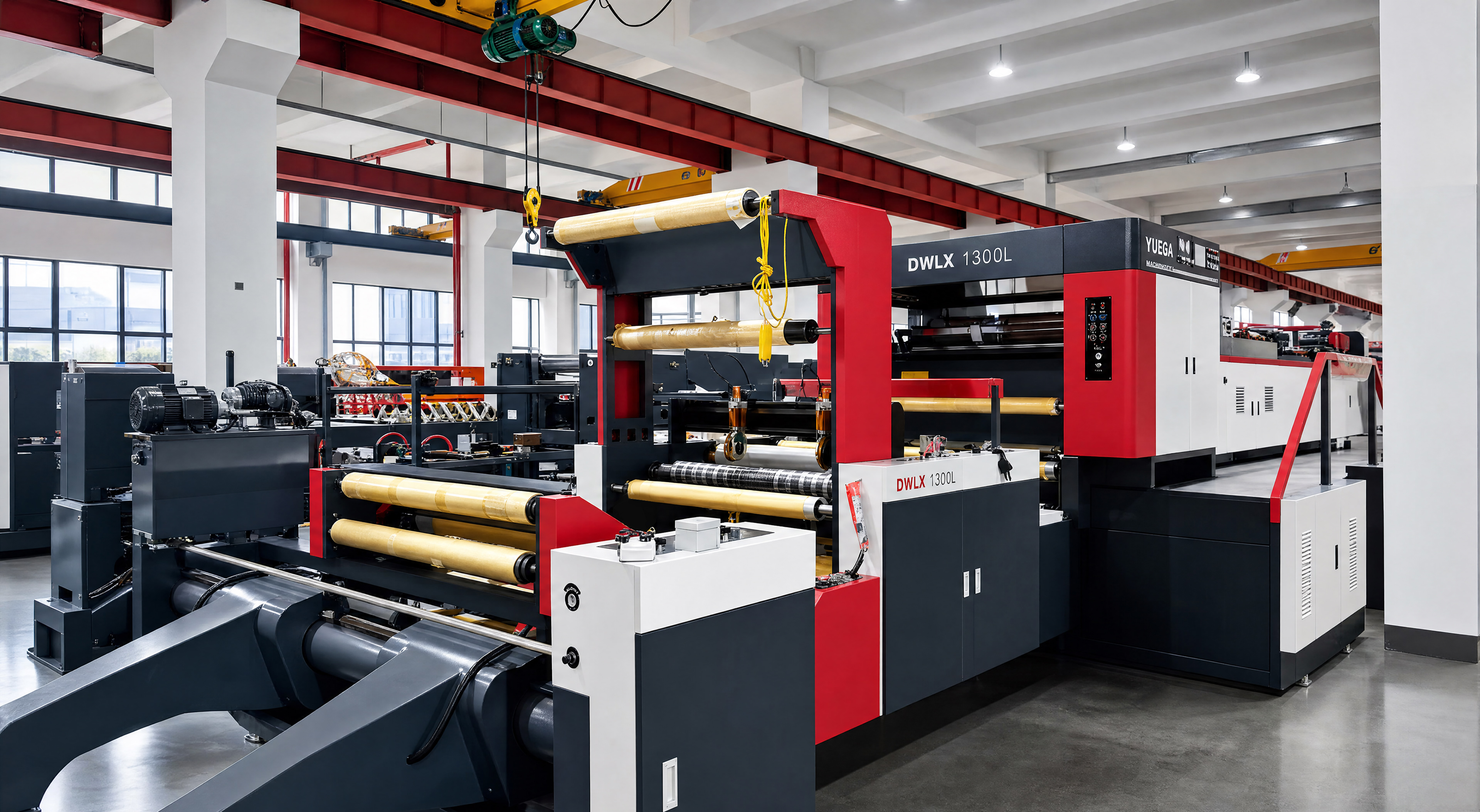
Can a photograph prove that a sheeter caused a rough edge? A photograph can show an appearance feature under a particular view, but it usually cannot establish the complete history or technical cause by itself. Preserve the sample identity, material information, order requirement and available timeline. Ask the supplier which additional evidence is needed for the exact machine and configuration. Keep observations and possible explanations in separate parts of the record. This makes the enquiry stronger because the technical team can investigate a defined question without first undoing an unsupported diagnosis that has already been repeated across the purchasing and production departments.
Should a buyer specify one flatness limit for every stock? A purchasing requirement needs to fit the actual application and an agreed assessment method. This guide supplies no universal number for all grades and formats. Discuss the intended downstream use, representative materials and suitable acceptance criteria with the responsible technical parties. If an existing order lacks a criterion, record that gap and resolve it before treating a new expectation as an established contractual requirement. A consistent method and a traceable approved sample may be useful components of the agreement, but neither should be described more broadly than the evidence and scope that both parties have actually accepted.
What if the supplier asks for another sample? Ask which question the additional sample is intended to answer and how it should be identified, handled and presented under the relevant procedure. Provide a representative example where possible, while retaining the record of the original observation. If the replacement uses different stock or comes from a later stage, make that difference clear. Do not quietly substitute a more convenient example and call it the original. The purpose of sending material is to improve the evidence available for the review. A sample without its identity and history can create a new ambiguity instead of resolving the existing one.
How should the issue be closed? Record the agreed disposition, supporting evidence, responsible decision maker and any continuing limits. The closure may involve an accepted sample, a clarified requirement, further technical work or another documented outcome appropriate to the case. Do not overwrite the original observation so that the record suggests the concern never existed. Preserve the sequence and identify which information changed the decision. This is useful for repeat orders and future equipment discussions because the buyer can distinguish an approved application from an assumption that all later jobs, stocks and configurations will necessarily reproduce the same result.
A clear sheet observation report is a practical purchasing tool. It connects an identified sample to a real requirement, distinguishes appearance from measurement and gives the supplier a focused question supported by useful evidence. When discussing high precision paper sheeters with Yueda, bring the intended stock, sheet format, downstream use and representative examples into the conversation. Keep unverified causes and universal performance claims out of the conclusion. The resulting exchange can define a more relevant trial or support review, while the buyer retains a record of what was observed, what was confirmed and what still needs an appropriate technical decision.
Contact: Peter Chen/Jack Chen
Mail : peterchen@yuedamachine.com
Cellphone: +86 18767458866/ +86 19857780001
Address: Building 2, No. 1333 Times Avenue, Longgang City,Wenzhou City, Zhejiang Province China
Copyright © 2026 Wenzhou Yueda Packaging Machinery Co., Ltd. All Rights Reserved.
SitemapThis website uses cookies to ensure you get the best experience on our website.
 Español
 Portugues
 Indonesia
 Tiếng Việt



 Phone
 E-mail
Comment
(0)