

Buying laminating and coating equipment also creates a practical purchasing question: what materials and consumables must be available for the intended work to begin? A machine quotation, a film quotation and an adhesive proposal can describe different scopes, even when each document sounds complete. The buyer needs a shared brief connecting the exact equipment configuration, the intended substrate and the proposed consumable references. This article explains how to organize that discussion before a trial or production order. It supplies no adhesive recipe, operating setting or universal material recommendation; those decisions require confirmation for the particular product combination and the applicable supplier instructions.
Yueda's published product range includes lamination equipment and other paper converting machinery. The photographs here show product layouts and workshop views from that range, rather than a guarantee that every pictured machine accepts the same films, adhesives or job materials. Identify the model and proposed configuration first. Then ask which material combinations are documented, which remain proposals and which should be evaluated through an agreed trial. A clear consumables brief helps purchasing, production and the suppliers work from the same references. It also prevents a successful demonstration with one combination from becoming an unsupported approval of all materials sold under a familiar commercial description.
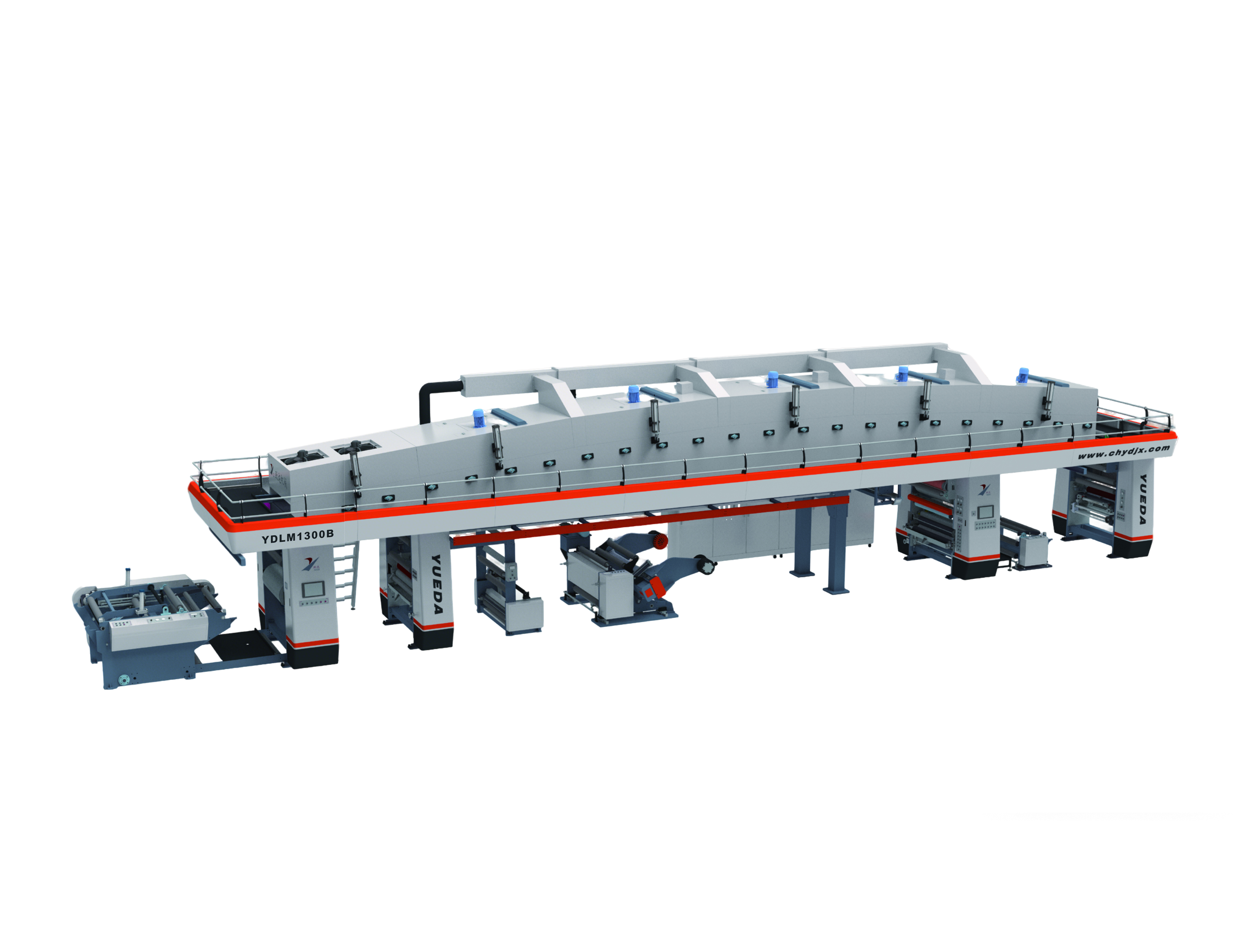
Describe the finished material or packaging component that the business intends to produce. Record the substrate identity, the required surface appearance, the relevant format and the next manufacturing step. Include an approved sample or drawing where one exists. Terms such as glossy, matte or protective can be useful starting points, but they may need a physical reference or a more precise project requirement. Keep a customer's requested outcome separate from a claim that the proposed equipment already delivers it. The initial purchasing task is to communicate the intended application clearly enough that the equipment and consumable suppliers can confirm the scope they are actually proposing.
Make the application boundaries explicit. A decorative paperboard sample, a printed sheet and another packaging substrate may involve different requirements even if the business calls them all lamination jobs. Do not transfer an answer from one construction to another without checking the relevant differences. Where the buyer has several planned products, group them into a manageable application list and identify representative samples. This gives the suppliers a clearer basis for discussing the range. It also reveals whether the project is seeking one confirmed production combination, several separately approved combinations or an initial trial intended to establish what further evidence is needed before ordering.
Record the exact machine reference and the version of the quotation being discussed. Ask the equipment supplier to distinguish standard equipment, proposed options and items supplied separately. A product family name is not a substitute for the offered configuration. If the proposal includes components that affect material handling or the supported process, have them identified in the formal scope. Avoid inferring those functions from a photograph. The purchasing brief should let a consumable supplier understand which documented equipment arrangement is involved, while giving Yueda the opportunity to clarify whether a proposed material falls within that arrangement or needs a different discussion.
Keep equipment capability, consumable suitability and finished-product acceptance as separate confirmations. One party may be able to describe a material's intended use without confirming the whole machine installation, while another can explain the machine configuration without endorsing every proposed adhesive. Assign each unanswered question to the appropriate supplier or responsible technical person. This is a practical way to close gaps rather than an excuse to leave responsibility vague. The buyer should be able to see who has confirmed each part of the proposal and which combination has actually been evaluated together before treating the project as ready for a production purchasing decision.
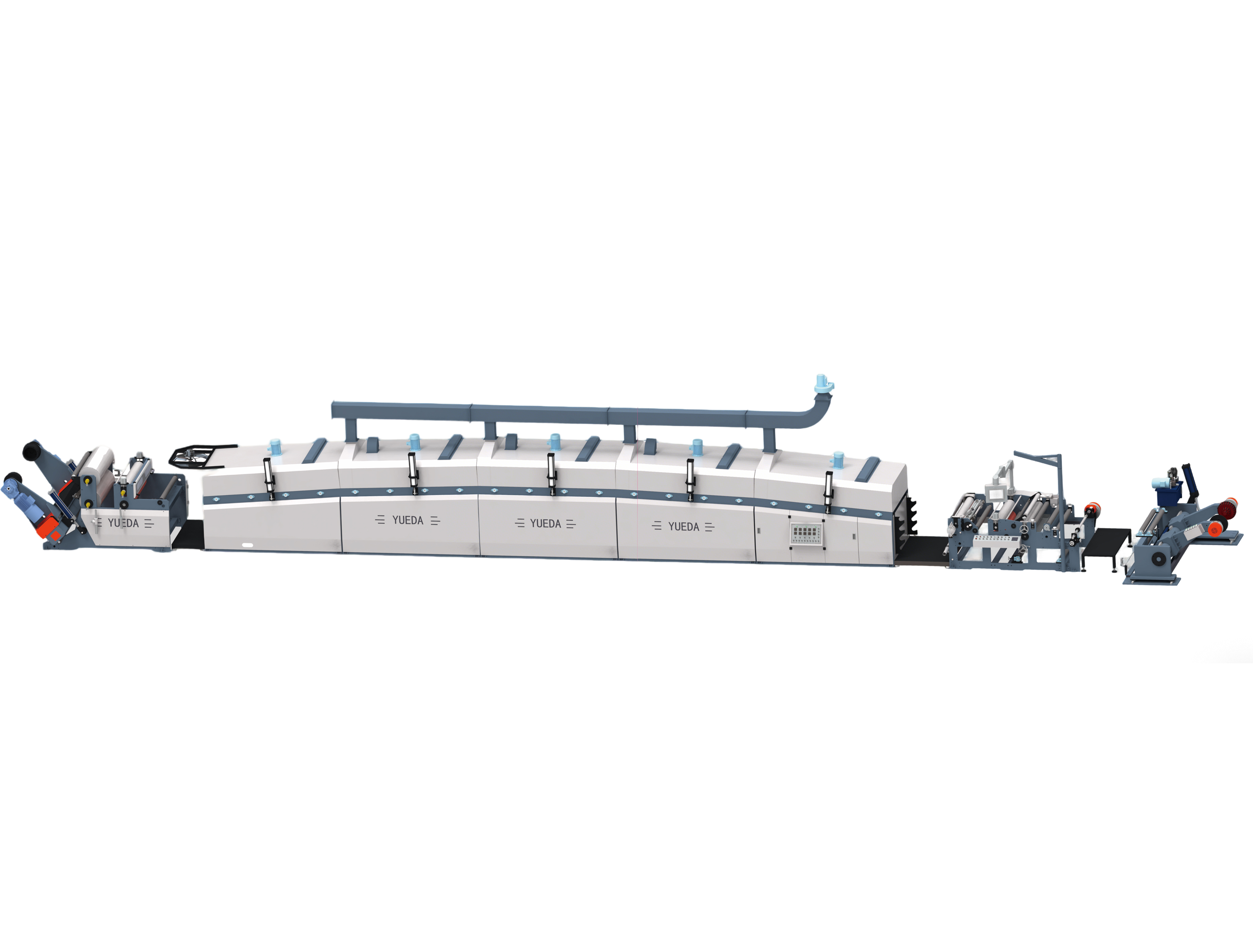
Use the substrate reference recognized by the buyer's purchasing and production teams. Include the declared grade, relevant dimensions and any known surface or printing information required for the application discussion. Mark unavailable properties as pending instead of borrowing values from a similar stock. A common name does not establish an identical construction or response across all suppliers. Where the intended trial uses a substitute material, identify that difference clearly. The resulting observation may still be useful, but it should not be reported as complete confirmation of the production substrate if that exact material was not present in the agreed evaluation.
Preserve the relationship between the substrate declaration and the physical sample. A supplier evaluating an unlabelled sheet may not know which quoted material it represents. Use a sample reference linked to the enquiry and retain an appropriate comparison piece where practical. If several batches are being discussed, keep their identities separate rather than merging them into one generic description. The aim is not to collect unnecessary paperwork. It is to make it possible to answer a straightforward later question: which substrate, film and adhesive references were present when the buyer reviewed the finished sample and made the approval decision?
Ask the film supplier to identify the proposed product rather than offering only a general finish description. Record the product reference, the dimensions relevant to supply and any other information needed by the equipment supplier to review the proposal. Keep stated properties and independently verified results clearly labelled. A photograph can illustrate appearance, but it cannot establish every material characteristic or prove compatibility with a particular process. If more than one film option is offered, assign separate references and compare each against the same application brief. This avoids selecting an attractive sample and later discovering that its underlying construction differs from the quoted supply option.
Clarify which film details are fixed and which remain open to supplier recommendation. A buyer may know the intended finished appearance but still need the suppliers to propose a suitable construction. That is a legitimate enquiry when the uncertainty is stated openly. It becomes a problem when an assumed value is inserted into the order and treated as a confirmed requirement. Ask the relevant suppliers what information they need to evaluate the exact combination. Retain their response with the proposal version so purchasing can distinguish a documented selection from a preliminary suggestion that still requires samples, technical review or further confirmation.
Request the exact adhesive product reference and the supporting information applicable to its proposed use. If a supplier recommends a system with multiple components, have the proposal identify its scope clearly without attempting to create your own formulation. The buyer should obtain and follow the relevant manufacturer instructions through qualified personnel. This purchasing guide does not prescribe mixing, application or handling procedures. Its purpose is to ensure that a consumable described in a quotation can be traced to the product information used in the technical discussion, and that the proposed combination has not been reduced to a vague instruction to buy a similar glue locally.
Clarify who will confirm the suitability of the adhesive for the intended substrate, film and equipment configuration. A commercial product name alone should not be taken as approval for every job in the buyer's range. Where an alternative is proposed, identify it as a separate candidate rather than describing it as the same material because its appearance or packaging is similar. Keep unresolved compatibility questions visible before a purchase order is released. This helps the buyer avoid an incomplete handoff in which the machine supplier assumes one consumable and the material supplier assumes another, while neither has reviewed the exact production combination being considered.
A trial allocation and an initial production allocation serve different purposes. Identify which quantities are intended for sample evaluation, operator training under the applicable procedures, demonstration or customer production. Do not assume that material left from a demonstration is automatically released for the first commercial job. Its identity, condition and approval status need to remain clear through the buyer's normal process. The purchasing brief should show what the trial is expected to establish and which later quantity decisions depend on its outcome. This keeps an early sample exercise from being mistaken for a complete forecast of routine material demand.
Ask what is included in the equipment offer and what the buyer must arrange separately. If trial film, adhesive or substrate is mentioned, request its reference, quantity basis and ownership of the sourcing task. A phrase such as materials provided is too broad when different parties interpret it differently. Record whether the offer includes only a demonstration allowance or any separately agreed startup supply. This article makes no assumption that Yueda supplies a particular consumable package with every machine. The commercial scope should come from the actual proposal, with enough detail that the buyer can prepare a realistic readiness list without filling gaps from expectation.
Record the unit used for each quoted item and clarify how it relates to the buyer's purchasing and production records. A roll, a package, a weight unit and a nominal length are not interchangeable descriptions. Ask the supplier to explain the relevant basis rather than applying an unverified conversion. Where two offers use different units, retain the original figures and request a common comparison basis. An apparently lower price may describe a different amount or construction. The aim is a transparent comparison of the same proposed scope, not an invented benchmark for what film or adhesive should cost in the market.

Keep nominal, delivered and usable quantities distinct where the project requires that distinction. A quantity shown on an offer may have a defined supply basis that differs from an internal consumption estimate. Ask which documentation will identify the actual delivered product and quantity, and how any discrepancy should be reported. Do not infer the commercial terms from the appearance of the package. The purchasing team needs an agreed description that can be checked on arrival. This is especially useful when several consumable products are supplied together, because a generic receiving entry can hide a mismatch that only becomes visible when the production team prepares the intended job.
Build initial demand estimates from the buyer's intended work and clearly labelled assumptions. State the planned job mix, the relevant material formats and the purpose of any allowance. A machine's rated speed does not directly establish a reliable monthly consumables order. Nor does one short trial prove the consumption expected across every substrate and finish. Ask the suppliers what information is needed to make a meaningful estimate for the proposed combination. Keep any preliminary recommendation separate from a verified production record, and identify when the buyer expects to revise it after obtaining more representative evidence from the actual approved applications.
When trial observations are available, record their boundaries before using them for purchasing. Identify the materials, the output basis and which preparation or evaluation activities were included. Distinguish material used for accepted output from material used for setup or investigation where the buyer's procedure requires that separation. Avoid converting an isolated observation into a universal waste percentage or a guaranteed yield. A useful estimate can remain provisional while still supporting a practical decision about what must be available for the next approved job. The purchasing record should explain the calculation well enough that another colleague can update it when the job mix or material proposal changes.
Coordinate the arrival of confirmed consumables with the machine and the agreed trial plan. Ask each supplier to confirm its actual commercial delivery basis and responsibilities for the specific order; this guide provides no standard lead time. A machine can be physically present while the intended evaluation remains unready because the substrate, film or adhesive reference has not been approved or supplied. Keep those dependencies in a simple readiness list. The relevant question is whether the required identified materials and responsible people will be available for the agreed activity, rather than whether every purchase order happens to carry the same optimistic target date.
Check receiving arrangements before delivery. Identify who will verify product references, package condition, quantity documentation and the instructions associated with the supply. Use the manufacturer's specified storage and handling requirements through the responsible site process; do not substitute generic conditions from a buying article. If the site cannot meet a requirement, raise that issue before accepting a proposed supply plan as workable. The purchasing brief should capture the need for confirmation and the person responsible for it. It should not imply that all consumables can be stored together or used indefinitely simply because they are intended for the same equipment project.

Connect the approved combination to the relevant product and batch information available from the suppliers. This helps the buyer distinguish a repeat supply of the agreed product from an unreviewed alternative. The degree of traceability should fit the project and the buyer's established process. Do not invent a certificate or assume that a general supplier declaration covers every delivery. Ask which product documentation is actually available and how it relates to the proposed order. A clear reference set can support later enquiries about appearance or application behaviour without requiring the team to reconstruct the material identity from packaging photographs and old informal messages.
Maintain an approval status beside each candidate. A material may be proposed, received for evaluation, approved for a particular application or awaiting clarification. Those states should not be merged into a single available category. Someone preparing a job needs to know whether a physically present item is the correct released material. Where an item is held under the buyer's procedure, keep its identity and reason visible to the responsible people. This is an organizational control, not a claim that the machine automatically recognizes consumables or prevents every incorrect combination. Any such equipment function must be confirmed separately for the exact offered configuration.
A later proposal may change the film, adhesive, substrate or another relevant part of the combination. Record the proposed change and ask the appropriate suppliers whether the existing evidence still applies. A familiar description or a similar package does not establish equivalence. Do not silently approve a substitution only in the purchasing system while production continues to use the original material reference. The review should identify the new scope, the reason for the change and the evidence needed before release. This keeps a commercial alternative from becoming an undocumented technical decision whose consequences are only discussed after the finished sample looks different.
Evaluate meaningful changes against the intended application rather than restarting every activity automatically. Some changes may require another representative trial or additional product information, while others may be explained adequately within the agreed specification. The responsible technical parties should determine that scope using the available evidence. Preserve the earlier approval as history and identify the new version clearly. This makes repeat purchasing more efficient without treating past success as a blanket guarantee. It also gives the buyer a defensible explanation when a proposed alternative is held for review: the issue is the relevance of the existing evidence to the actual changed combination.
A comparison worksheet can give each candidate combination its own row, linked to the equipment quotation version and the application sample. Use separate columns for substrate, film, adhesive, included trial materials, buyer-supplied items and outstanding confirmations. Mark a blank field as unresolved rather than treating it as included at no cost. When a supplier revises an offer, ask which row and references have changed. This makes it easier to compare a complete proposed route with another complete route instead of combining the most attractive statements from incompatible options. Have production review the selected row before purchasing releases the related orders. The useful outcome is one identifiable combination whose sourcing responsibilities and approval limits are understood by all involved parties, with the supporting documents available to the people preparing the actual work.
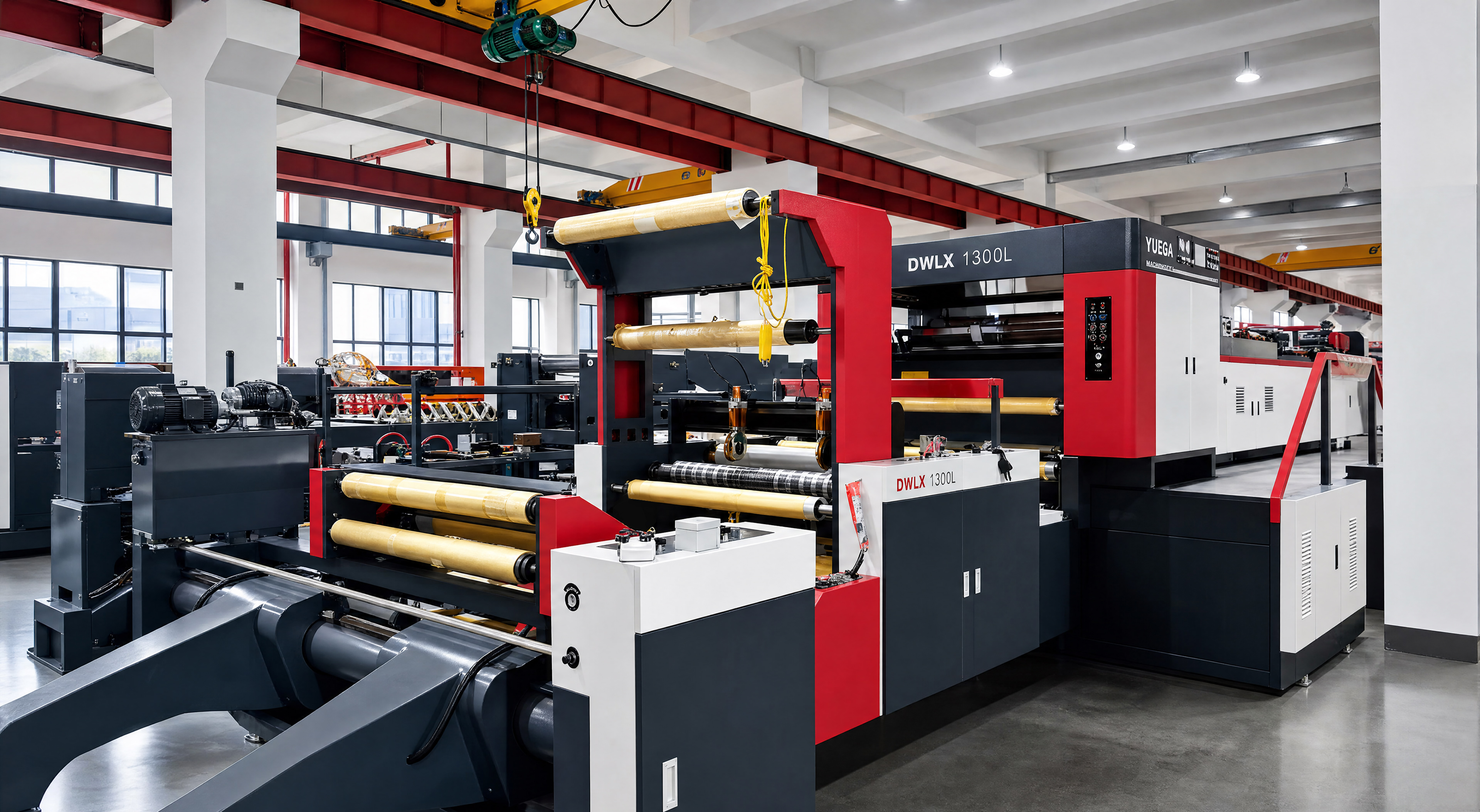
Can any film with the same finish replace the approved film? A finish description alone does not establish an identical product or a suitable replacement. Ask for the alternative's exact reference and relevant specification, then have the appropriate suppliers review it against the intended substrate, adhesive and equipment configuration. Keep the original approval available so the comparison has a defined basis. If additional evaluation is needed, state what question it will answer. A supplier may offer a workable alternative, but it should become an approved selection through clear evidence and scope rather than through an assumption that matching visual words prove the same construction.
Should a buyer order a large consumable stock with the machine? The appropriate quantity depends on the confirmed product selection, planned work, supply arrangements and the manufacturer's applicable requirements. Obtain those facts for the specific project before making a stock decision. Separate material needed for a trial from routine production demand, and keep uncertain estimates labelled. This article recommends no universal purchase volume or storage period. A smaller confirmed readiness requirement can be more useful than a large order of a material that has not yet been approved for the intended application, but the commercial choice should be made using the buyer's actual circumstances and responsibilities.
Who should recommend an adhesive? Ask the relevant consumable and equipment suppliers to explain the scope of their recommendation for the exact proposed combination. The buyer should know which product is being recommended, what application information was considered and what remains to be evaluated. Follow the applicable manufacturer instructions through qualified personnel rather than improvising a recipe from a general article. If two parties have made different assumptions, resolve that difference before trial preparation. A clear assignment of questions helps prevent a familiar but incomplete handoff in which everyone believes another party has already confirmed the material that production is expected to use.
What information should be sent to Yueda for an initial discussion? Provide the intended finished application, available substrate details, relevant sample references and the proposed equipment scope. Add any film or adhesive proposals already under consideration, with their exact identities and unresolved questions. Explain whether the immediate goal is a demonstration, a qualification trial or preparation for an approved production job. Ask which additional information is required and which responsibilities belong to each supplier. Do not present unverified material values as settled facts. A concise, coherent brief makes it easier to prepare a relevant response and avoids comparing quotations that quietly assume different consumables and different applications.
A consumables purchasing brief should connect the application, equipment configuration, material references, evaluation scope and commercial supply responsibilities. Preserve the difference between a proposal, an observed trial and an approved production combination. Review quantities on a clear basis and control later substitutions deliberately. When discussing laminating and coating equipment, this preparation helps the buyer ask useful questions about readiness and repeat supply without inventing compatibility, yield, prices or operating instructions. The result is a purchasing record that colleagues can understand and maintain, with confirmed selections visible and unresolved matters assigned to the people who can properly address them.
Contact: Peter Chen/Jack Chen
Mail : peterchen@yuedamachine.com
Cellphone: +86 18767458866/ +86 19857780001
Address: Building 2, No. 1333 Times Avenue, Longgang City,Wenzhou City, Zhejiang Province China
Copyright © 2026 Wenzhou Yueda Packaging Machinery Co., Ltd. All Rights Reserved.
SitemapThis website uses cookies to ensure you get the best experience on our website.
 Español
 Portugues
 Indonesia
 Tiếng Việt



 Phone
 E-mail
Comment
(0)