

Laminating Coating Equipment is easier to support when a production team can describe what happened, which materials were running and what changed immediately before the problem. A message saying that a machine is not working gives a supplier little information. A clear record connects the visible symptom to a particular job, operating condition and point in the process, making the next discussion more useful.
For buyers comparing equipment from Wenzhou Yueda Packaging Machinery Co., Ltd., maintenance preparation should begin before an order is finalized. The following guide explains how to organize a support file, request appropriate documentation and plan spare parts discussions. It is a procurement and communication framework, not a repair procedure. Actual adjustments, cleaning methods and maintenance intervals must follow the instructions for the supplied machine and its installed components.
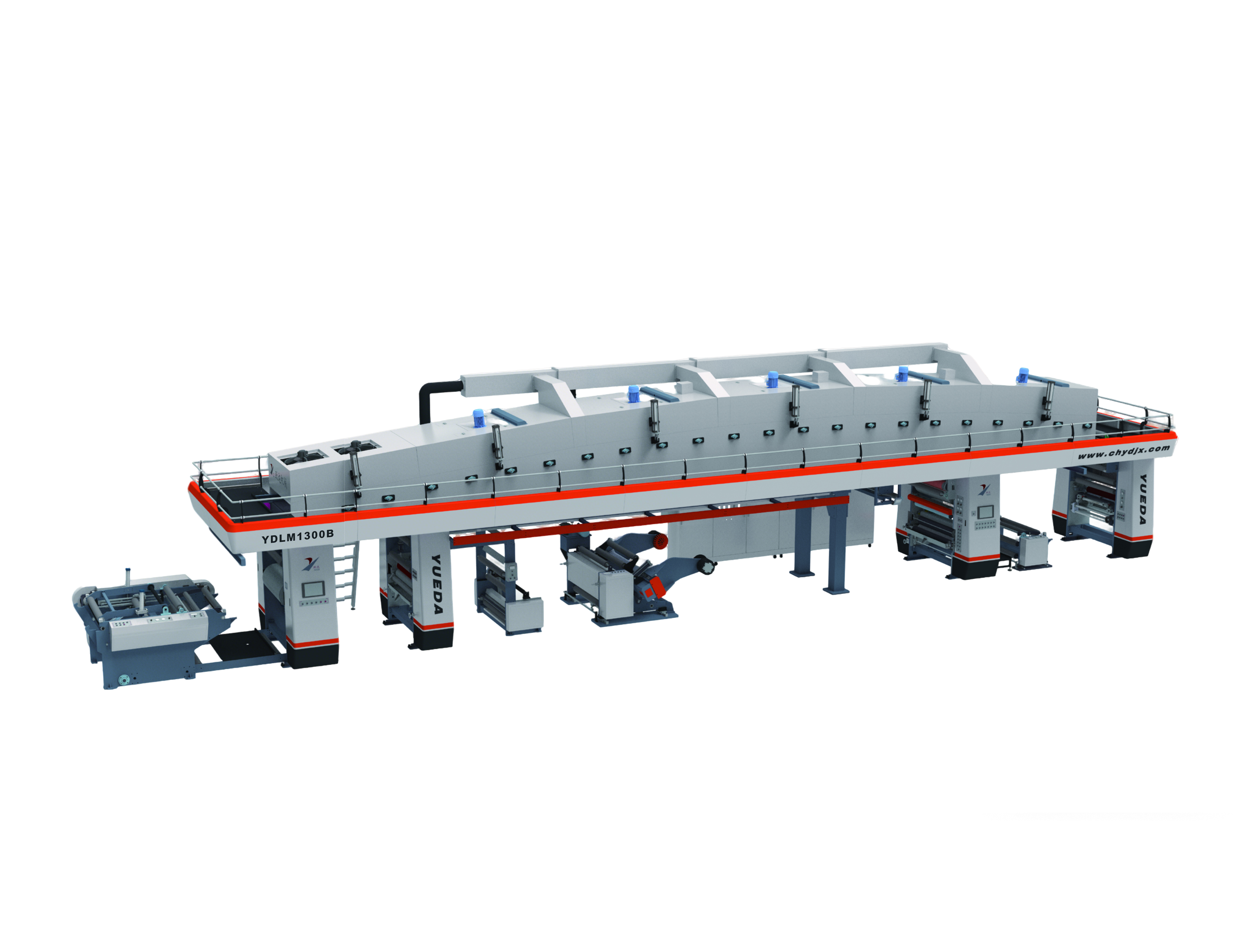
Start with the exact machine identification on the order and nameplate. Keep the model, serial number, delivery configuration and relevant drawing revision together. Equipment with a similar appearance may have different drives, rollers, coating sections or control arrangements. A photograph can help a supplier recognize the assembly, but it cannot replace the identification needed to confirm a compatible part or instruction.
Separate the purchased machine from other equipment in the converting line. An unwinding section, coating unit, drying arrangement, laminating section and delivery system may be supplied as different packages. Record who supplied each package and where its documentation is held. If a problem appears between two sections, this scope map helps the buyer direct questions without assuming that one supplier is responsible for every connected component.
A useful folder contains the agreed specification, layout, supplied manual, electrical documentation, component references and accepted change records. Use a simple index that identifies the latest applicable version. Keep superseded documents for traceability, but clearly mark them so that an operator or purchasing colleague does not unknowingly send an outdated drawing when requesting technical support or a replacement assembly.
Ask the equipment supplier which documents are included and which require separate confirmation. Do not assume that a brochure, quotation or generic operation video contains maintenance instructions for the delivered configuration. Where a document has not yet been provided, record the gap and an owner for obtaining it. A visible missing item is easier to resolve than an assumed instruction that nobody can locate during an interruption.
Begin a fault record with observable facts. Examples include an uneven appearance on a sample, a repeated mark in the material direction, an alarm message or a change in how the web travels through a visible section. Describe where the symptom appears and whether it is continuous or intermittent. Avoid converting an early observation into a confident diagnosis before the supplier has reviewed the evidence.
Keep the operator's words alongside any later technical interpretation. The statement that a mark appeared after a roll change is an observation; the claim that a particular bearing caused it is a hypothesis. Preserving this distinction allows the support team to consider alternative explanations. It also prevents later reports from presenting an unverified early guess as a confirmed mechanical failure requiring an unnecessary replacement.
Identify each material used on the affected job with its internal stock reference and supplier batch where available. Include the substrate description, nominal dimensions and any relevant handling history already recorded by the plant. Different paper, film or coated stock can behave differently, so a report that only names the finished product may hide a material change that matters to the investigation.
For an adhesive or coating, preserve the product identification and the supplier's applicable instructions. Record the information actually available rather than estimating a formulation from appearance. Do not substitute a different chemical, cleaner or processing condition simply to reproduce a previous result. Questions about compatibility and permitted use should be directed to the responsible material supplier and the equipment documentation for the actual process.
Write a short sequence showing the last known acceptable production, the first observed problem and the actions that followed. Note roll changes, job changes, cleaning, maintenance or component replacement that occurred in between. Use actual times where available, but mark an estimate as an estimate. The sequence is often more valuable than a long description that mixes several shifts into one undated account.
Include whether the machine was starting a new job, restarting after a stop or continuing an established run. Do not assume that the condition at the time of a later inspection was identical to the condition when the symptom began. Keeping those moments separate helps a supplier ask relevant follow-up questions and reduces the chance of comparing a startup sample with an unrelated steady-production sample.
Record the displayed settings associated with the job if your procedures permit this, together with the machine identification and time. A photograph of a screen should show enough context to identify the parameter, its unit and the operating mode. A bare number copied into a message is easy to misunderstand, particularly when similar controls refer to different sections of a line.
These recorded values describe what the team observed; they are not proposed settings for another machine or material. Do not use an online example as a universal temperature, tension or speed instruction. The supplier should interpret the information against the delivered configuration and approved operating guidance. Any authorized change should be documented separately so that the team knows which condition produced each retained sample.
When a product appearance problem is involved, retain representative material where plant procedures allow. Label the sample with the job reference, collection point, time and orientation. Show the running direction and distinguish the side that contacted a particular process section if that is known. Without orientation, two people can examine the same sample and describe opposite edges or surfaces without realizing the mismatch.
Keep an acceptable reference sample when available, alongside the affected sample. Explain whether both came from the same material combination and operating period. Store them in a way that avoids introducing new folds, abrasion or contamination. If a photograph is the only practical evidence, include a scale and consistent lighting, while acknowledging that a photograph does not establish bond strength or another unmeasured property.
Useful photographs show the overall section first and then the specific visible detail. Identify the image files with the report reference so that they remain meaningful after being forwarded. Avoid sending a collection of close-ups with no indication of their location. An overall view helps the technical team distinguish a coating section from a delivery section and understand how the detail relates to surrounding equipment.
Evidence collection must not require reaching into moving equipment, removing protection or entering a restricted area. Use only viewing positions and recording methods permitted by the plant and the supplied instructions. If the required detail cannot be seen safely, say so in the support request. The next step should be an appropriate authorized inspection, rather than obtaining a more dramatic photograph at the expense of safe access.
Copy the complete visible alarm text or code and note the machine state when it appeared. Record whether it cleared, returned or remained present after the actions permitted by the operating procedure. Similar wording can refer to different devices, so a shortened message or a translated paraphrase may remove the information the supplier needs to identify the relevant circuit or component.
Do not repeatedly reset an unexplained alarm merely to keep production moving. Follow the applicable machine instructions and the plant's escalation process. In the report, distinguish an alarm that occurred before the symptom from one triggered during a later stop. This avoids treating every message in a long event list as evidence of the same original cause or the same required corrective action.
Ask which cleaning tasks belong to the operator's normal duties and which require trained maintenance personnel. Request the applicable method, materials, access requirements and completion checks for the supplied configuration. A general statement to keep the machine clean does not identify what can be cleaned, how residual coating is handled or which surfaces and components require special care.
Record completed cleaning against a job or maintenance reference, including the method authorized for that machine. If residue remains, photograph the accessible area and request guidance instead of trying an unapproved solvent or abrasive. The purpose of the record is to make the condition understandable and repeatable, not to create a universal cleaning recipe for different coatings, roller coverings or electrical assemblies.
Before delivery, ask for the maintenance tasks applicable to the ordered machine and the basis for their intervals. The schedule may refer to operating hours, production cycles, calendar time or observed condition, depending on the component. Record the actual basis given. A buyer should not convert an interval from another model into a promise that it is suitable for the new installation.
Assign an owner to each task and keep the completion evidence simple enough to maintain. A record can identify the task, date, person, observation and any follow-up needed. A signed checklist with no description of an abnormal condition is less useful than a short factual note. Repeated observations should remain visible so that the next inspection can assess whether the condition is stable or changing.
A replacement request should connect the part to the machine and its assembly location. Provide the component reference from the applicable parts list or drawing, plus a readable photograph of the identification marking where accessible. Specify quantity and explain whether the request is for a complete assembly or an individual item. Similar commercial descriptions can refer to parts that are not interchangeable.
Ask the supplier to confirm compatibility with the specific serial number or supplied configuration. Do not rely on a visual resemblance or a remembered size when an installed part has changed since the original quotation. If a component has no readable identification, describe that limitation and request the correct identification method. This is more reliable than purchasing an apparently matching part and discovering the difference during installation.
Discuss which items the supplier recommends holding locally and why. Consider the role of the component, the effect of its absence, the plant's ability to identify a failure and the confirmed replenishment arrangements. These are planning questions, not an instruction to buy every component shown in a catalogue. The appropriate stock list depends on the actual machine and the buyer's operating circumstances.
Separate consumables, wear items and complete replacement assemblies in the proposed list. Ask for storage requirements, identification details and any conditions that affect suitability over time. A large spare inventory is not automatically useful if items cannot be located or their compatibility is unknown. Keep the list linked to the documentation folder so that a purchasing colleague can request the correct item without reconstructing the machine history.
Ask how the supplier receives a support request and what information should be included at the first contact. Confirm the responsible contact channel and any agreed availability in writing. Do not infer a guaranteed response time or included service from a website photograph. The commercial order and service agreement should define any commitment that matters to the buyer's production planning.
Where remote assistance is available, clarify who may authorize access, what information may be shared and who will perform any instructed checks locally. Do not assume that sending a video authorizes changes to machine controls. Keep support communications attached to the report so that later staff can distinguish suggestions, approved actions and work that was actually completed and verified at the plant.
When an authorized technical team proposes an adjustment or replacement, record the reason, scope and expected observation before the work begins. Note the person responsible for approval and the document or instruction being followed. This creates a traceable connection between the initial symptom and the action, instead of leaving the next shift to discover an unexplained change in settings or components.
After the work, record what was done and what was checked. An action described as successful should have an observable basis, such as a reviewed sample or the specific check required by the supplier. If several things changed together, state that limitation. It may be impossible to identify which change affected the result, even when the final production condition is acceptable for the job.
Define who decides that the equipment may return to operation under the plant's procedures and applicable machine instructions. Maintenance completion, operator readiness and product acceptance are related but separate decisions. A repair note alone does not show that the next material run has met its agreed quality criteria. Keep the required checks and responsible people visible before the machine is released for the next job.
Retain the first reviewed production samples and record any remaining restrictions or observations. If a condition has improved but is not fully understood, do not erase it from the log. State what is acceptable for the current job and what still requires follow-up. This gives the next shift useful context without presenting an unresolved technical question as a permanently corrected machine fault.
A handover should identify the running job, current approved setup reference, recent abnormal observations and open support requests. Include the location of samples and documents rather than relying on a verbal explanation alone. A colleague arriving after a shift change should be able to find the same evidence that the previous operator described, without searching unrelated messages or guessing which sample was retained.
Separate information that requires immediate attention from background history. For example, an open inspection request should remain visible even if production was paused for another reason. State what the next shift is authorized to do and which decisions must wait for the responsible technical person. Clear handover reduces conflicting instructions and prevents a partially completed investigation from being restarted without its earlier evidence.
When comparing laminating coating equipment proposals, look beyond the headline machine description. Ask each supplier to identify the included documentation, initial training scope, maintenance guidance and recommended spare parts information. Put these responses beside the offered configuration. A more detailed answer is useful only if it applies to the ordered equipment and is included in the agreed scope.
Keep exclusions and unresolved questions visible during commercial review. If an item is optional, identify its cost basis and responsibility separately rather than assuming it is included. This approach does not establish that one supplier offers better service in every circumstance. It simply gives the buyer a clearer comparison of what has been confirmed and what still needs an explicit agreement before purchase.
Before that first request, it is useful to define how urgent information will be handled internally. Identify the person who can describe production conditions, the person responsible for technical decisions and the purchasing contact who can authorize an agreed part order. These roles may be held by different people. Recording them prevents a commercial message about dispatch from being mistaken for technical approval to install or adjust a component.
The supplier should receive a consolidated account rather than several contradictory descriptions from different shifts. Nominate a report owner to collect new evidence, preserve earlier observations and communicate the current question. This does not prevent operators from raising concerns; it gives those concerns a traceable place in the investigation. The owner should identify what is newly observed and what is copied from an earlier report so that repetition is not mistaken for another occurrence.
When spare parts arrive, compare their identification and quantity with the confirmed order before placing them into stock. Preserve any supplied handling or storage instructions and note the machine configuration for which compatibility was confirmed. If a substitution is proposed, keep it open for technical review rather than treating a similar-looking delivered item as automatically acceptable for the original purpose.
Locate spares through an inventory reference that links back to the parts documentation. A shelf containing unlabelled assemblies may be physically full while still providing little practical support during an interruption. Record any item removed for use and any returned component separately. A used or uncertain item should not silently re-enter the stock of identified replacements that purchasing colleagues believe are ready for use.
Once the issue is closed, create a short outcome note linking the original symptom, confirmed action and verification evidence. Include any document revision or part identification that changed during the work. Keep the original observations intact rather than rewriting them to match the eventual conclusion. The difference between the first symptom and the confirmed finding can be useful when a similar-looking problem appears later.
Review whether the outcome changes an existing training note, inspection task or spare parts discussion. Only update an instruction through the plant's responsible approval process and the applicable supplier guidance. A single successful intervention does not create a universal procedure for all laminating machines. The enduring value is a clear, equipment-specific history that helps the next responsible person ask better questions and find the right evidence.
Send the machine identification, a concise symptom description, the affected job reference and the time sequence. Attach a small set of labeled photographs or samples and the complete alarm text where relevant. State what the team has already done under approved procedures. A short organized package is usually easier to review than many unlabelled messages containing different versions of the same account.
Also identify what remains unknown. The supplier can then request the next useful observation rather than assuming that missing information has already been checked. Avoid claiming that an unseen component is damaged simply because a similar symptom appeared elsewhere. The purpose of the first message is to support an informed investigation and a safe next step, not to force a premature diagnosis.
A photograph can show a visible configuration, sample appearance or component marking. It does not prove production capacity, coating uniformity across an entire run, bond performance or suitability for an untested material. Buyers should request the relevant agreed trial records and acceptance evidence for those questions. Separate what the image visibly supports from the performance claim that would require a different form of verification.
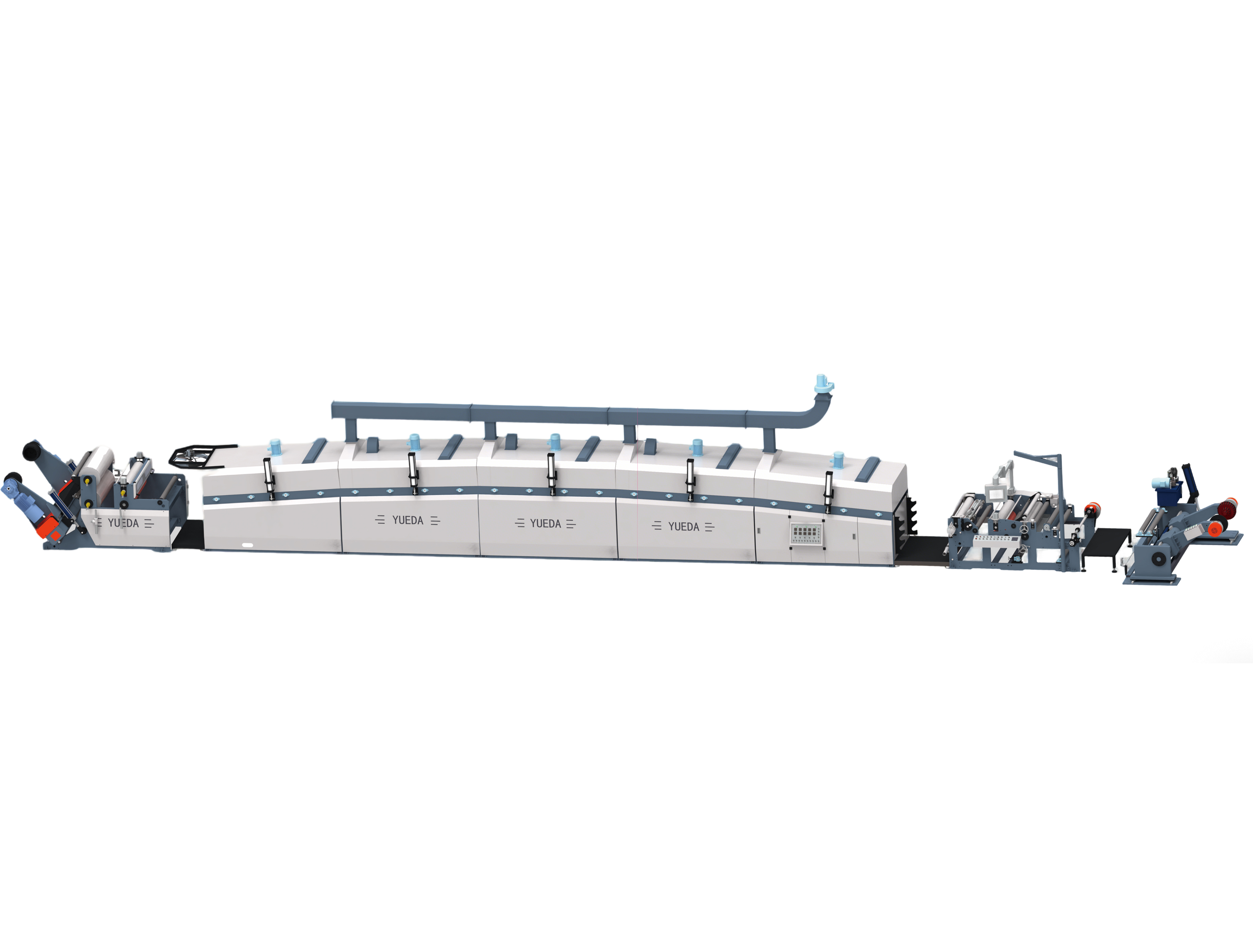
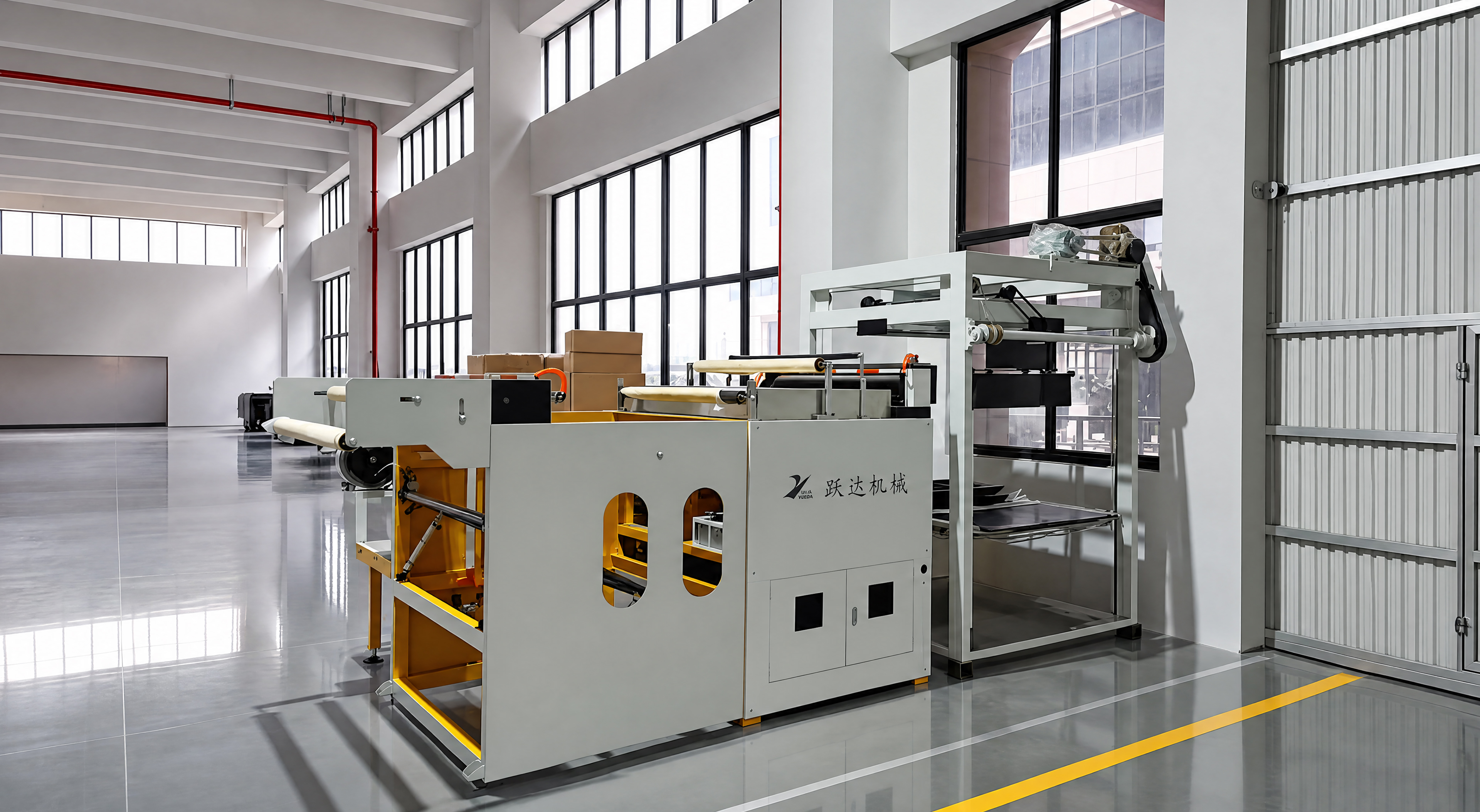
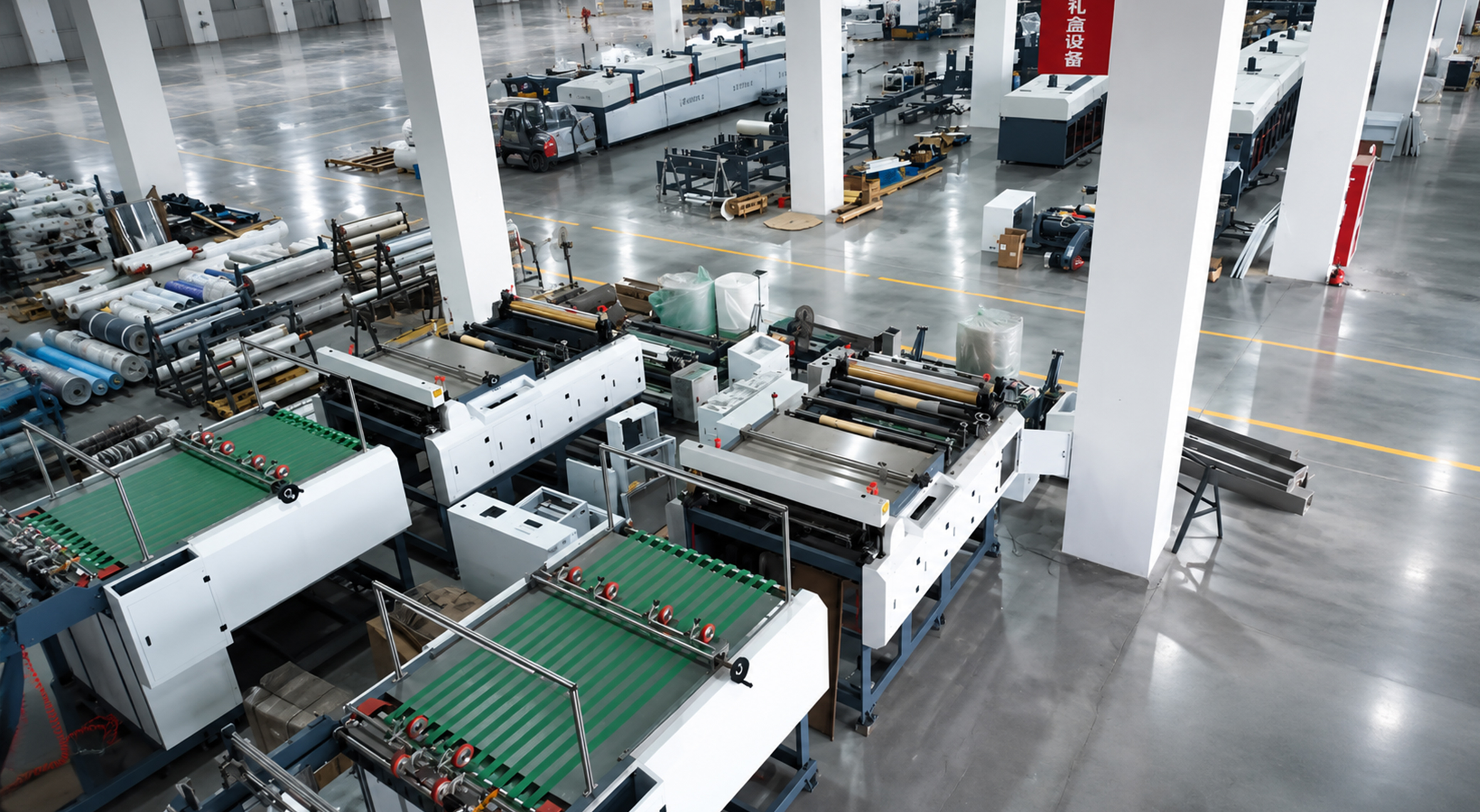
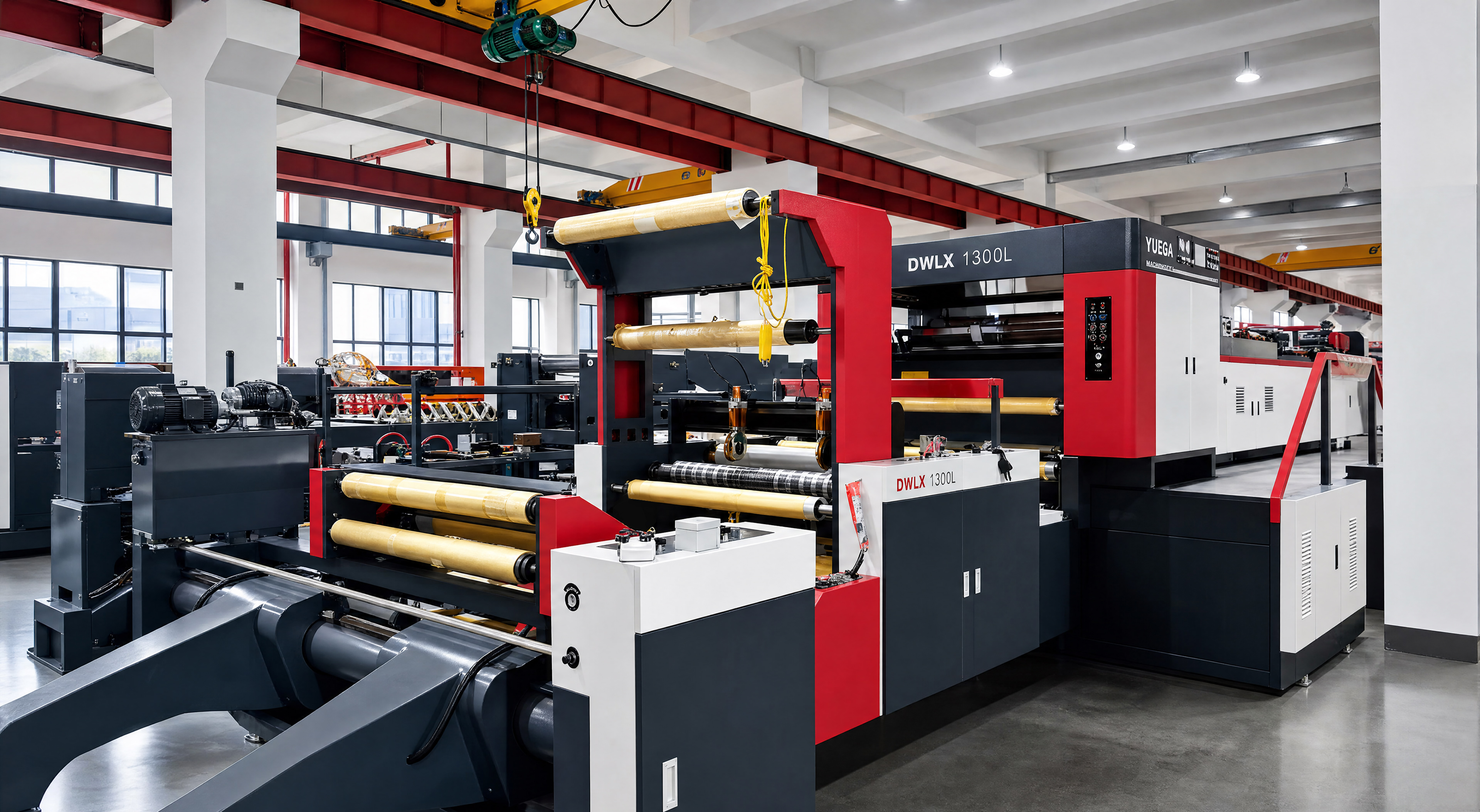
The equipment and workshop images accompanying this guide illustrate products and working areas from Yueda's media library. They are not records of a fault investigation or a promise that every shown arrangement is included in an order. Use them to prepare a clearer discussion, then confirm the exact offered machine, supplied documentation and project-specific requirements directly with the responsible supplier contact.
Link repeated observations to a common report reference while retaining the details of each occurrence. Compare the material combination, job stage, settings evidence and maintenance history instead of assuming every recurrence has an identical cause. A summary that preserves these differences can help the technical team decide whether further inspection, process review or component investigation is appropriate for the supplied configuration.
Close the record only when the responsible team has documented the outcome and any continuing actions. Keep useful evidence available for future orders, maintenance planning and staff training. A well-maintained support file will not eliminate every interruption, but it gives buyers and suppliers a common factual starting point. That foundation is more useful than unsupported guarantees or a spare parts order based only on an uncertain first impression.
Contact: Peter Chen/Jack Chen
Mail : peterchen@yuedamachine.com
Cellphone: +86 18767458866/ +86 19857780001
Address: Building 2, No. 1333 Times Avenue, Longgang City,Wenzhou City, Zhejiang Province China
Copyright © 2026 Wenzhou Yueda Packaging Machinery Co., Ltd. All Rights Reserved.
SitemapThis website uses cookies to ensure you get the best experience on our website.
 Español
 Portugues
 Indonesia
 Tiếng Việt



 Phone
 E-mail
Comment
(0)