

A Paper Sheeter Machine purchase begins with the sheets a buyer needs to deliver, not simply with a roll width or a headline cutting speed. The same stock can support several finished formats, but the useful result depends on orientation, usable dimensions, permitted trimming, order quantity and the way accepted sheets are counted. Putting these decisions into a job plan makes equipment discussions more precise and exposes assumptions that a short enquiry can hide.
This guide explains how a converting buyer can organize format and material information before discussing a paper sheeter machine with Wenzhou Yueda Packaging Machinery Co., Ltd. The calculations are planning illustrations rather than machine settings or promises of output. Any proposed cutting arrangement must be checked against the offered machine, its actual configuration and the buyer's approved material and finished-sheet requirements.
List the finished sheet sizes required by each customer or downstream process. Record the dimensions, units, quantity and relevant material identification together, rather than keeping a size list separate from the order list. A format that appears important because it is ordered frequently may represent a small part of total material consumption. Another format ordered only occasionally may determine the width or handling arrangement that the buyer needs to discuss.
Distinguish firm orders from forecasts and development sizes. This allows the supplier to understand the established workload without treating every possible future format as a confirmed requirement. Where the same dimensions appear in several orders, preserve differences in material, orientation or packing. Two lines with identical width and length are not necessarily interchangeable jobs, and combining them prematurely can make an apparently efficient format plan unsuitable for the actual orders.
Use a drawing or a clearly stated convention to identify the sheet dimension across the web and the dimension in the running direction. A purchasing description such as width by length can be interpreted differently by different teams. Include the intended orientation on the job reference so that a supplier can map the requested sheet to the proposed material path and cutting arrangement without silently rotating the finished product.
Keep the commercial finished size separate from any intermediate size that will be trimmed later. If the sheeter is expected to produce an oversize blank for a downstream operation, identify both dimensions and their purpose. Otherwise, the supplier may assess the machine against the final sales format while production actually needs an intermediate sheet. This distinction can affect the format discussion before any question about running speed becomes meaningful.
Rotating a rectangular format may improve a numerical layout while changing the relationship between the material direction and the finished sheet. Ask the downstream user which orientation is required and whether an alternative is acceptable. Do not treat an orientation that fits within a roll width as automatically suitable for printing, folding or another subsequent process. The layout must preserve the buyer's actual product requirements.
Record the source of the orientation decision, such as the customer's specification or the approved production brief. If the requirement is not known, leave the layout provisional and request clarification. A purchasing team should not close that gap by copying an arrangement from another material or another customer. Keeping uncertainty visible prevents a hypothetical yield calculation from being mistaken for a fully approved manufacturing route.
Connect each job to an identifiable stock description, including the relevant grade, nominal thickness or grammage information available from its documentation. Keep different coated, laminated or uncoated materials distinct even when they have the same commercial sheet size. A supplier needs to assess the actual proposed material and operating conditions; a generic label such as paper or cardboard may omit characteristics that matter to the equipment discussion.
Preserve supplier and batch references when the buyer already uses them in production records. Where material information is incomplete, ask what samples or documents are needed for evaluation. Avoid inventing an average specification from several unrelated stocks. A clear list of confirmed materials and unresolved alternatives helps the equipment supplier explain which questions can be answered from documents and which require a representative trial or further technical review.
A roll's stated width is only the starting point for a layout calculation. The usable width in a particular approved plan may be different because of agreed edge allowances or material condition. Identify each allowance explicitly and state whether it is a planning assumption or a confirmed requirement. Do not hide it inside a reduced width that another colleague might later interpret as the actual purchased roll dimension.
Ask the supplier to review the proposed arrangement against the offered machine and relevant processing requirements. This guide does not prescribe trimming values or an operating setup. The important purchasing habit is to make the arithmetic traceable: the original roll width, every deducted allowance and the resulting layout width should be visible. A layout cannot be compared fairly with another proposal when those underlying assumptions differ.
Consider a hypothetical planning case with a nominal roll width of 1,000 millimeters and a combined planning allowance of 20 millimeters, leaving 980 millimeters in the illustration. Two widths of 490 millimeters would occupy that remaining width arithmetically. Two widths of 420 millimeters would occupy 840 millimeters and leave 140 millimeters within the same illustrative layout. These figures explain the calculation; they are not recommended machine settings.
The arithmetic does not prove that the proposed equipment can produce two lanes, perform the necessary longitudinal slitting or handle the resulting sheets in the required way. Those functions must be confirmed for the offered configuration. A buyer should therefore label the numerical arrangement as a candidate and ask the supplier what equipment scope, material review and delivery arrangement would be required before treating it as a practical production plan.
The number of widths that fit across a usable web is a different question from the required cut length in the running direction. Record both, together with the intended number of output lanes where relevant. A spreadsheet can otherwise show an attractive area utilization while omitting the cut-length requirement that makes the proposed format different from the supplier's original interpretation of the enquiry.
When comparing several layouts, use the same definitions for all of them. If one proposal assumes a single output lane and another assumes additional slitting or separation, show that scope difference explicitly. Do not compare their theoretical utilization percentages as if the machines and handling arrangements were identical. The useful decision concerns an achievable, agreed process for the buyer's jobs, not the largest number produced by an incomplete layout calculation.
For a rectangular sheet, convert its dimensions to meters before multiplying them to obtain area. In a hypothetical example, a sheet measuring 0.49 meters by 0.70 meters has an area of 0.343 square meters. If the planning stock is stated as 200 grams per square meter, the corresponding theoretical material mass is 68.6 grams per sheet. The units make the relationship clear and help reveal a misplaced decimal point.
That illustration does not establish the actual mass of a delivered sheet or the total material needed for an order. Stock variation, accepted quantities and other agreed allowances need separate treatment. Use the documented material information and the buyer's actual measurement and purchasing practices. Keep any calculated planning value visibly different from a measured sample result or a supplier's confirmed commercial packing and weight information.
The word yield can refer to several different relationships, such as planned sheet area within a candidate layout or accepted output relative to material issued. State the numerator and denominator whenever a percentage is used. A high theoretical layout percentage does not describe startup material, rejected sheets or the condition of a particular roll. Without a definition, two reasonable calculations can appear to disagree while measuring different things.
For equipment discussions, retain both the theoretical layout and the proposed basis for evaluating accepted output. This lets the buyer distinguish an arithmetic opportunity from an operating result that still needs evidence. Ask the supplier which factors a trial will record and how the results will be reported. The buyer can then assess an actual job against the original plan without changing the definition of yield after the result is known.
An order quantity should identify the required number of accepted sheets, rather than only the number of cuts or the number of sheets handled. Define the inspection and acceptance basis through the buyer's normal process. If output is separated into several stacks, record how those stacks will be identified and reconciled. This avoids treating a total machine count as automatic proof that the customer's complete accepted quantity is available.
Keep samples, setup material and rejected output in separate categories when they are relevant to the evaluation. The equipment supplier should know which categories the buyer expects a trial report to distinguish. Do not assign an unsupported rejection allowance simply because it makes a quotation spreadsheet balance. An unresolved assumption should remain a question for review, with its effect on the planning estimate made visible.
Group jobs that share meaningful processing requirements, such as a material family and a comparable format range. Preserve the individual job lines beneath each group. This can make the workload easier to discuss without replacing it with an average sheet that is never actually ordered. An average dimension may hide the smallest or largest format that determines whether a proposed machine arrangement is suitable.
Use a representative mix when discussing a trial or production planning exercise. Explain why each selected job matters, whether because of regular volume, a difficult format transition or a critical downstream requirement. Avoid presenting only the easiest example as if it represented the whole business. A good job-family summary gives the supplier a manageable picture while retaining enough detail to test the assumptions that influence the purchase decision.
The order in which jobs are planned can affect material preparation, identification and the number of format changes that need to be discussed. Map the proposed sequence before comparing an isolated running condition. Identify which jobs might share a stock and which require a distinct material or orientation. This gives the supplier a clearer explanation of the buyer's workflow than a list of unrelated maximum and minimum dimensions.
Do not assume a particular changeover time from the fact that two sizes are close together. Ask the supplier to explain the tasks involved for the actual configuration and what evidence would support any quoted changeover expectation. Keep material preparation, machine setup and downstream handling separate in the plan. That separation makes the discussion more useful without inventing a guaranteed saving or attributing every transition task to the sheeter itself.

Ask the team receiving the sheets what information and condition they need at handover. A size that is acceptable in isolation may still need a particular orientation, identification or stack arrangement for the next operation. Record those requirements with the format, especially where several similar sizes could be confused. The equipment enquiry should reflect the sheets that must enter the next process, not only the dimensions that can be written on a drawing.
Where a downstream machine or customer specification supplies a limit, retain the source and its applicable version. Do not generalize it to every job in the schedule. If the next process has not yet been selected, explain that the format plan is provisional. A supplier can then identify the questions that need to be closed before the buyer relies on the proposed arrangement for a commercial or production decision.
Record how accepted sheets will be grouped, labeled and packed as a separate part of the job plan. A customer's preferred pack quantity is not the same as a machine operating requirement, although the two may need to be coordinated. If the last pack is incomplete, state how it should be identified. Avoid rounding a cutting quantity to a convenient pack number without confirming the commercial requirement behind the change.
Use distinct references for the job, stack and finished pack where the buyer's process needs them. This makes it possible to reconcile the order without confusing material remaining on a roll with accepted sheets awaiting packing. The planning record should show where quantities are counted and who is responsible for the reconciliation, rather than assuming that every part of the process uses the same count at the same moment.
A wider or differently sized roll may improve a candidate layout but create other purchasing or handling questions. Compare alternatives using the same finished-sheet requirement, material identification and allowance assumptions. Ask what changes in the offered equipment scope or material preparation would be necessary. A theoretical reduction in unused width is not automatically a lower total cost for the buyer's actual order mix.
Keep availability, stockholding and commercial conditions separate from geometric utilization. Those facts must come from the buyer's suppliers and confirmed arrangements, not from a general equipment article. If information is missing, show the comparison as incomplete. This allows purchasing colleagues to see why a numerically efficient layout may still require further evaluation before it becomes the preferred material and equipment combination.
When a representative trial is needed, identify the candidate format, material and orientation that the buyer wants to evaluate. State which questions the trial is expected to answer and what evidence should be retained. A demonstration using a different stock or a convenient format can still be informative, but its limitations should remain visible. It should not silently replace the job on which the purchasing decision depends.
Agree how samples and observations will be connected to the recorded trial conditions. If several materials or formats are reviewed, label the results individually rather than combining them into a single general statement. The buyer should be able to trace an accepted sample back to its actual job reference. This supports a practical decision about the offered machine while avoiding claims that the demonstration establishes performance for untested combinations.

Place the proposed machine configuration next to the job schedule and candidate layouts. Ask the supplier to identify which functions are included and which require separate discussion, particularly when a layout depends on additional slitting, separation or delivery arrangements. Do not infer an included function from a product photograph or from the fact that a supplier offers several types of converting equipment elsewhere in its catalogue.
Keep written answers linked to the quotation revision being considered. If a configuration changes, review the affected layouts instead of assuming the earlier assessment remains applicable. This is a purchasing cross-check, not a claim that every optional component is needed. Its purpose is to make the connection between the buyer's requested sheets and the actual offered equipment clear enough for both parties to review before an order is finalized.
Give the format schedule a revision reference and identify the person responsible for issuing updates. Changes to dimensions, orientation or material can affect several calculations even when the customer order number stays the same. Mark the affected lines and preserve the previous version for history. A supplier should not have to guess whether a later email changes one job or replaces the entire schedule.
Before a commercial decision, reconcile the active schedule with the quotation and any trial evidence. Resolve a mismatched reference explicitly rather than relying on a verbal assurance that the sizes are the same. The planning sheet becomes useful when another colleague can follow its inputs, calculations and open questions without reconstructing the whole conversation. That clarity also supports later review when the buyer's order mix changes.
A proposed layout may leave material that is physically present but not immediately suitable for another confirmed job. Keep that remainder separate from accepted output and from stock already allocated elsewhere. Record its identification and relevant dimensions through the buyer's normal process. Do not count every unused area as a future usable product merely because a smaller rectangle can be drawn inside it on a spreadsheet.
If another job could use the remainder, identify the actual requirement and the review needed before assigning it. Material condition, orientation and traceability may still need consideration. The planning benefit remains provisional until the buyer has connected it to a suitable job and confirmed how it will be handled. This prevents the same material from being counted twice in a comparison of two otherwise separate orders.
An area calculation says nothing by itself about the rate at which a particular approved job can be run. Preserve the supplier's stated operating information separately, together with the material and configuration to which it applies. A layout that looks efficient in a drawing may require a different handling arrangement or further review. Do not attach a speed assumption from another demonstration to complete an unfinished production estimate.
Where a buyer needs a time estimate, identify all the relevant parts of the job cycle and the evidence available for each. Setup, material preparation, approved running conditions and sheet handling should remain distinguishable. This does not require inventing precise values for missing information. It makes the missing values visible so that purchasing and production can decide what further confirmation is needed before relying on the estimate.
A useful enquiry can include a short worked example with the finished format, stock reference, orientation, candidate usable width and intended accepted quantity. Put every unconfirmed assumption beside the calculation it affects. The supplier can then respond to specific questions instead of trying to discover why the buyer's expected result differs from the offered arrangement. Clearly label the example as planning information pending technical confirmation.
Ask the supplier to return comments against the same job reference and mark any proposed change. If the response uses a different material or layout, compare the two versions explicitly rather than silently replacing the original assumptions. This makes the discussion traceable and gives the buyer a better basis for deciding whether a representative trial or another commercial option is needed for that particular workload.
The best purchasing choice depends on more than a geometric percentage. An arrangement must also preserve the required material orientation, match the offered configuration and support the buyer's accepted sheet and handling requirements. A higher theoretical utilization can be worth investigating, but it does not settle those other questions. Compare alternatives against the same defined job schedule and record where an assumption remains unconfirmed.
If two candidates remain viable, ask what evidence would distinguish them for the buyer's workload. This may involve a representative trial, a clearer scope description or confirmed material purchasing information. Avoid describing an option as universally better when the decision depends on a particular order mix. The purpose of the format plan is to make those dependencies visible so the buyer can choose deliberately.
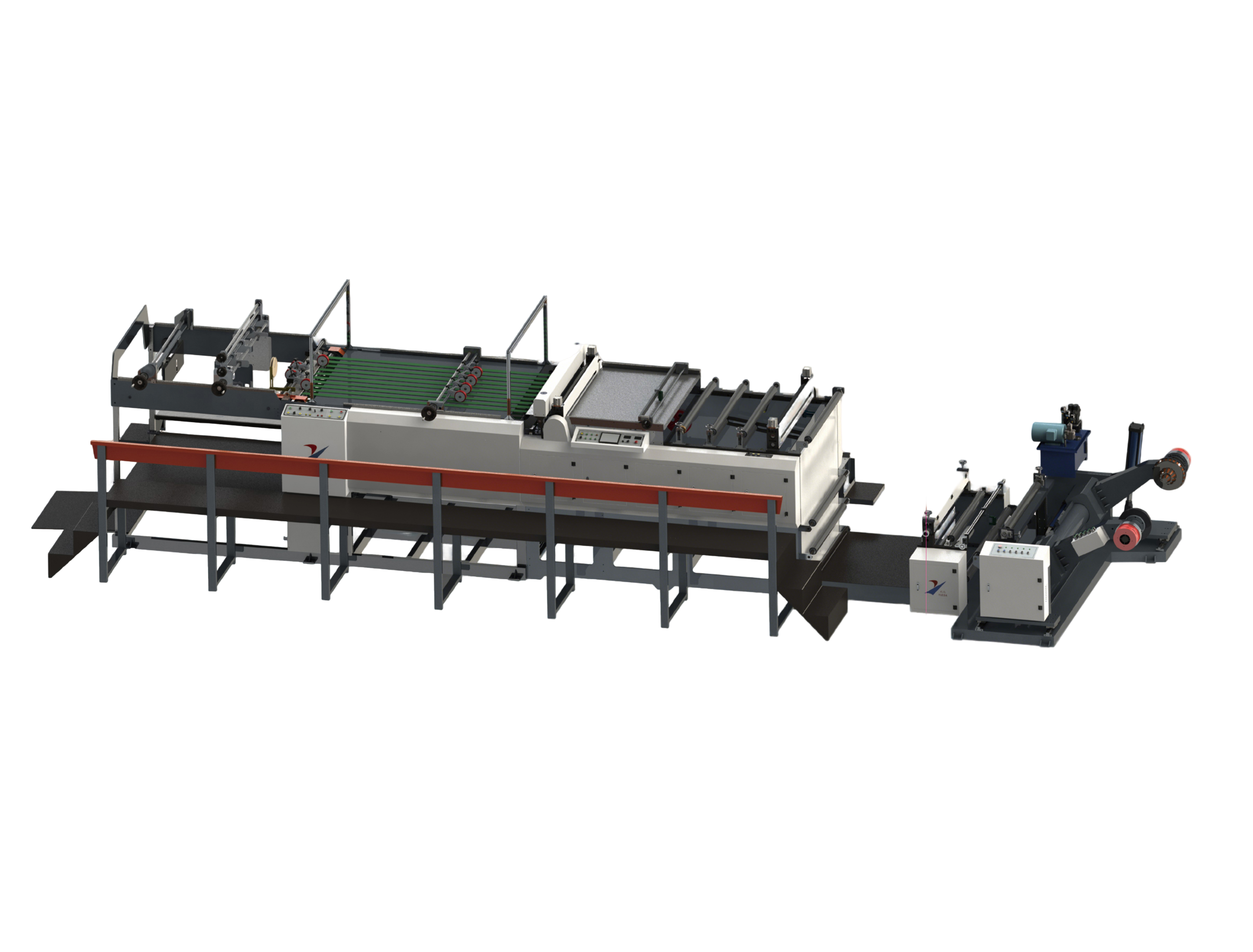
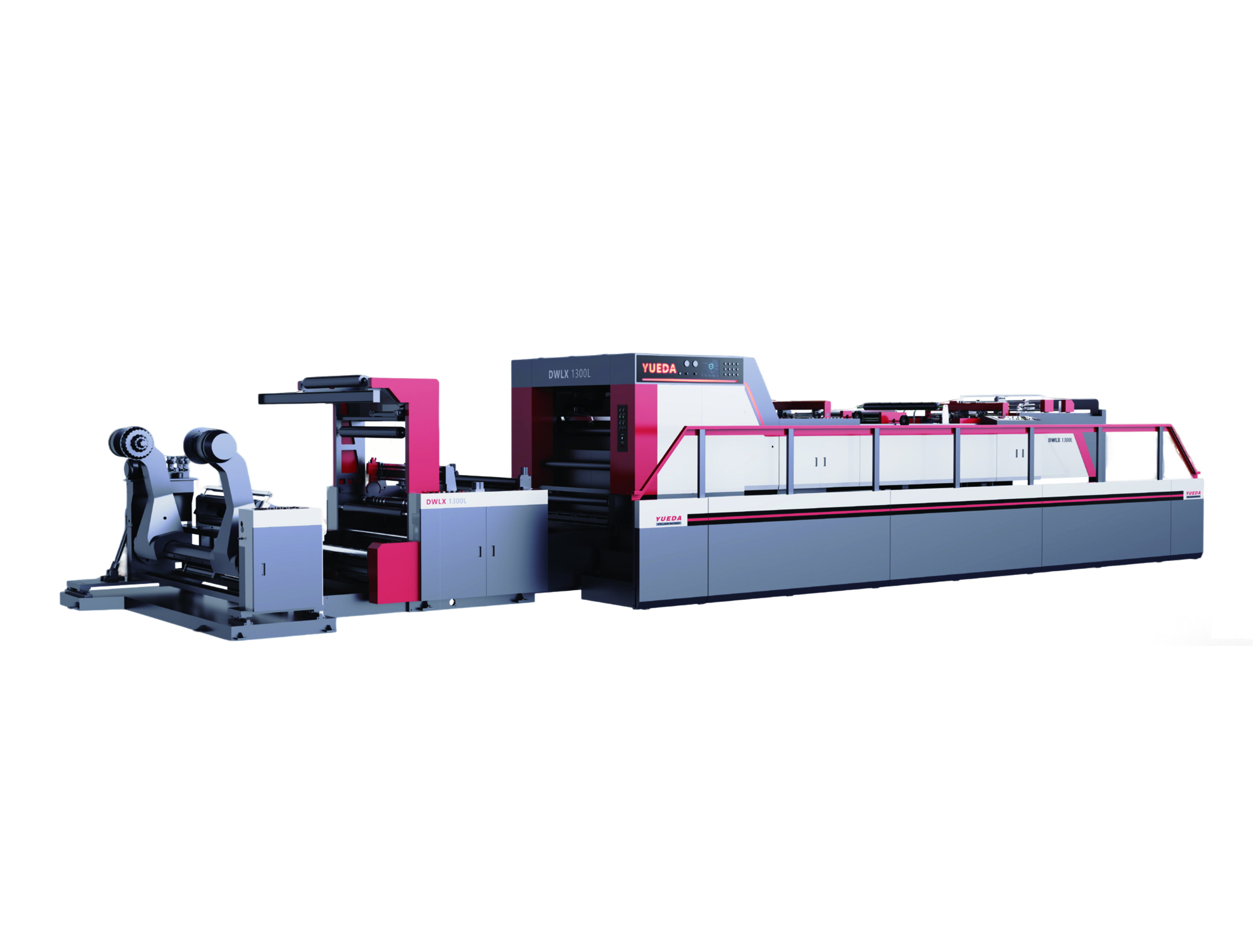
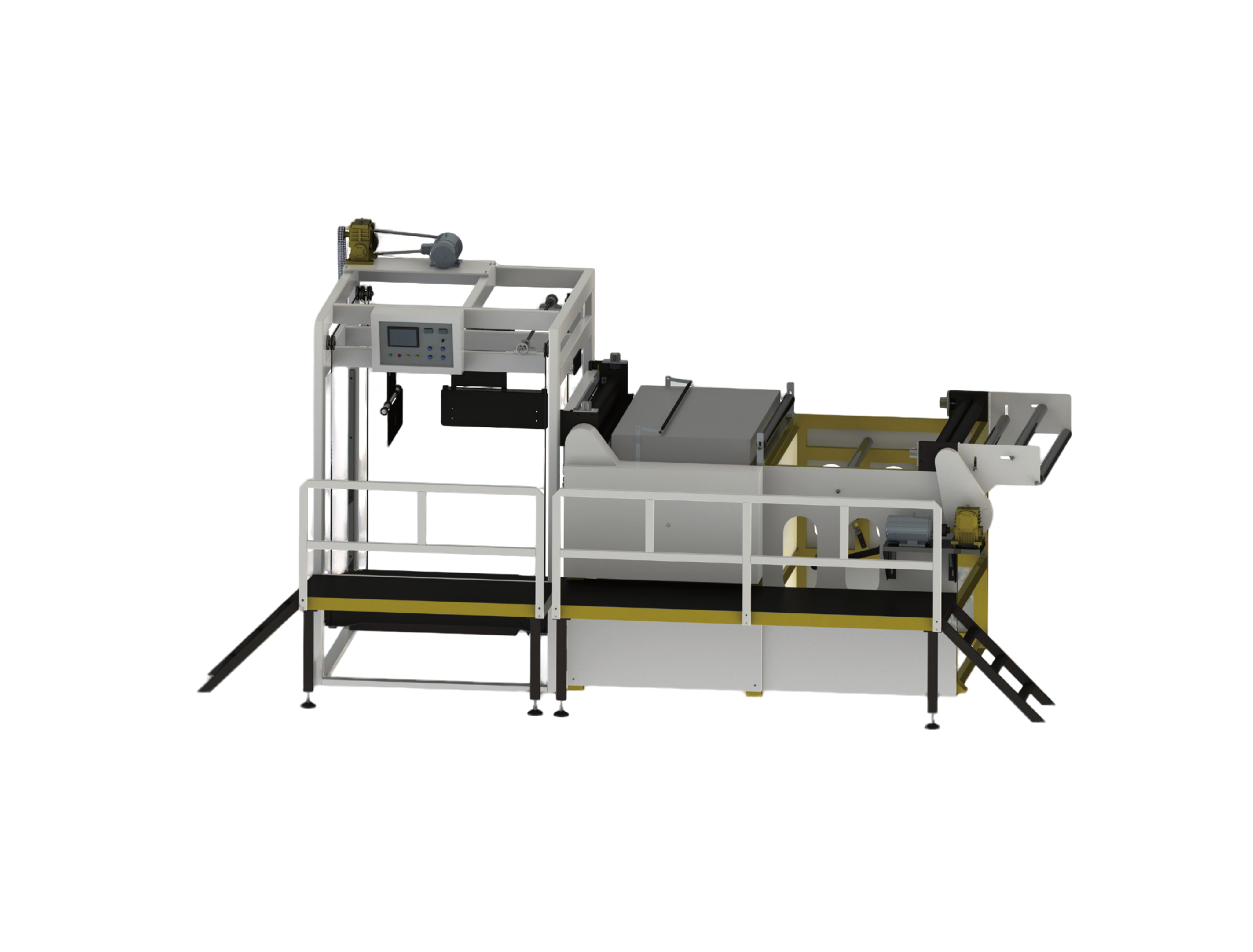
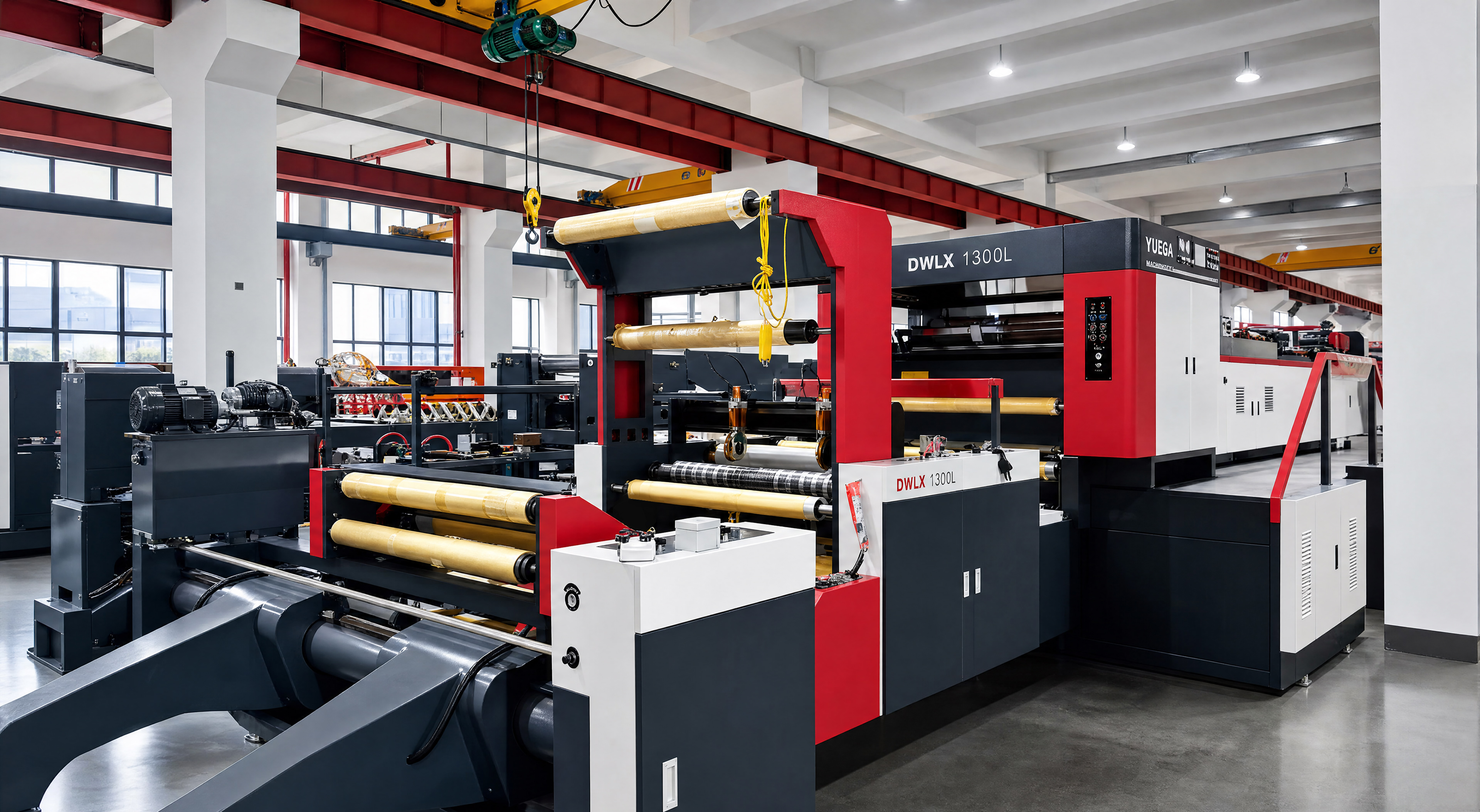
The accompanying images show sheeter products and workshop areas from Yueda's media library. They help identify the type of equipment being discussed, but they do not demonstrate every proposed format, material or output arrangement. A photograph should not be used to establish an unverified cutting accuracy, capacity or included function. Those questions require the applicable specification and appropriate evidence for the offered configuration.
Use the pictures as a starting point for a precise enquiry. Send the finished-sheet schedule, material references, orientation requirements and candidate layout assumptions together. Ask the supplier to confirm the proposed scope and identify any remaining evaluation needs. This gives both parties a shared factual basis for discussing a paper sheeter machine, while keeping planning arithmetic separate from the machine performance that has actually been established.
Contact: Peter Chen/Jack Chen
Mail : peterchen@yuedamachine.com
Cellphone: +86 18767458866/ +86 19857780001
Address: Building 2, No. 1333 Times Avenue, Longgang City,Wenzhou City, Zhejiang Province China
Copyright © 2026 Wenzhou Yueda Packaging Machinery Co., Ltd. All Rights Reserved.
SitemapThis website uses cookies to ensure you get the best experience on our website.
 Español
 Portugues
 Indonesia
 Tiếng Việt



 Phone
 E-mail
Comment
(0)