

A Paper Sheeter Machine purchase connects an equipment specification with a real installation site. The receiving area, material route, documented service requirements and handover arrangements all need attention before delivery. A machine can match the commercial description while the buyer still lacks important information about how the supplied sections will enter the building, where the documentation will be kept or which party must resolve a site interface. Those gaps are easier to address while the order is being planned.
This guide presents a purchasing and project-coordination framework for receiving and handing over a paper sheeter. It does not provide instructions for lifting, connecting, operating or servicing equipment. Those activities require the documentation and qualified people appropriate to the actual installation. The objective is to help buyers organize verified information, assign responsibilities and retain useful evidence so that delivery and acceptance concern the equipment and site that were actually agreed.
Start with the current order specification and identify the exact machine model and included sections. A product family may contain different unwind, cutting and delivery arrangements, so the model name alone may leave the delivery scope unclear. Ask for a configuration list that connects the commercial order to the relevant drawings and equipment references. Keep optional items, buyer-supplied equipment and excluded items visible rather than allowing them to disappear inside a general description of a complete line.
Check the configuration list when the order changes. A revised delivery system or added option can affect the layout, receiving plan and documentation needs. Request the appropriate updated information instead of assuming that an earlier drawing remains valid. The buying team should be able to identify which version is current and which earlier documents have been superseded before making arrangements that depend on equipment dimensions, interfaces or the number of delivered sections.
Identify the person responsible for consolidating site information and questions for the supplier. Engineering, production, maintenance, purchasing and facilities staff may each contribute essential facts, but their answers need a shared reference. A named coordination contact helps prevent contradictory instructions from reaching the supplier. The contact should collect the necessary decisions without replacing the specialist responsibility of the people who must approve technical work or confirm the suitability of the actual site.
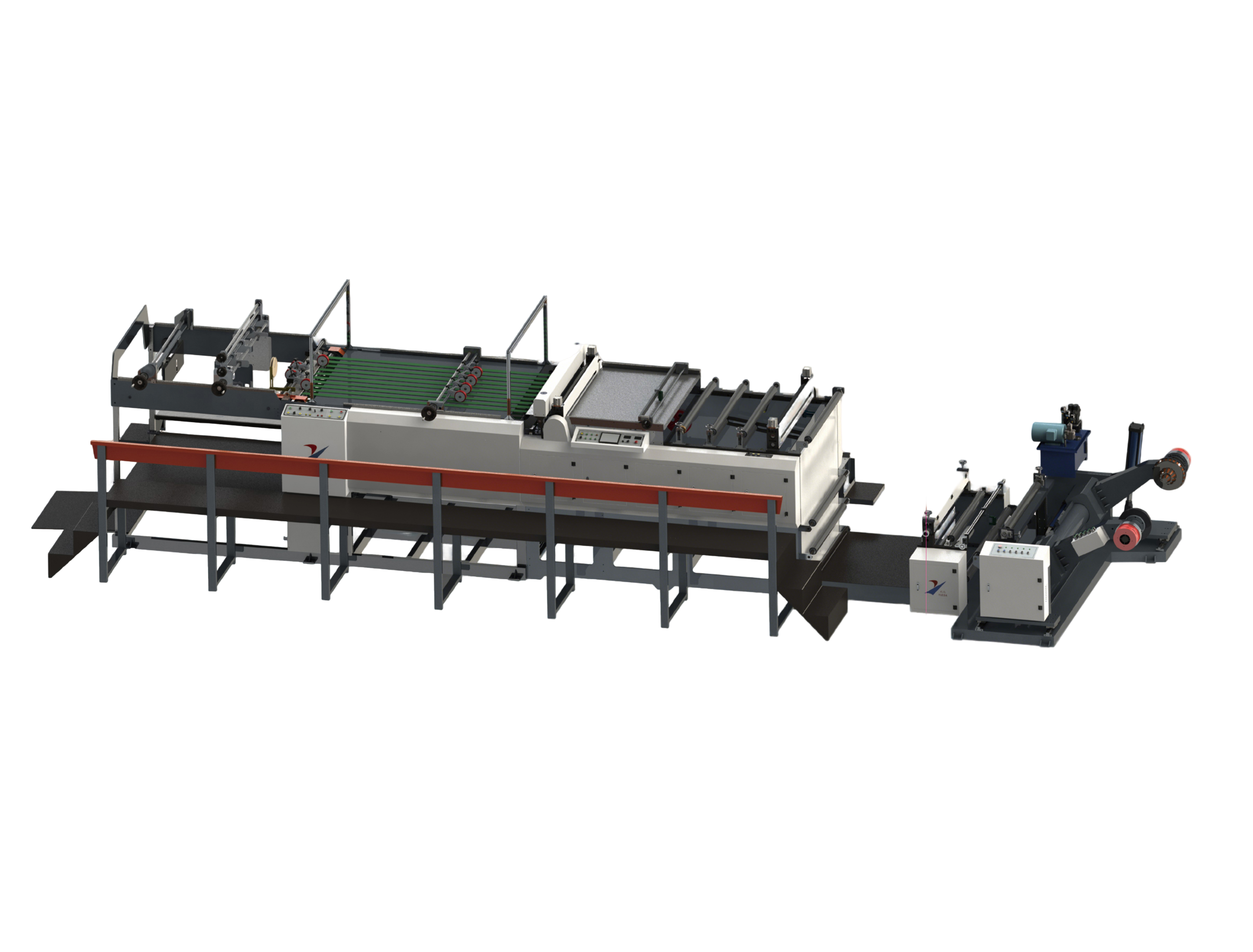
Maintain a contact and responsibility list for the project. Record who provides drawings, verifies the building information, arranges receiving equipment and reviews handover documents. Include supplier responsibilities as confirmed in the order rather than assumed from informal discussions. Where a task has not been assigned, mark it as open. An explicit gap gives the project team something to resolve; an unspoken assumption can remain hidden until a delivery vehicle or commissioning team arrives.
Ask for the drawings that apply to the delivered configuration and confirm their issue status. Distinguish a sales illustration, a preliminary layout and an installation drawing if the supplier uses those categories. Each can be useful while answering a different question. Record the drawing number or reference, revision and date so that the parties can discuss a dimension or interface without accidentally referring to different versions of the proposed machine arrangement.
Place the machine information on the buyer's current site drawing using a controlled review process. Identify dimensions that have been checked and areas where further survey work is required. Do not convert an approximate sketch into an approved installation plan simply because it looks consistent on a screen. The people responsible for the building and equipment should confirm the relevant details before that layout is used to authorize site work or equipment movement.
Describe the intended receiving route from the delivery point to the installation area. Include the relevant doors, turns, level changes and other restrictions that need assessment. Ask the supplier what information it can provide about delivered package dimensions, weights and handling interfaces. A product photograph may show the assembled machine, while the equipment may arrive in several sections with different receiving requirements. The receiving plan needs the actual delivery information.
Have the responsible specialists evaluate the route and proposed handling arrangements using the documented data. A successful delivery of a different machine does not establish that the same arrangement is appropriate for this order. Keep unresolved access questions on the project list and obtain confirmation before committing to the delivery arrangement. This is a coordination task: lifting methods, equipment selection and detailed movement instructions must come from the qualified parties and applicable equipment documentation.
Review the proposed installation area together with the incoming reel and outgoing sheet routes. The machine footprint is only one part of the space discussion. Operators, material handling and maintenance access may require additional areas specified by the supplier. Ask the supplier to identify the relevant spaces on its documentation, and have the site team evaluate how those requirements fit the building rather than estimating them from an image of a workshop installation.
Include nearby equipment, storage and ordinary traffic in that review. A layout that appears convenient when the room is empty may create an unresolved interface once regular production activity is considered. Record the assumptions used in the assessment and the people who confirmed them. If the buyer plans a later rearrangement, distinguish that future proposal from the site conditions that will actually exist when the machine is delivered and commissioned.
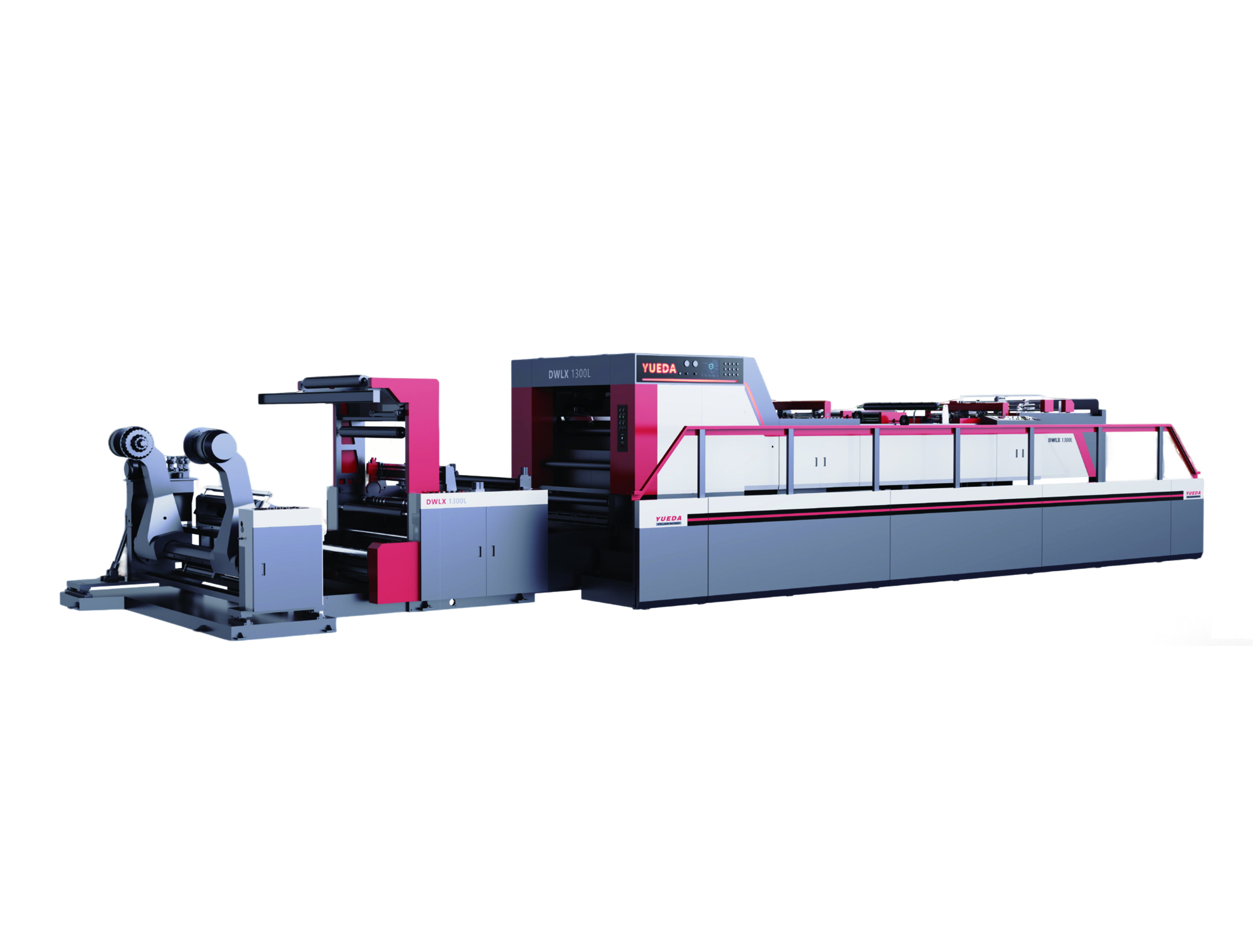
Request the equipment information that the responsible site engineer needs to evaluate the proposed location. The relevant subjects may include delivered sections, operating arrangement and installation interfaces, as defined for the actual machine. Do not assign a universal floor requirement to every paper sheeter or infer suitability from the appearance of an existing workshop floor. The decision needs the equipment data and an assessment of the specific building.
Keep the site assessment with the approved installation documentation. If information remains provisional, record what must be confirmed before the project can proceed to the relevant stage. A buyer should be able to distinguish a supplier-provided equipment fact from a building assumption or an engineering conclusion. That separation makes later questions easier to resolve and prevents a convenient early estimate from being repeated as though it were a verified installation requirement.
Ask the supplier for the documented service and utility requirements of the quoted configuration. Record the actual values and connection information when supplied, with their document references. Avoid inserting generic electrical or compressed-air figures from another machine. Even equipment serving a similar purpose can have a different arrangement, and a purchasing team needs the requirements of the machine being delivered rather than an approximate description of the product category.
Have the responsible site personnel compare those requirements with the services available at the intended location. Clarify who supplies each interface and who confirms completion. Changes should be reviewed before work is authorized, especially when the machine configuration or site arrangement has changed since the initial quotation. Keep this review at the project-document level; connection, testing and commissioning procedures belong to the qualified specialists and the instructions for the particular equipment.
Describe where incoming reels will be identified and held before they reach the sheeter. Connect that plan to the actual material range and the buyer's handling arrangements. The storage discussion should identify interfaces rather than invent a universal storage condition for all paper grades. Material-specific conditions should come from the paper supplier and the buyer's relevant controls, with the machine supplier consulted where the proposed process depends on a documented assumption.
Consider how material identification will remain connected to production jobs. A reel label, internal stock reference and trial record may need to refer to the same material. Agree how the project team will identify stock reserved for commissioning or acceptance so that it is not confused with another grade. This helps preserve the meaning of later trial observations and avoids evaluating the machine against a material substitution that was never part of the agreed plan.
Explain how finished sheets or stacks will leave the delivery section and reach the next process. Ask the supplier to identify the included delivery arrangement and the interfaces it expects the buyer to provide. Keep receiving materials, transport equipment and downstream feed requirements in the discussion. A machine may produce an acceptable sheet while the project still needs a clear agreement on how that output will be collected, identified and transferred within the buyer's operation.
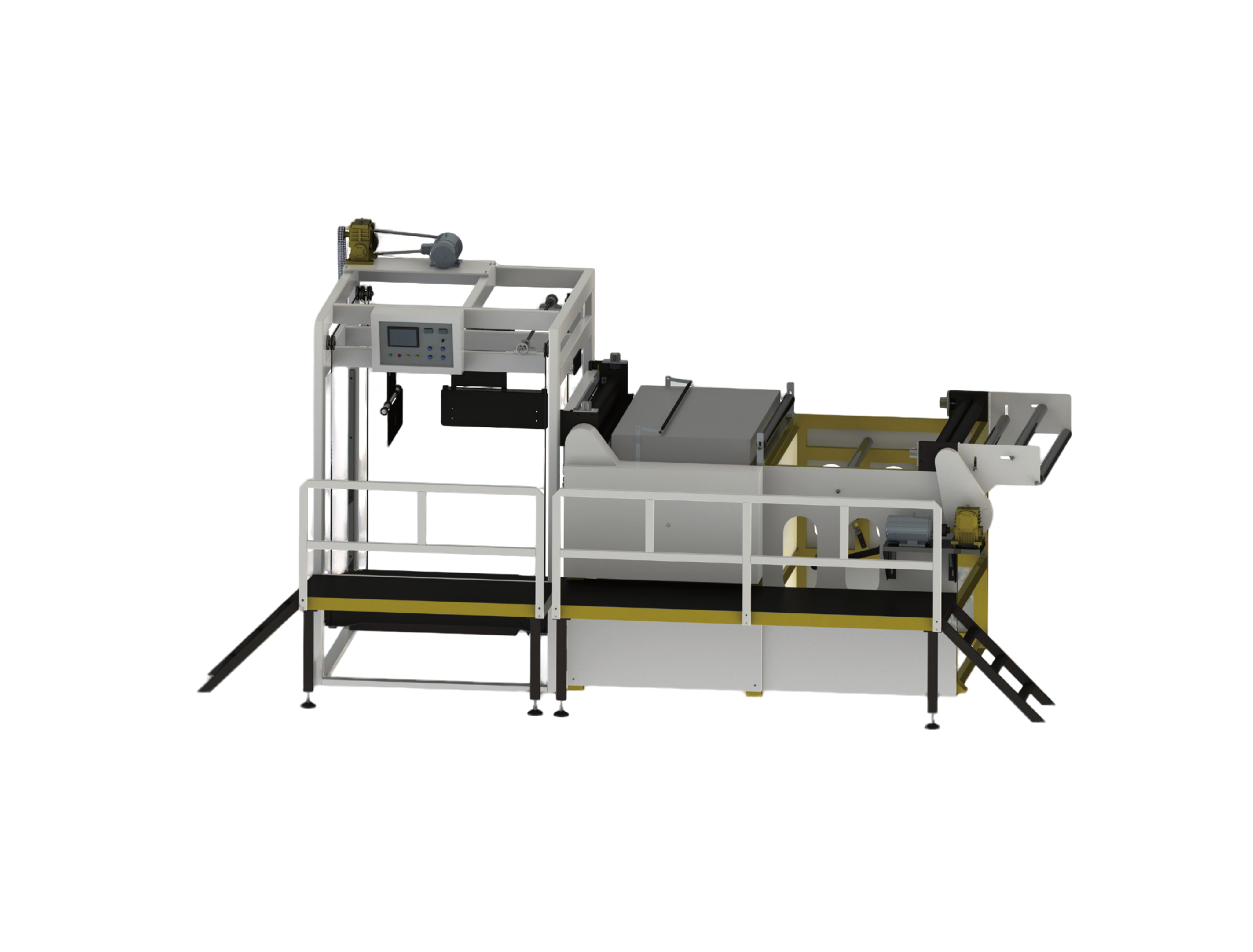
Use the agreed layout to check the relationship between the sheeter and those downstream activities. Include regular job changes and the way several jobs may be held separately. If the downstream process needs further evaluation of trial sheets, identify that evaluation and its responsible reviewer before the trial. This keeps installation planning connected to the purpose of the equipment rather than treating the machine as an isolated object that is complete as soon as it occupies its floor position.
Ask which delivery documents the supplier will provide and when they will become available. The project may need a packing list, equipment identification, package dimensions and other information relevant to receiving. Record the documents actually included in the order and the person responsible for checking them. Avoid assuming that a general shipping confirmation contains everything the receiving team needs to distinguish packages or reconcile them with the ordered configuration.
Keep commercial shipping arrangements and technical receiving information connected while respecting their different purposes. A document used for a transport transaction does not automatically provide the installation detail needed by the site team. If the buyer requires particular references on packages or records, communicate those requirements early and request confirmation. This gives the supplier a defined instruction and gives the receiving team an agreed basis for recognizing the equipment when it arrives.
Create a receiving record using the agreed packing information and configuration list. Include fields for package identity, receipt date and observations that the buyer needs to retain. Make it clear who can record an observation and who can make a technical acceptance decision. Receiving a package and accepting the complete machine are different project events, so the record should avoid treating the physical arrival of equipment as automatic confirmation that every order requirement has been met.
Where an external condition needs to be documented, record the package reference and the observed location clearly. Use photographs that preserve context and identify what they show. A useful receiving record supports a factual discussion with the responsible supplier or transport party; it should not guess the cause of an issue from an image alone. Keep the relevant delivery information available so that observations can be connected to the actual package rather than a remembered position on a vehicle.
A missing package reference, an unexplained component and a question about the agreed configuration require different follow-up. Classify the observation and identify the document needed to resolve it. An item may be supplied separately or included in another section, so ask for clarification before concluding that the order is incomplete. Equally, do not close a discrepancy solely because someone recognizes a similar item from another machine or an earlier project.
Maintain a discrepancy list with an owner, supporting evidence and a clear resolution status. Link each item to the packing list, drawing or order clause that makes the question meaningful. This allows the project team to distinguish a receiving matter from an installation interface or a commissioning issue. It also helps prevent an unresolved detail from being lost when responsibility moves from purchasing to the people who will receive and use the equipment.
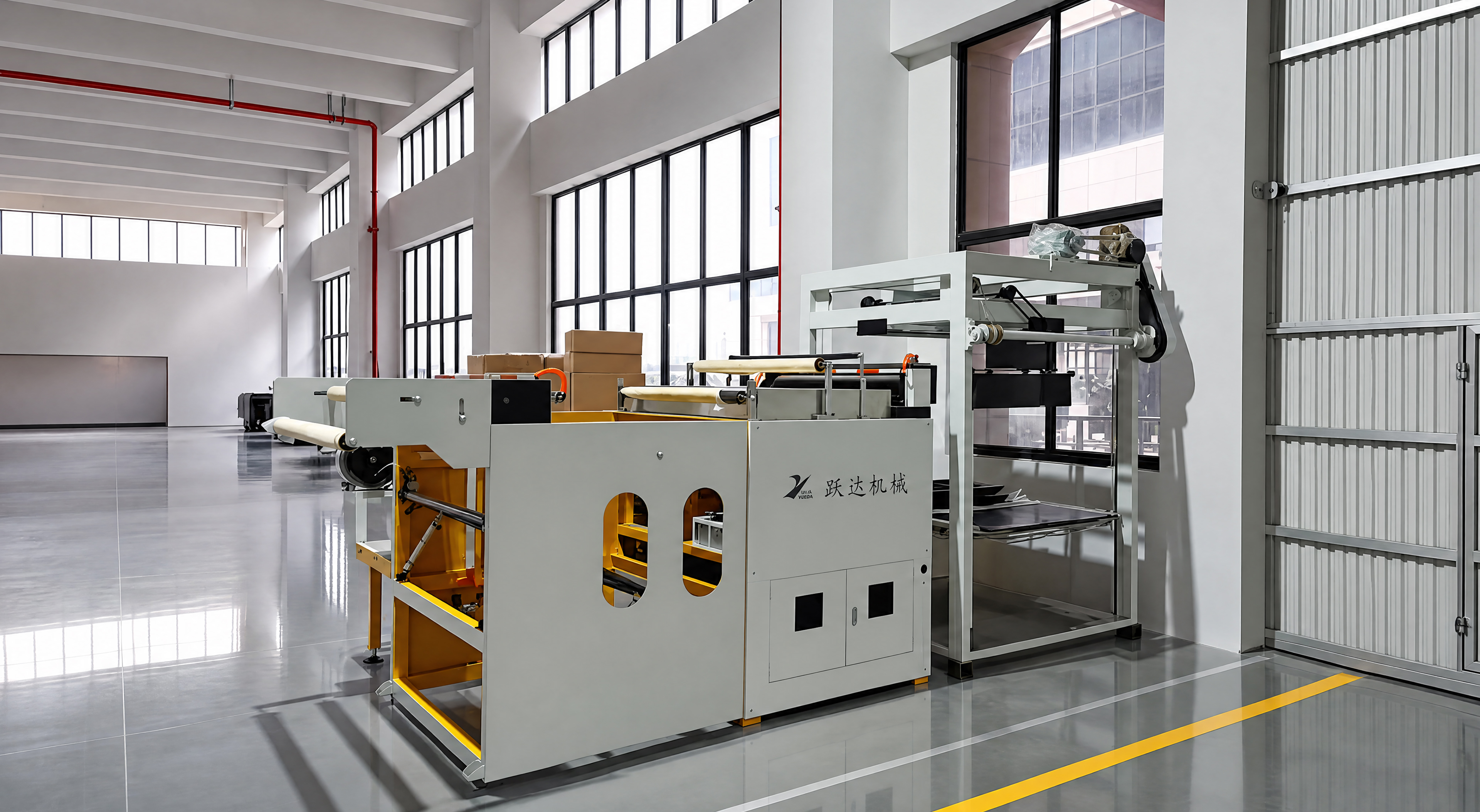
Ask the supplier how machine sections and relevant supplied components are identified. Record model plates, serial references or other identifiers where appropriate to the project. Keep their purpose clear: equipment identification supports documentation and communication, while the supplier's instructions establish the role and use of a component. A buyer should not assign a function from appearance alone or treat a visually similar replacement as equivalent without the necessary confirmation.
Connect identifiers to the handover file and support discussion. If a later question concerns a component, the parties should be able to refer to the actual delivered item and the relevant document. This is especially useful when a product family uses alternative arrangements or options. Good identification reduces ambiguity without requiring the purchasing team to invent detailed technical conclusions outside the information available for the ordered configuration.
Agree which materials and jobs will be available for commissioning or acceptance activities. Use the actual material references and finished-sheet requirements from the order discussion. Identify the source reels and preserve the information needed to interpret results. A commissioning exercise with conveniently available stock may help demonstrate a function, but it does not automatically establish the result for a different material range that the buyer intends to use in regular production.
Clarify who supplies the materials and what conditions or preparation the supplier requires under its documented procedure. If the available material differs from the agreed plan, record the difference and decide which conclusions remain supported. This prevents an early project demonstration from becoming an unqualified acceptance claim. The parties can then identify any additional evidence needed before the buyer closes a requirement or treats the equipment as ready for a particular production job.
List the order requirements that need acceptance evidence and identify the form of evidence expected for each one. Equipment configuration, documentation completeness and finished-sheet results may require different reviews. Keep measured results, visual observations and commercial confirmations distinct. An acceptance plan should make those differences understandable so that a general statement that the machine works does not replace the specific evidence the buyer and supplier agreed to obtain.
Use consistent sample identification and review references throughout the process. If the buyer needs a defined inspection method or sampling arrangement, agree it with the relevant people before the evaluation. Do not invent a universal tolerance from another machine's brochure. Where a result remains open, state the reason and the proposed next step. A transparent open item is more useful than an acceptance signature that leaves both parties with different interpretations of what was actually checked.
Clarify the training scope included in the commercial agreement and the people who need to attend. Ask which subjects are covered by the supplier's documented programme and which responsibilities remain with the buyer. Training records should identify the actual equipment configuration and the materials used to support the session. A general introduction to a product family can be useful while remaining different from the handover information needed for the delivered installation.

Keep attendance, supplied documents and unresolved questions in the project file. Do not assume a competence, service entitlement or operational guarantee from attendance alone. The buyer's responsible personnel should confirm how training connects to their own procedures and authorization arrangements. Detailed instructions must remain tied to the current machine documentation, so that an informal explanation from an early demonstration does not supersede the instructions supplied for the equipment that was finally delivered.
Ask what maintenance references and component information are included at handover. The relevant documents should correspond to the actual machine and options rather than a superficially similar model. Identify any documents that remain to be delivered and the party responsible for providing them. A purchasing team can check completeness and traceability without attempting to prescribe maintenance tasks, intervals or replacement methods that have not been confirmed by the equipment supplier.
Clarify the process for asking a future support question and the information the supplier will need. A clear equipment identifier and document reference can be more useful than a description based on colour or location. Keep commercial support terms in the agreement and distinguish them from general contact information. Do not infer a response time, parts availability promise or service obligation from a catalogue image or an informal discussion about a different installation.
If spare items are proposed, ask for their identification, purpose and relationship to the delivered equipment. Distinguish items included in the order from optional purchases and items the supplier recommends discussing later. A generic spare-parts list may not describe the configuration being delivered. The buyer should obtain the information needed to recognize what is supplied and keep it connected to the relevant documentation and agreed commercial scope.
Plan how supplied items will be received, recorded and stored according to the relevant supplier information. Record unresolved questions about identification or documentation rather than assuming that a familiar-looking part has a particular use. The project objective is a reliable handover record that supports the responsible maintenance team. It is not to replace that team's technical assessment or the instructions for selecting, installing or servicing components on the actual machine.
When a site arrangement changes, identify which approved assumptions are affected. Moving a storage area, changing a receiving route or placing another machine nearby can alter an interface that was previously reviewed. Inform the relevant parties using the current layout and request the appropriate reassessment. A change that appears small in a general floor plan may still matter to material handling, documented access or the scope of work included in the project.
Keep the accepted change and its supporting information in the revision record. Mark superseded drawings clearly so that old copies do not remain active instructions on site. If the change affects delivery or commissioning dates, connect that discussion to the commercial agreement rather than assuming the supplier can absorb it automatically. A controlled change process allows practical adjustments while preserving a shared understanding of the installation that will actually be handed over.
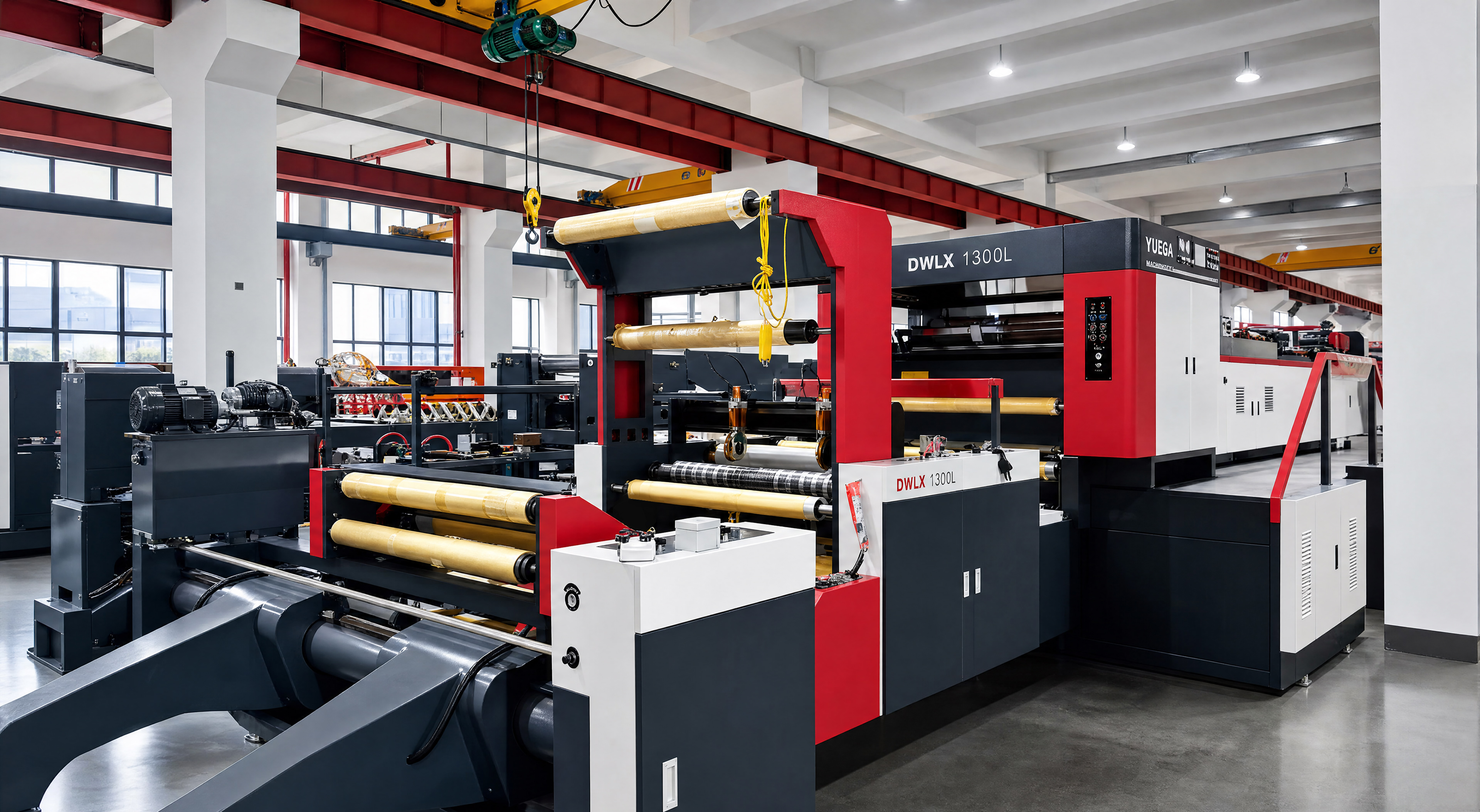
Before closing the project, review the discrepancy and open-item lists with the responsible people. An item should have a factual resolution, an accepted condition or a clearly assigned follow-up rather than disappearing because the machine has started to be used. Identify which document, sample result or supplier confirmation supports the resolution. This keeps the handover file useful for later questions and prevents an unresolved installation matter from being mistaken for a newly discovered problem.
Preserve the distinction between a complete project record and a prediction of future performance. Handover confirms the subjects that were actually reviewed within the agreed scope. It does not establish every possible material application or an unlimited production guarantee. If the buyer plans additional materials or a changed downstream process, keep those future evaluations separate and obtain the relevant confirmation instead of treating the original acceptance record as evidence for an application that was never assessed.
Assemble the current configuration list, drawings, receiving records, acceptance evidence and supplied documentation in a form that the relevant staff can retrieve. Use consistent equipment and revision identifiers throughout. Retain important correspondence that resolves a technical or commercial question, while avoiding an unstructured collection in which superseded versions are difficult to distinguish. The file should help a new project participant understand what was delivered and what information supports the current installation.
Review that file when responsibility changes inside the buyer's organization. The receiving team, production team and maintenance team may need different views of the same verified baseline. Keeping the record accessible helps each group use the information within its proper role. This also makes a future discussion with Yueda more precise, because questions can refer to the delivered machine, a specific drawing or an identified sample rather than a general description reconstructed from memory.
What should happen if a preliminary drawing and the latest quotation describe different arrangements? Ask the supplier to reconcile them before using either as an installation instruction. Can a photograph of another workshop establish that the buyer's floor and access route are suitable? It can illustrate an arrangement, but the actual site needs its own documented assessment. These questions help the team recognize where useful background material stops and project-specific confirmation is still required.
Should the buyer accept the entire machine when the packages arrive? Receiving and technical acceptance need their agreed separate records. What if an open item cannot be resolved during the planned handover? Record its scope, owner and accepted next step instead of describing it as completed. A paper sheeter purchase becomes easier to manage when delivery, site readiness and acceptance are connected by evidence, while each decision remains clear about the equipment, conditions and responsibilities it actually covers.
Contact: Peter Chen/Jack Chen
Mail : peterchen@yuedamachine.com
Cellphone: +86 18767458866/ +86 19857780001
Address: Building 2, No. 1333 Times Avenue, Longgang City,Wenzhou City, Zhejiang Province China
Copyright © 2026 Wenzhou Yueda Packaging Machinery Co., Ltd. All Rights Reserved.
SitemapThis website uses cookies to ensure you get the best experience on our website.
 Español
 Portugues
 Indonesia
 Tiếng Việt



 Phone
 E-mail
Comment
(0)