

A Shaft-less Positioning Sheeter quotation becomes more useful when it starts with the rolls a converter actually buys and the sheets the next process needs. Machine names alone do not describe the complete material route. Reel dimensions, core condition, paper behaviour, access around the unwind and the way finished stacks leave the machine can all affect the proposed arrangement. A clear purchasing brief connects those subjects before equipment alternatives are compared.
This guide explains how to prepare that brief and organize a representative supplier trial. It concerns specification, observation and acceptance records rather than instructions for running a machine. Loading, threading, adjustments, isolation and maintenance must follow the documentation for the particular equipment. Buyers should ask the supplier to explain the proposed configuration and its limits, without transferring a feature from a different model or treating a photograph as a performance certificate.
Draw a simple route from incoming reel storage to the next operation that uses the cut sheets. Include where rolls wait, where they are identified, how they reach the unwind and where accepted stacks are collected. The drawing does not need to be an engineering layout at this stage. Its purpose is to reveal interfaces that a machine-only quotation might leave outside the supply scope, such as material transport or downstream handling.
For each interface, identify who supplies the relevant equipment and who confirms compatibility. A roll transport arrangement, an unwind assembly, a cutting section and a delivery system may be discussed together while still carrying different responsibilities. Ask for a quotation that distinguishes included items, optional items and items supplied by the buyer. This makes competing proposals easier to compare and reduces the chance that an essential connection appears only after the order is approved.
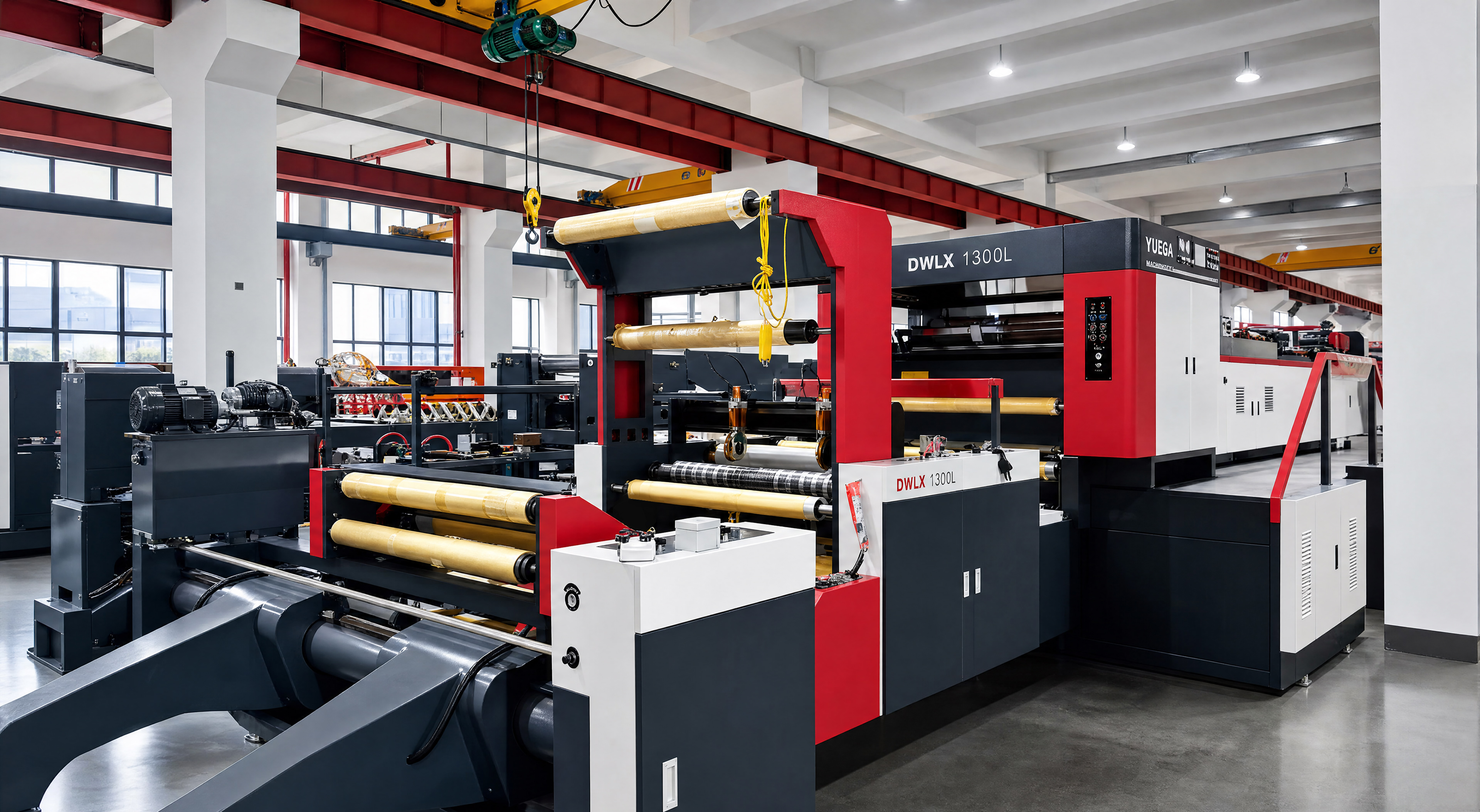
The term shaft-less commonly concerns the way a reel is supported at the unwind. It should not be interpreted as a statement that the entire machine contains no shafts, drives or transmission components. Ask the supplier to identify the relevant assembly on the proposed drawing and explain the reel interfaces. Use that explanation to connect the equipment description to your actual core sizes and incoming roll conditions.
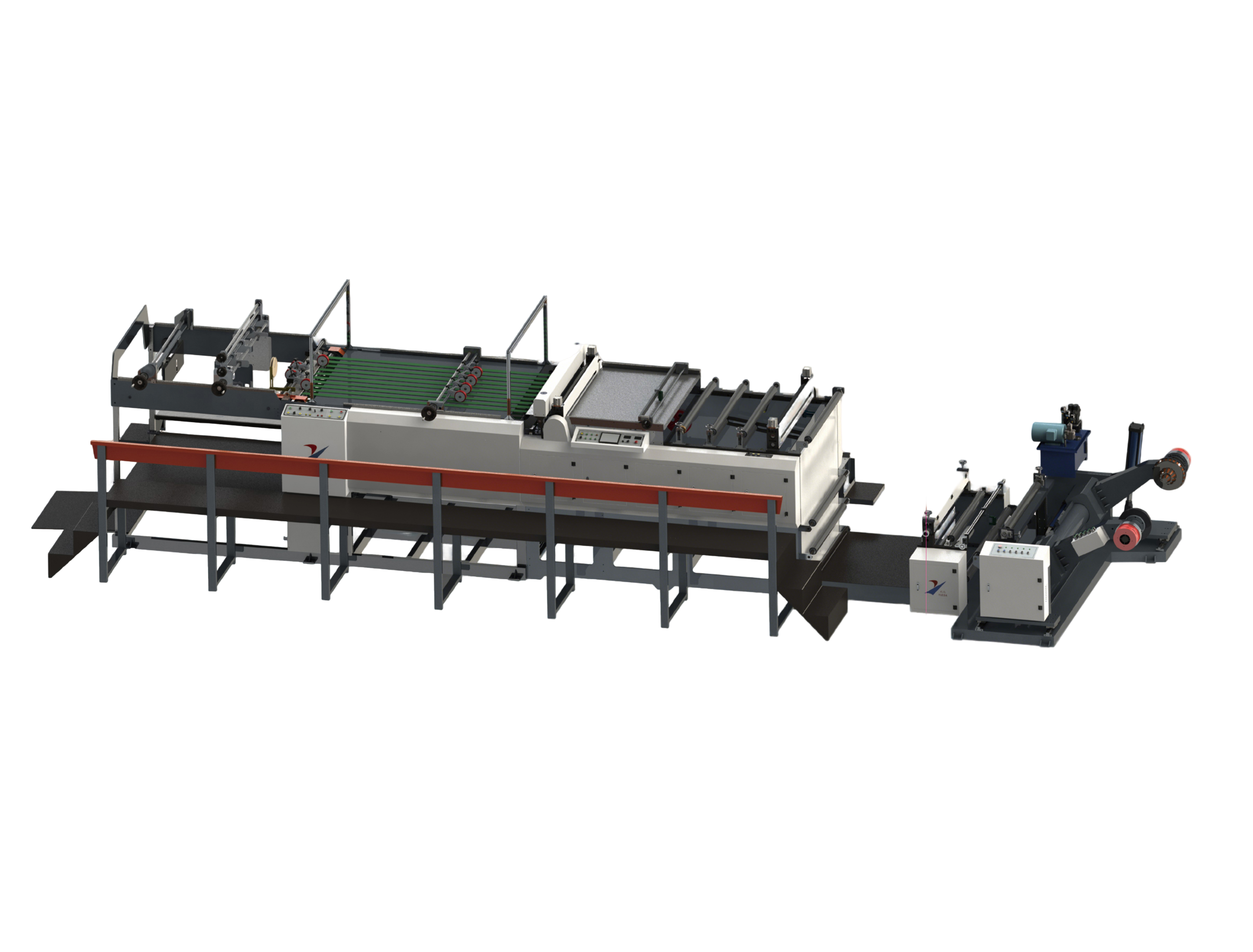
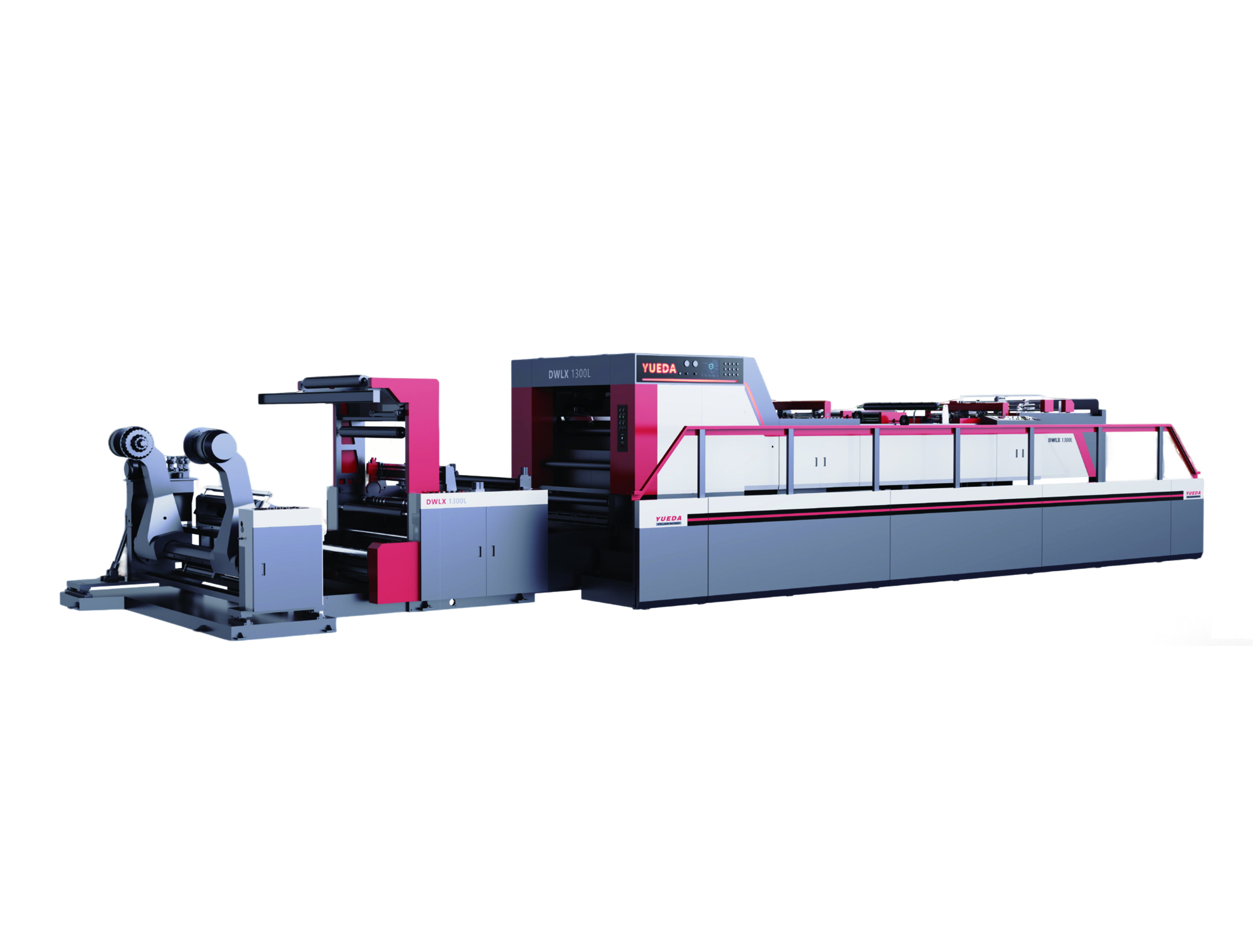
Keep this terminology separate from the cutting method and sheet delivery arrangement. An enquiry may discuss shaft-less reel handling, positioning, a rotary cutting system and stacking, but those words describe different functions. Record the exact model and configuration associated with each answer. If two machines are illustrated in a brochure, do not assume that a feature shown on one belongs to the other unless the supplier confirms it for the quoted equipment.
Prepare a data sheet describing the rolls used in regular production, including the largest and smallest relevant formats. Record the material identification, width, outside diameter, core dimensions and roll mass where those values are available from reliable records. State whether a value is measured, supplied by the paper vendor or estimated. An estimate can help start a discussion, but it should not silently become the final basis for equipment selection.
Include photographs of representative roll labels and end faces where appropriate, while keeping commercial information within the intended supplier discussion. Explain how materials vary between suppliers or seasons if this is known from your own records. A machine proposal based on one unusually convenient sample may not represent the normal workload. The useful question is whether the proposed arrangement covers the documented range, and what conditions or options apply at its boundaries.
Core dimensions are only part of the interface. The supplier also needs to understand the condition in which reels arrive. Note relevant observations such as distorted core openings, damaged ends, loose outer wraps or uncertain identification. These observations do not establish that the machine can accept a damaged reel. They help the parties discuss incoming material controls and decide which conditions require rejection or separate evaluation before a trial.
Ask how the proposed reel support arrangement is specified and what incoming conditions the supplier expects. Request the relevant documentation instead of inventing a universal acceptance rule for all shaft-less equipment. If the converter has recurring reel problems, include them in the enquiry as problems to investigate. Keep material acceptance, machine capability and operator procedures as separate subjects so that a convenient demonstration does not blur responsibility for unsuitable incoming stock.
Terms such as paper, board or coated stock cover a wide range of constructions. Provide the actual grade or product reference where possible and describe which face is printed, coated or otherwise important to the downstream process. Include the relevant basis weight or thickness information from the material specification. Avoid treating one measurement as a substitute for the whole construction, especially when surface condition or stiffness influences how the sheets are subsequently handled.
Explain the conversion that follows sheeting. Sheets intended for printing, laminating, folding or another operation may be judged differently even when their nominal dimensions match. Tell the supplier which visible and functional characteristics matter to that next stage. This does not require a claim that every material will run identically. It establishes the application against which samples, limitations and proposed machine options can be discussed with a shared reference.
The word positioning needs a practical definition in the purchasing brief. Describe whether the job starts from unprinted stock, preprinted stock or material with a reference that must relate to the finished sheet. Provide representative samples and the intended finished layout. Ask the supplier to explain what the quoted machine detects or controls, and which material or marking conditions are required for the proposed function to work as described.
Do not turn a general positioning description into a numerical guarantee that has not been offered for the actual job. If registration matters, agree where it will be measured, which reference is used and how samples will be selected. Keep the requested result, the supplier's proposed method and the acceptance evidence in separate parts of the record. That structure makes uncertainty visible before a trial rather than after a production commitment.
A changeover discussion should include more than the cutting-length setting. It may involve identifying the next material, moving the reel, preparing approved components, confirming the job specification and arranging the receiving stack. List the stages that apply to your operation without prescribing machine actions. Ask the supplier which stages belong to its documented procedure and which depend on the buyer's layout, handling equipment or production management system.
When comparing changeover demonstrations, record the starting and finishing conditions. A reel already waiting in position is different from one that still needs to be transported from storage. A trial with familiar material is different from the first evaluation of a new construction. Timing information is useful only when its scope is clear. Avoid comparing isolated stopwatch figures while the tasks, staffing or preparation included in them differ substantially.
Provide a preliminary site drawing showing relevant doors, columns, storage areas and intended material routes. Mark dimensions that have been checked and those that still require a site survey. Ask the supplier for the installation envelope and the access spaces required by its documentation. The visible footprint of a machine in a product image is not the complete area needed for operation, service or material movement around the installation.
Discuss the handling equipment and lifting arrangements with the responsible parties using the actual reel data and equipment documentation. Do not assume that an existing device is compatible simply because it can move a different reel elsewhere in the factory. Capture unresolved interfaces in a short responsibility list. A purchasing team can then obtain the necessary engineering confirmation before treating the proposed layout as approved or allowing a demonstration arrangement to become the default site plan.
Material behaviour during a trial should be discussed in relation to the supplier's documented control system. Ask what observations the supplier uses when evaluating the unwind and web path for the selected grade. Describe recurring issues from your existing process as observations, supported by samples where available. Avoid assigning a cause from a photograph alone: curl, marking, uneven presentation or feeding problems can involve material, setup and downstream handling as well as equipment configuration.
Request an explanation of the limits and conditions relevant to the proposed trial. The buyer does not need to invent settings or copy another converter's operating practice. The objective is to understand whether the supplier can establish a repeatable documented approach for the agreed material. Record any material preparation or environmental assumptions that affect the demonstration, and keep those assumptions connected to the result when reviewing what the trial actually supports.
Select trial jobs to represent meaningful differences in the production range, rather than choosing several samples that behave almost identically. A useful selection may vary the material construction, reel format, finished sheet size or downstream requirement. Explain why each job is included. The number and scope of trial jobs should be agreed with the supplier; more samples do not automatically produce better evidence if their identity and purpose are poorly controlled.
Create an identification sheet for every trial material and retain it with the resulting sheet samples. Record the source reel, material reference and requested output, along with any known departure from normal production stock. Keep enough traceability to distinguish a machine observation from an unexpected material substitution. If the actual trial differs from the agreed plan, note the difference directly and decide what additional evidence is needed before closing the evaluation.
Agree which finished sheet characteristics matter before the demonstration begins. Typical purchasing questions concern size, squareness, edge appearance, surface condition and how the sheets are presented to the next process. These are subjects for a job-specific acceptance plan, not universal performance claims. Ask the supplier to propose suitable assessment methods and discuss which observations can be made during the trial and which require subsequent checking by the buyer.
Keep measurement references consistent throughout the evaluation. State the instruments, sample identification and interpretation method where these have been agreed, and retain records of the actual observations. A statement that sheets looked acceptable at the machine is less useful than a traceable set of samples and results. Where a requirement remains unresolved, describe it as unresolved rather than converting the absence of an obvious problem into an unqualified acceptance decision.
Stack presentation affects the way a sheeting result is used, so the receiving process should be included in the enquiry. Describe how stacks are transferred, identified, protected and fed into the next operation. Ask the supplier which delivery arrangement is included in the proposed configuration and what receiving materials or handling equipment it requires. A product photograph can show an arrangement, but it does not establish compatibility with every pallet or downstream feeder.
During the trial, observe the actual stacks produced from the identified material and keep those observations separate from the sheet measurements. Discuss relevant issues such as alignment, visible disturbance or handling after collection without assuming that one appearance proves a particular cause. If further checking at the buyer's next process is needed, define that step and its acceptance responsibility. The supplier trial and the downstream evaluation should form one evidence chain.
Create a comparison sheet using the same incoming materials, finished jobs and supply boundaries for each proposal. Include the exact model, unwind configuration, proposed options, delivery arrangement and documentation scope. Record exclusions as carefully as included features. Where a supplier answers with a broad brochure statement, ask how it applies to the enquiry rather than copying the statement into a comparison cell as though it were a job-specific commitment.
Separate confirmed information from open questions and buyer preferences. An option that one supplier includes and another prices separately can otherwise distort the comparison. Similarly, a requested feature may remain technically unconfirmed even when it appears in a commercial discussion. Resolve those gaps before using a summary score to select equipment. A short comparison with reliable evidence is more useful than a long specification table filled with assumptions or borrowed figures.
Ask which drawings, manuals, component references and handover records are included for the proposed equipment. Clarify the language and format needed by the people who will use them. Documentation should relate to the delivered configuration and any agreed options. A general catalogue helps introduce a product family, but it cannot replace the instructions, installation information and maintenance references needed for the specific machine that will arrive at the buyer's site.
Discuss commissioning, training and support responsibilities through the actual commercial proposal. Record what is included, where it takes place and what the buyer must prepare. Do not assume a response time, spare-parts commitment or service entitlement from a website image or a general description. If continuity of supply for a component matters to the purchase, request a specific documented discussion of that component and the arrangements available for the quoted machine.
A successful trial should lead to a defined technical baseline. List the tested material references, configuration, agreed results and unresolved conditions. Connect that baseline to the quotation and subsequent order documents. If the proposed model or an important component changes after the trial, ask the supplier to explain the effect and identify whether additional confirmation is needed. Approval of one arrangement does not automatically approve every later substitution within the same product family.
Keep a simple revision record for the purchasing brief. Show what changed, who confirmed it and which sample or drawing now applies. This is especially useful when production, purchasing and engineering each communicate with the supplier. Without a shared baseline, an answer to an early enquiry can remain in circulation after the material range or intended output has changed, making a later disagreement look like a machine problem when it began as a specification gap.
Can a shaft-less unwind description alone establish suitability for our reels? No: the actual core interfaces, dimensions, mass, condition and proposed machine configuration need review. Can a trial on another paper grade establish acceptance for ours? It can provide background information, but it does not replace evidence for the agreed material and job. These questions are most useful when accompanied by identified samples and a clear explanation of what the buyer needs to decide.

Should a purchasing team request a changeover figure before discussing the process? It can ask, but the answer needs a defined starting point, finishing point and included tasks. Must every preference become a formal acceptance condition? No: distinguish essential requirements from preferences and observations. The supplier can then address the actual decision points, while both parties avoid treating an informal discussion or a single convenient demonstration as a complete statement of delivered capability.
If material loss is part of the purchase evaluation, define the accounting boundaries before comparing figures. Distinguish trial preparation material, material associated with a job transition, sheets reserved for inspection and material rejected for a documented reason. Ask how the supplier records these categories during a demonstration. A combined number without clear boundaries can hide substantial differences in the jobs being compared, even when everyone involved is reporting their observations honestly.
Do not convert one demonstration into a guaranteed production allowance without an explicit agreement. Normal production may involve different reel condition, job frequency, staffing or material variation. Preserve the underlying quantities, job references and explanations so that the purchasing team can assess what is relevant to its own workload. Where the evidence supports only a trial observation, label it as such and identify the additional production information needed for a commercial decision.
A converter that changes sizes frequently may ask different purchasing questions from one producing long runs of a narrow format range. Summarize the normal mix using your own production records, keeping confidential commercial details outside the enquiry where they are unnecessary. Show which formats occur regularly and which are occasional boundary cases. The supplier can then discuss the proposed arrangement in relation to the work that actually occupies the production schedule.
Keep future expansion separate from current requirements. A possible new material or sheet format may justify a discussion of options, but it should not be presented as an established production job without supporting information. Ask what can be confirmed now and what would require later trials or engineering review. This prevents a purchasing brief from becoming an unlimited list of hypothetical applications while still leaving a clear path for evaluating realistic future needs.
Identify which people need to review the trial result and what each person is qualified to assess. Production may focus on the material route, quality staff on sheet observations, maintenance on documentation and purchasing on the commercial scope. Provide the same identified sample set and revision-controlled brief to those reviewers. Separate comments about measured results from preferences about layout or convenience so that the final decision does not mix different kinds of evidence.
Retain the questions that remain open after internal review. Send them to the supplier as a consolidated list referring to the relevant sample, drawing or quotation section. This is more effective than several informal conversations that use different model names or material descriptions. When an answer resolves a question, update the shared record and preserve its source. A decision trail helps the team explain why it selected a particular configuration and what still requires confirmation.
What should a buyer do if the supplier cannot confirm a material boundary from the initial data sheet? Keep the boundary open and agree whether a sample, measurement or engineering review can resolve it. Do not silently reduce the intended production range simply to complete a comparison table. An honest unresolved item is useful purchasing information because it shows where the proposal still needs evidence before a final selection can be supported.
Can the same enquiry pack be used for a later machine purchase? It can provide a starting structure, but the materials, site arrangement and required output need a fresh review. Preserve the questions that proved useful while updating the job-specific facts. This keeps the purchasing method reusable without allowing a previous machine's acceptance record to become an unsupported specification for a different equipment configuration or a changed production requirement.
Bring the material route, reel data sheet, representative job list and finished sheet requirements into one controlled enquiry pack. Add relevant sample photographs and a preliminary layout, clearly marking unknown information. Keep the pack focused on the proposed application rather than filling it with unrelated specifications. The supplier should be able to see what enters the machine, what result is needed and which interfaces require a separate engineering or commercial answer.
Before approving an order, review the pack against the latest proposal and trial record. Confirm the exact configuration, included scope, evidence already obtained and any conditions still to be resolved. This creates a practical basis for discussing a shaft-less positioning sheeter with Yueda. It also gives the buyer a repeatable record for internal review, so that equipment selection is supported by the actual material and process requirements rather than by a product name alone.
Contact: Peter Chen/Jack Chen
Mail : peterchen@yuedamachine.com
Cellphone: +86 18767458866/ +86 19857780001
Address: Building 2, No. 1333 Times Avenue, Longgang City,Wenzhou City, Zhejiang Province China
Copyright © 2026 Wenzhou Yueda Packaging Machinery Co., Ltd. All Rights Reserved.
SitemapThis website uses cookies to ensure you get the best experience on our website.
 Español
 Portugues
 Indonesia
 Tiếng Việt



 Phone
 E-mail
Comment
(0)