

A Transverse Paper Cutting Machine is often discussed through its dimensions, configuration and proposed production rate. For a packaging buyer, the more useful starting point is the sheet that the next process can actually accept. A sheet may look satisfactory on a display table yet behave differently during printing, stacking or feeding. Defining cut quality before an equipment discussion helps purchasing, production and quality teams describe the same result, while keeping observations separate from assumptions about the cause of a defect.
This guide organizes a practical quality brief for discussions with Wenzhou Yueda Packaging Machinery Co., Ltd. It covers sample identification, measurement conditions, edge appearance and the records needed to review a trial. It does not prescribe machine settings or promise performance for a particular model. The applicable specification, operating manual and agreed evaluation procedure remain essential. A buyer should ask the supplier to confirm which functions and evaluation methods apply to the offered configuration and the intended paper or board.
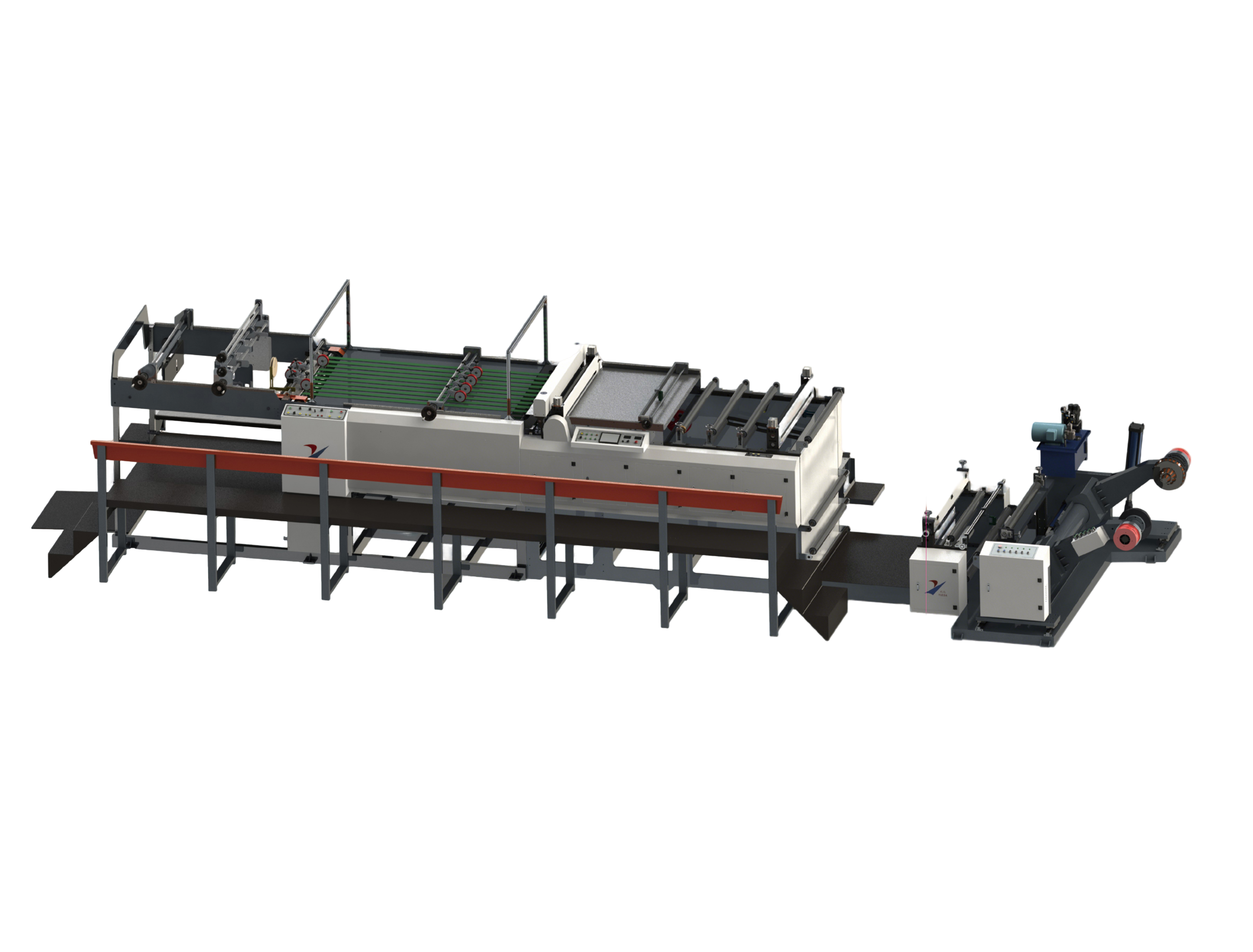
Write down where the cut sheets will go next. A printing feeder, a packaging assembly operation and a manual packing station may notice different problems. Describe the actual sheet path, handling sequence and intended orientation. Include whether the material will be used immediately, stored before conversion or moved to another location. These details help explain why a particular characteristic matters, without turning a general equipment enquiry into an unsupported guarantee that every downstream process will work identically.
Ask the people who receive the sheets to describe an acceptable result in observable terms. For example, they may need a consistent identification mark, an agreed grain direction or a stack that can be transferred without mixing jobs. Avoid vague requests such as perfect sheets or flawless cutting. Replace them with drawings, sample references and a list of features to review. A clear downstream job description gives the supplier a practical basis for proposing an evaluation rather than guessing what quality means.
The dimensions requested by a customer are requirements for the finished product. They do not automatically describe the performance of a machine under every operating condition. Keep the required result, the proposed equipment specification and the evidence from a particular trial in separate columns. This makes it possible to discuss a gap honestly. A successful demonstration on one material should remain a documented observation for that material and configuration, rather than becoming a universal statement about all future orders.
The same discipline applies to product names containing terms such as high precision. A name identifies a product category or positioning; acceptance still needs a defined measurement method and confirmed criteria. Ask which document governs the offered model, which options are included and what conditions apply to any quoted performance. Do not infer a numerical tolerance from a photograph, a headline or the appearance of a machine in a workshop. Resolve the relevant details in the written proposal before approval.
Give each trial material a reference that follows it from the original roll to the cut sample. Record the supplier's material description, nominal specification and any available batch reference. Keep confirmed information distinct from descriptions supplied informally by a distributor. When coating, printing or lamination is present, identify the relevant face and orientation. A sample without a reliable material reference is difficult to compare with a later sample, even when both pieces appear to have a similar colour and thickness.
Preserve differences between materials instead of combining them into one generic paper entry. Two stocks described by the same nominal weight may have different constructions or surface treatments. The buyer need not diagnose their technical behaviour from appearance. The immediate goal is traceability: the supplier should know which physical material produced each observation. If the material reference changes during the project, record the change and decide whether the earlier trial remains relevant to the intended purchase or needs a supplementary review.
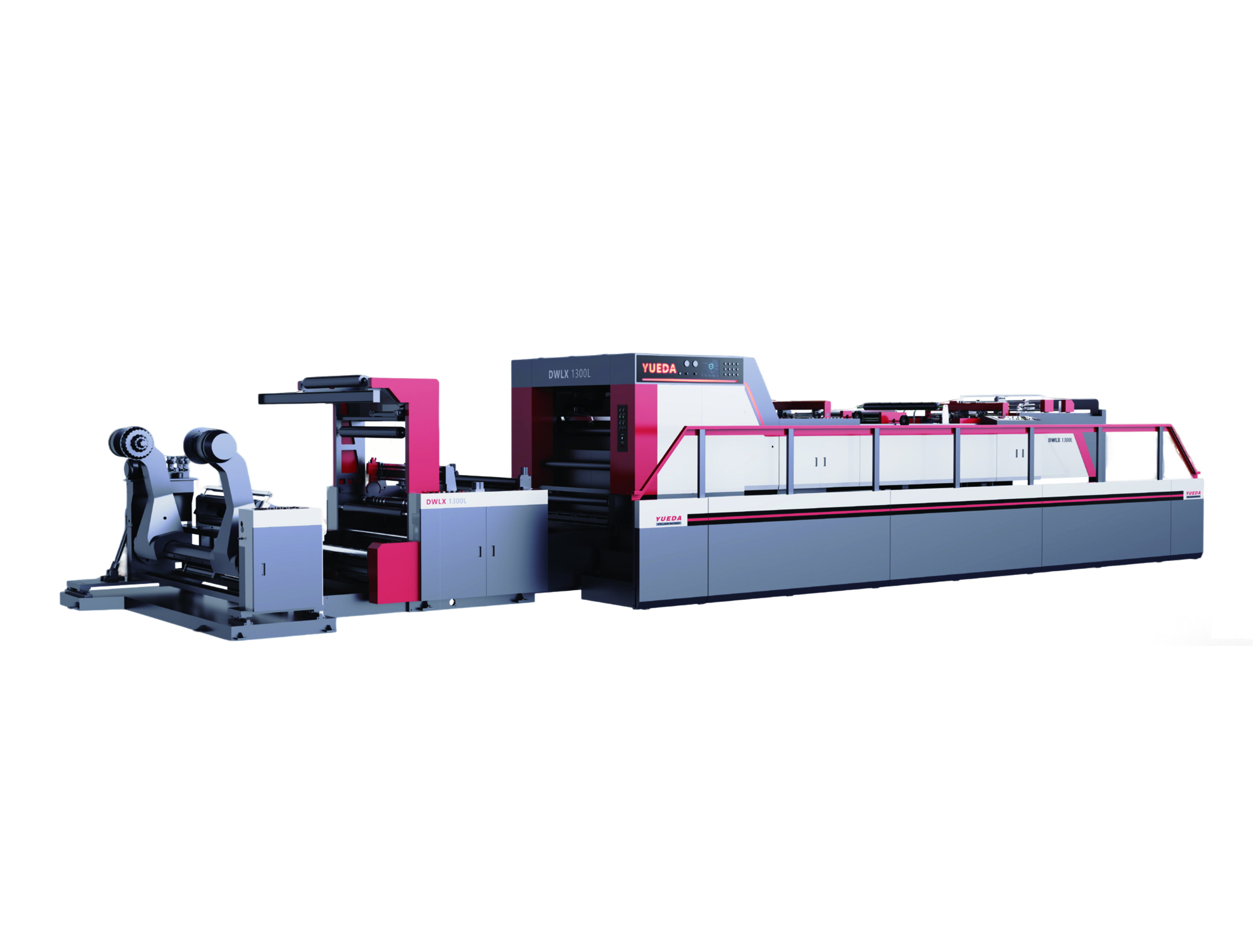
Label sample groups before the trial begins. A useful reference can connect the material, intended finished format, trial session and position in the collection sequence. Keep the identification visible on a separate label or approved marking area so that the measurement feature itself is not obscured. Avoid relying on the memory of the person who collected the sheets. The records should still make sense when another reviewer examines them after the discussion or when samples travel between the buyer and supplier.
Use the same references in photographs, measurement sheets and correspondence. If a sample is cut into smaller pieces for inspection, record which original sheet it came from. Keep reviewed samples separate from unreviewed examples and retain an agreed reference set when practical. This is especially useful when several sizes or materials are evaluated during one visit. It prevents a good result from one trial being attached accidentally to a different job and allows both parties to locate a specific concern quickly.
A dimension stated as width by length can be interpreted differently across purchasing and production teams. Use a drawing to show the direction across the web and the direction of travel. Mark the intended front face and any orientation requirement that matters to the next operation. Where a sheet can be rotated, explain whether rotation is acceptable. The drawing should describe the finished product clearly enough that a reviewer can identify the same edges without asking the original author to explain them.
Specify the units and the reference points used for measurement. Keep nominal dimensions separate from any agreed acceptance limits, and identify who has approved those limits. Do not add an assumed allowance merely because it seems customary. If the supplier proposes a different evaluation convention, compare it with the buyer's actual need before adopting it. A shared dimension convention removes a common source of apparent disagreement: two people can produce different numbers simply because they measured different features or orientations.
Choose a measurement approach suitable for the characteristic being reviewed and agree how it will be used. Record the measuring equipment identification and relevant condition or verification information when available. Describe the support surface and how the sample is positioned. The purpose is to make the observation understandable and reasonably repeatable, not to create an impressive list of equipment names. When a measurement depends on a particular fixture or procedure, retain enough detail for a later reviewer to follow the same approach.
Have the buyer and supplier compare a small set of readings together before collecting a large table of results. Differences may reveal ambiguity in edge selection, positioning or recording rather than a change in the sheet itself. Discuss those differences openly and settle the procedure before using the figures for a purchasing decision. If the method cannot resolve the difference that matters to the buyer, seek an appropriate evaluation method instead of adding more decimal places to an uncertain reading.
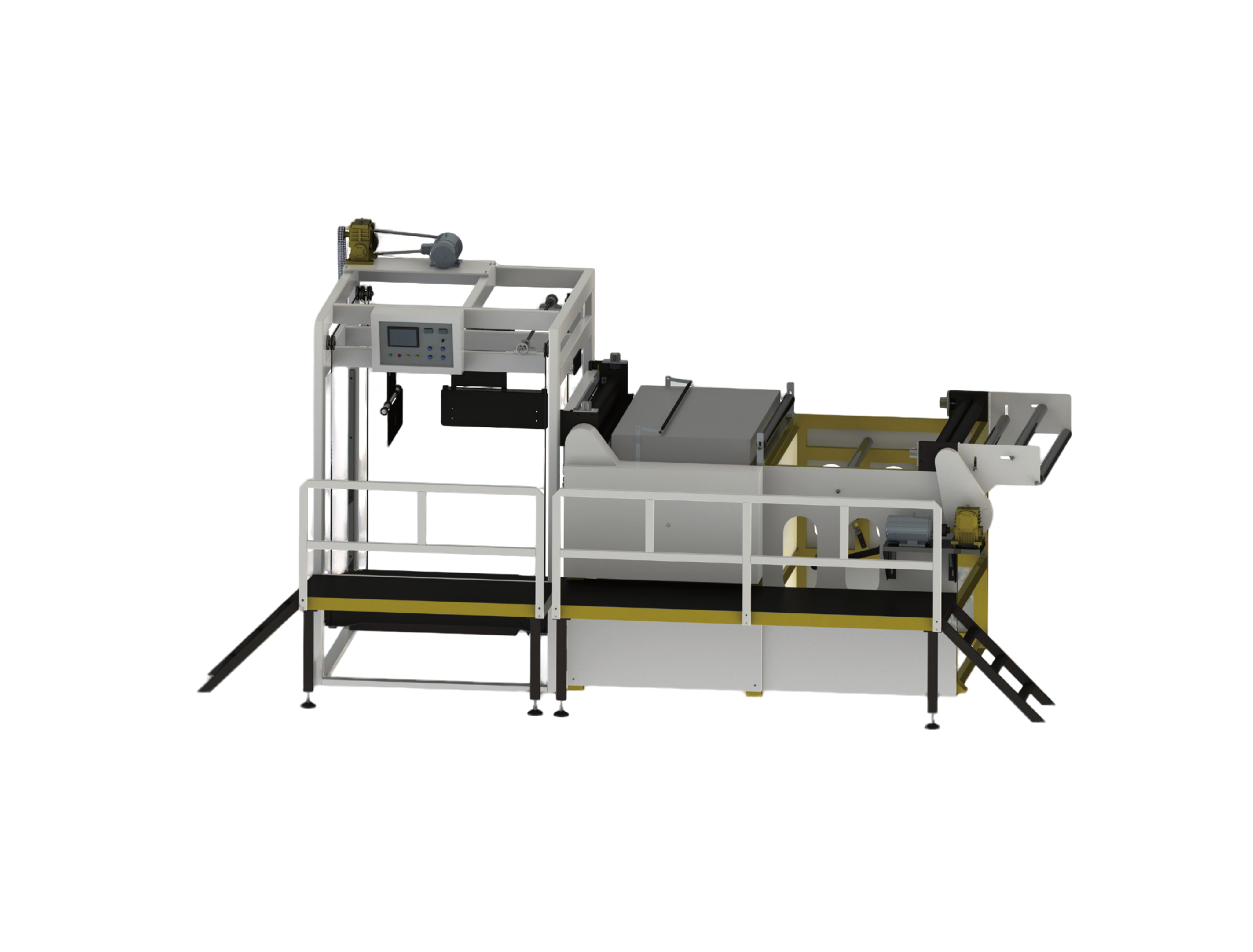
A single dimension taken at one location can conceal differences elsewhere on the same sheet. Decide which positions need attention based on the finished product and agreed review method. Use a simple sketch to show the reading locations. Keep the actual observations rather than replacing them immediately with one average. An average can be useful for a defined purpose, but it may hide a pattern that the production team needs to understand before accepting the trial or refining the evaluation.
Treat the number and distribution of readings as part of the agreed procedure. This article does not set a universal sample size or acceptance formula. Those choices depend on the requirement, the material and the level of evidence needed for the decision. If only a limited demonstration is possible, state the limitation plainly. A short trial can provide useful questions and observations without being described as proof of long-term process capability or the acceptance of an entire future production order.
When squareness matters, agree how it will be evaluated and how the result will be recorded. A visual impression alone may be insufficient, while an unexplained number can be equally unhelpful. Show the reference edges and the chosen evaluation approach. If diagonal measurements are part of the review, keep their relationship to the sheet drawing clear. Ask a qualified reviewer to confirm the method and interpretation for the intended requirement rather than assuming that one quick check proves every relevant geometric characteristic.
Keep observations about squareness separate from conclusions about machine condition. Material presentation, handling and the measurement method may also need consideration. A buyer can report that a particular sample did not meet an agreed criterion without claiming to know the underlying mechanism. Give the supplier the sample reference and supporting records, then request an explanation and a proposed next step. This keeps the conversation focused on a reproducible result and avoids turning an early observation into an unsupported technical diagnosis.
Describe how edge appearance will be reviewed. Lighting, viewing distance and the condition of the sample can influence what different people notice. Use an agreed reference example where possible and distinguish an appearance concern from a dimensional result. Record whether the observation relates to one edge, multiple edges or a particular face. A clear photograph can help locate the issue, but retain the physical sample when the decision depends on a feature that the photograph cannot show reliably.
Use neutral descriptions such as visible loose fibres, an uneven-looking edge or a mark at a stated location. Avoid assigning a cause from a photograph alone. In particular, do not turn a purchasing checklist into instructions for adjusting or accessing cutting components. Any investigation, maintenance or adjustment must follow the applicable machine manual and qualified operating procedures. The buyer's immediate contribution is a well-identified observation and a clear statement of why it matters to the next process, supported by the relevant sample.
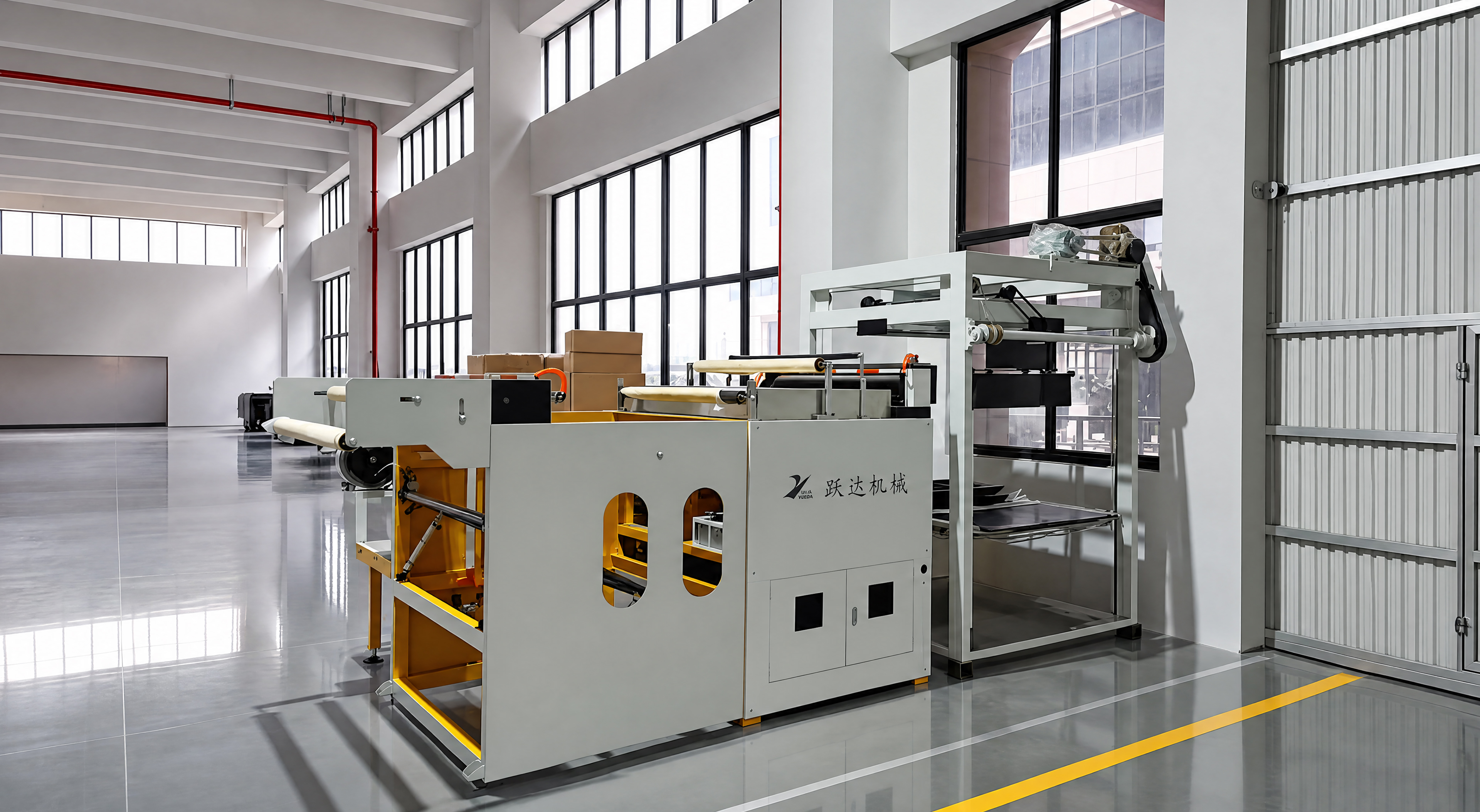
A mark noticed after cutting is not automatically evidence that the cutting action created it. Compare the available incoming material reference with the finished samples and document where the mark first became visible. Record its face, location and appearance without making an immediate attribution. If a comparison sample was not retained, say that the origin remains unresolved. This is more useful than recording a confident cause that neither party can reproduce or distinguish from an earlier material condition.
For printed or coated stock, explain whether the review concerns appearance, registration relative to an edge or another defined feature. Do not assume that every configuration includes print registration functions. Ask the supplier which features are available for the offered machine and what supporting material information is needed. Keep the commercial requirement visible while the technical scope is clarified. A photograph of printed material passing through a machine cannot establish the control method, included options or a confirmed registration tolerance.
Cut dimensions are only part of a usable output. Observe how the sheets are presented for collection and how job identity is maintained. Record whether the intended receiving arrangement is included in the offered scope or depends on additional equipment and procedures. Describe what the buyer's team needs to do next with the stack. This makes handling questions concrete while avoiding assumptions about automatic counting, stacking or transfer functions that have not been confirmed for the proposed configuration.
Keep stack observations tied to the trial conditions. A neatly arranged display sample does not demonstrate how every order will be handled during routine production. Ask which observations were made during the actual run and which were prepared afterwards for discussion. Neither is inherently useless, but they answer different questions. Where handling is important to the purchase, include it in the agreed trial plan and record the relevant material, sheet size and receiving arrangement alongside the cut-quality observations.
A useful trial record shows when a material, format or agreed operating condition changes. Ask the responsible supplier representative to identify the configuration used for each sample group. The buyer should not infer settings from a photograph or enter restricted machine areas to collect information. Keep the record at the level needed to connect observations with the demonstrated configuration, following the supplier's approved procedures and any confidentiality boundaries agreed for the visit or remote demonstration.
When an adjustment is made during a review, preserve the earlier results rather than replacing them with the later outcome. Record the reason given for the change and which sample group followed it. This helps distinguish an initial observation from a revised demonstration. It also prevents the final purchasing summary from implying that all results were obtained under one unchanged condition. The objective is an honest account of what was demonstrated, including remaining questions, rather than a collection of only the most attractive examples.

Photographs work best when they answer a specific question. Include the sample reference and a clear view of the feature being discussed. Use an appropriate scale or reference only where it can be interpreted correctly, and avoid perspective that makes a dimension appear precise when it is not. Keep unedited originals of evidence photographs where practical. A general machine picture can identify the equipment, while a sample detail picture can locate an observation; neither replaces the relevant written specification or measurement record.
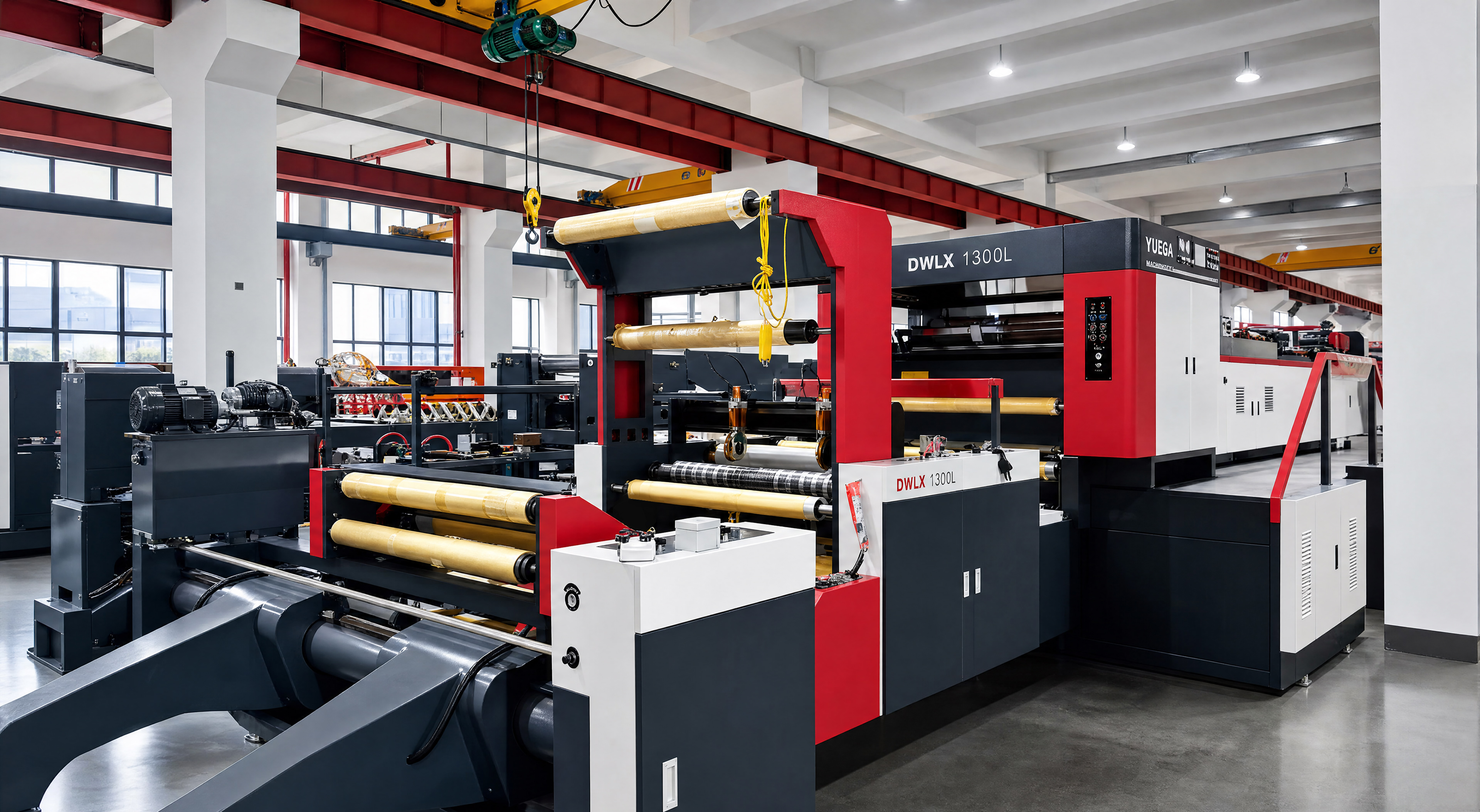
The product and workshop pictures accompanying this guide come from Yueda's media library. They show equipment and workshop views for identification and discussion. They do not prove a particular cut tolerance, production rate, material range or the availability of an option on a quoted machine. Use them to frame precise questions about the offered configuration. Confirm the commercial scope and evaluation evidence through the applicable documents instead of treating visual similarity as proof that two machines or proposals are identical.
A useful issue report states the sample reference, expected result, observed difference and evidence location. Explain the downstream consequence without exaggerating it. For example, identify the actual receiving step affected rather than saying that the entire production line is unusable when no such evaluation has occurred. Ask the supplier to confirm whether the observation can be reproduced and what additional information is needed. This makes it easier to choose between a further trial, a clarified specification or a revised scope.
Keep open questions separate from agreed corrections. Record who will provide the next piece of information and which decision depends on it. If the supplier proposes a different criterion, obtain the relevant buyer approval before treating it as accepted. A meeting note should not silently change a product requirement. Clear responsibility and version control allow purchasing to compare proposals on a consistent basis and prevent unresolved sample concerns from disappearing between a demonstration, a quotation and the final order discussion.
Imagine a buyer preparing packaging sheets for two separate downstream jobs. Both jobs use the same nominal sheet dimensions, but one requires a particular face and orientation to remain identifiable. The other has an additional appearance requirement for an exposed edge. The buyer should keep two job references rather than combining them into a single size line. The brief can show the shared dimensions once while attaching the different orientation and appearance requirements to their respective jobs. This makes the actual difference visible without inventing a different machine capability for each line.
For the demonstration, the buyer and supplier agree to identify each material roll and collect separately labelled sample groups. They also agree a drawing convention and decide which observations will be measured and which will be described visually. The resulting record might contain a satisfactory dimension check, an unresolved edge observation and a handling question that was not evaluated. These are different statuses. The brief should preserve them separately rather than converting the whole session into a single statement that the machine passed or failed.
After the discussion, the supplier is asked to explain the unresolved observation using the identified samples and the confirmed configuration. The buyer asks its downstream team to clarify the handling question. Neither party needs to guess the other's answer. When the information arrives, the purchasing summary can identify which requirement is resolved, what evidence supports it and whether a supplementary demonstration is needed. This example describes an organizational method only; it is not a report of a Yueda trial, a customer project or a claimed test result.
Decide how reviewed samples will be identified and protected when they travel between teams. Record the condition in which they were dispatched and any relevant handling information supplied with them. If a sample arrives bent, marked or otherwise changed, distinguish that observation from the condition documented at collection. Do not assume that a later photograph represents the original trial state. A simple transfer record helps both parties identify whether they are discussing the same evidence and whether another reference is needed before interpreting a difference.
Where the material supplier provides handling or conditioning guidance, retain the applicable reference and ask the responsible reviewer how it affects the evaluation. This article does not prescribe a universal humidity, temperature or waiting period for every paper and board. Those details depend on the material and the agreed procedure. Record what was actually done and identify limitations. Preserving the context of a sample is often more useful than collecting additional measurements from material whose identity or condition can no longer be established with confidence.
A clean-looking edge is one observation. Suitability also depends on the required dimensions, orientation, material, handling and the intended downstream use. Review the complete agreed sample brief rather than allowing an attractive edge photograph to stand in for every criterion. If the next process has not been evaluated, describe that part as pending. This protects both parties from confusing a successful visual check with a broader performance conclusion that the available evidence does not support.
Conversely, an appearance concern should be assessed against the actual requirement instead of being dismissed because a dimensional reading is satisfactory. Different features can matter for different jobs. Ask the relevant buyer representative to explain the importance of the feature and agree an appropriate evaluation. The purchasing decision becomes clearer when each requirement has its own evidence and status, with no need to force all observations into a single informal judgment of good or bad cutting.
A trial provides evidence for the material, configuration and conditions that were actually evaluated. It can help identify questions for related work, but it should not be extended automatically to every paper or board a buyer may use later. Group future materials carefully, identify what is confirmed and ask the supplier which differences require additional review. Where the product mix is still uncertain, make that uncertainty part of the purchasing discussion rather than presenting a speculative list as an established operating requirement.
The final brief should combine the finished-sheet drawing, identified material references, agreed review method, sample records and unresolved questions. Send these together when discussing a transverse paper cutting machine so that individual photographs and figures retain their context. A clear evidence package supports a more precise equipment conversation and a practical next step. Any final acceptance terms, performance commitments and operating instructions must come from the applicable agreement and machine documentation for the confirmed scope.
Contact: Peter Chen/Jack Chen
Mail : peterchen@yuedamachine.com
Cellphone: +86 18767458866/ +86 19857780001
Address: Building 2, No. 1333 Times Avenue, Longgang City,Wenzhou City, Zhejiang Province China
Copyright © 2026 Wenzhou Yueda Packaging Machinery Co., Ltd. All Rights Reserved.
SitemapThis website uses cookies to ensure you get the best experience on our website.
 Español
 Portugues
 Indonesia
 Tiếng Việt



 Phone
 E-mail
Comment
(0)