

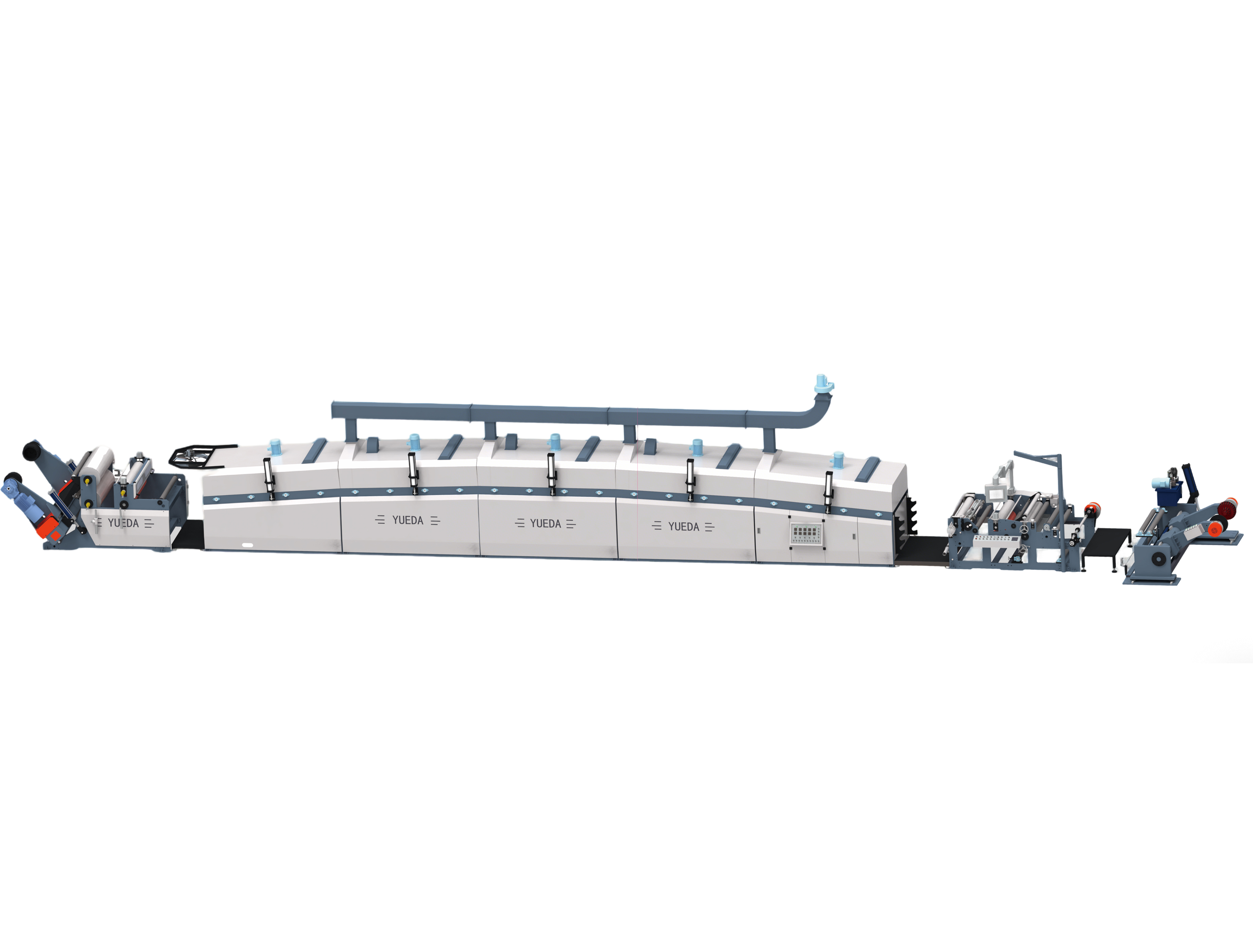
YDLM1300B gold and silver cardboard lamination is a specialized industrial process used to bond metallic-effect films,
decorative layers, or protective laminates onto cardboard and paperboard substrates. In packaging, printing, premium
branding, and display manufacturing, this type of lamination is widely valued for its visual impact, surface protection,
and consistent production performance. When the process is managed with strong material traceability and clear shift handover
records, manufacturers gain better quality control, reduced waste, stronger compliance support, and more reliable batch
consistency.
This content provides a comprehensive, SEO-friendly overview of YDLM1300B gold and silver cardboard lamination,
focusing on industry definitions, production benefits, traceability systems, shift handover documentation, technical
specifications, workflow practices, and quality management principles. The material is written for use in blog posts,
category pages, product detail pages, and industrial landing pages. It is designed to be original, keyword-rich, and
easy for search engines to crawl and understand.
YDLM1300B gold and silver cardboard lamination refers to a lamination system or process category used for applying
metallic gold and silver finishes onto cardboard surfaces. In common industrial usage, the term may describe a machine
model, production line configuration, or process specification associated with decorative lamination of packaging boards,
luxury carton materials, book covers, presentation folders, gift boxes, and retail display boards.
The main purpose of gold and silver cardboard lamination is to enhance the appearance, durability, and market value of the
final product. Gold lamination creates a premium, elegant, and high-end visual effect, while silver lamination offers a
clean, modern, reflective, and sophisticated finish. Both are frequently used in industries where brand presentation and
shelf appeal are critical.
In modern manufacturing environments, YDLM1300B cardboard lamination processes are expected to support efficient operation,
stable tension control, uniform adhesion, accurate temperature control, and reliable roll-to-sheet processing. When paired
with material traceability and shift handover records, the process becomes more transparent and easier to manage across
multiple operators, shifts, and production batches.
Gold and silver cardboard lamination is not only about appearance. It plays an important role in product positioning,
packaging durability, and brand communication. In retail markets, consumers often associate metallic finishes with premium
quality, special editions, festive packaging, and luxury presentation. This makes gold and silver lamination valuable for
many sectors, including cosmetics, electronics, confectionery, wine and spirits, stationery, greeting cards, promotional
packaging, and gift products.
From a production perspective, laminated cardboard can provide additional resistance to abrasion, moisture exposure, and
general handling wear. It can also improve surface smoothness and support downstream converting operations such as die-cutting,
folding, gluing, and box forming. When done correctly, cardboard lamination can raise product consistency while maintaining
an attractive finish.
| Advantage | Industry Value |
|---|---|
| Premium metallic appearance | Improves shelf impact and supports luxury branding |
| Enhanced surface protection | Helps resist scuffing, light abrasion, and handling damage |
| Stable production repeatability | Supports consistent batch quality across multiple shifts |
| Improved downstream converting | Assists with die-cutting, folding, and box assembly |
| Better product traceability | Enables tracking of materials, operator actions, and batch records |
| Cleaner quality control | Makes defect analysis and root-cause review easier |
| Stronger compliance support | Helps document process conditions for audits and internal reviews |
Material traceability is one of the most important management systems in YDLM1300B gold and silver cardboard lamination.
It refers to the ability to track raw materials, auxiliary materials, process conditions, and output results throughout the
production cycle. Traceability allows manufacturers to identify where each material came from, when it was used, which operator
handled it, which machine settings were applied, and which finished batches were produced.
In lamination operations, traceability is especially valuable because quality can be influenced by many factors, including
cardboard grade, film type, adhesive quality, surface cleanliness, humidity, temperature, roller pressure, coating uniformity,
and storage conditions. If a defect appears later in the production cycle, traceability records help teams determine the source
quickly and accurately.
Good material traceability reduces the risk of using the wrong roll, mixing incompatible materials, or losing visibility over
batch-specific process conditions. It also supports quality assurance, inventory control, recall readiness, and customer confidence.
| Traceability Item | Typical Record Content |
|---|---|
| Base cardboard | Grade, thickness, supplier code, lot number, receiving date |
| Gold or silver film | Material type, roll ID, batch number, width, finish type |
| Adhesive or coating | Product code, viscosity, mixing ratio, expiration date, batch number |
| Process parameters | Temperature, speed, pressure, tension, drying time |
| Operator identity | Name, employee ID, shift, workstation assignment |
| Machine identification | Machine model, line number, maintenance status, tool setup |
| Inspection results | Defect type, sample count, pass/fail result, corrective action |
| Finished goods batch | Production date, carton quantity, storage location, shipment reference |
Material traceability offers practical advantages in every stage of lamination production. First, it helps protect product
quality by making it easier to isolate problems. If a roll of silver film shows poor adhesion, traceability records can
identify all affected batches, which reduces unnecessary rework and limits waste.
Second, traceability improves accountability. When operators know that material usage, setup changes, and inspection outcomes
are recorded, process discipline tends to improve. Third, traceability supports faster decision-making during quality incidents.
Instead of reviewing incomplete notes or relying on memory, supervisors can use structured records to locate the cause of an issue.
Fourth, traceability is useful for compliance and customer communication. Many buyers in packaging and print converting expect
documentation that proves control over materials and process changes. Clear traceability demonstrates professionalism and
manufacturing maturity.
Shift handover records are another essential part of controlled lamination production. Because YDLM1300B cardboard lamination
may run across multiple shifts, information must be transferred accurately between outgoing and incoming operators. A shift
handover record is a formal document or digital log that summarizes the current production situation, equipment condition,
material status, quality status, maintenance notes, and abnormal events.
The goal of shift handover is to ensure continuity. Without a proper handover, new operators may not know about material shortages,
machine adjustments, unfinished inspections, or recurring quality issues. This can lead to confusion, downtime, scrap, or
inconsistent product quality. Well-structured handover records reduce these risks and help maintain stable production flow.
| Handover Field | Description |
|---|---|
| Shift information | Date, shift time, outgoing team, incoming team |
| Production status | Running, stopped, changeover, trial run, completed batch |
| Machine condition | Operational status, alarms, adjustments, abnormal noise, wear points |
| Material usage | Cardboard roll ID, film roll ID, adhesive batch, remaining quantity |
| Quality issues | Wrinkling, bubbles, delamination, color variation, edge defects |
| Action taken | Corrective measures, temporary fixes, follow-up checks, escalation |
| Safety notes | Hazards, cleaning status, blocked areas, PPE reminders |
| Supervisor comments | Priority tasks, special instructions, pending approval items |
Shift handover records improve lamination quality because they protect process continuity. In industrial production, many quality
problems do not appear immediately. A minor temperature drift, adhesive inconsistency, or film tension variation can begin during
one shift and become visible only after the next shift starts. If the new team has no information about those changes, the problem
may continue unnoticed.
By using clear handover documentation, teams can preserve important knowledge. This includes which settings produced the best
finish, which material lot showed unusual behavior, which inspection samples were borderline, and which machine parts may require
attention. Handover records help each shift build on the work of the previous team instead of starting from incomplete information.
Gold and silver lamination processes can face several quality challenges. Surface defects may appear if dust, static, or
contamination is present on the cardboard. Wrinkles may occur if tension control is unstable. Poor adhesion may result from
incorrect temperature, insufficient pressure, unsuitable adhesive viscosity, or incompatible substrates. Silver and gold finishes
may also show visual inconsistencies when film alignment is inaccurate or when pressure is uneven across the web width.
Other common problems include edge lifting, bubbles, surface haze, gloss inconsistency, delamination, and registration deviation.
These issues can often be minimized through proper parameter control, regular equipment maintenance, operator training, and
reliable recordkeeping. Traceability and shift handover records are especially helpful because they make it easier to connect
a defect with a specific material lot, operator action, or machine event.
For high-quality YDLM1300B gold and silver cardboard lamination, material control should begin before production starts. Incoming
cardboard and film rolls should be labeled, inspected, and stored under suitable conditions. Batch numbers should be recorded at
the time of receipt and linked to the job ticket. Any material with visible damage, moisture issues, or unclear labeling should
be quarantined until verified.
During production, materials should be issued according to the approved job plan. Operators should confirm substrate size, film
width, adhesive type, and process settings before starting the line. When a roll change or parameter adjustment occurs, the change
should be recorded immediately. This ensures the traceability chain remains complete.
After production, leftover materials should be counted, labeled, and stored correctly or disposed of according to site procedures.
Finished goods should be identified with batch codes so they can be traced back to the original process record if necessary.
The exact technical specifications of a YDLM1300B lamination system may vary depending on configuration, production goal,
and application requirements. However, the table below provides a general industry-style specification framework suitable
for blogs, product directories, and process pages.
| Specification Item | Typical Range or Description |
|---|---|
| Supported substrate | Cardboard, paperboard, coated board, decorative board |
| Laminate finish | Gold metallic, silver metallic, gloss, decorative reflective finish |
| Production width | Machine-dependent, commonly used for medium to wide format board processing |
| Line speed | Adjustable according to material type and finish requirement |
| Temperature control | Stable heating system for adhesion and surface bonding |
| Pressure control | Adjustable roller pressure for uniform contact and smooth finishing |
| Tension control | Automatic or semi-automatic tension adjustment for film stability |
| Control system | Industrial operator interface with parameter monitoring and alarms |
| Quality monitoring | Sampling inspection, visual inspection, and process verification |
| Documentation support | Traceability logs, batch records, handover reports, defect logs |
Gold and silver cardboard lamination is commonly used in premium packaging and printed products where appearance is a key
selling factor. Typical applications include luxury cartons, cosmetic boxes, perfume packaging, wine boxes, invitation cards,
holiday packaging, promotional sleeves, presentation folders, display headers, gift boxes, and specialty retail materials.
In many markets, metallic cardboard surfaces help products stand out on crowded shelves. Gold finishes can suggest celebration,
exclusivity, and sophistication. Silver finishes can suggest technology, cleanliness, modern style, and precision. These
aesthetic associations make laminated cardboard a valuable choice for seasonal and premium product lines.
Manufacturers using YDLM1300B gold and silver cardboard lamination can benefit from stronger process discipline and improved
output stability. Better traceability reduces the time needed to investigate defects. Better handover records reduce the risk
of operational gaps during shift changes. Together, these systems can lower rework rates, improve yield, and support more efficient
planning.
When operators can access accurate information about the last production run, they are more likely to start the next run correctly.
This improves setup efficiency, reduces start-up scrap, and helps maintain stable product appearance. In competitive packaging
markets, these gains can have a meaningful effect on cost control and customer satisfaction.
Material traceability and shift handover records should not be treated as separate administrative tasks. In a mature quality
management system, they work together as a connected framework. Traceability answers the question of what materials and conditions
were used. Handover records answer the question of what happened during the previous shift and what attention is still needed.
Together, they create a full production memory. This memory supports preventive maintenance, defect analysis, audit preparation,
customer complaint handling, and internal process improvement. For YDLM1300B gold and silver cardboard lamination, this is
especially valuable because decorative finishes are highly visible and surface defects are easy for customers to notice.
| Document Type | Main Purpose |
|---|---|
| Incoming material log | Records cardboard, film, and adhesive receipt data |
| Production batch sheet | Tracks job number, settings, output quantity, and operator |
| Inspection report | Captures quality checks and defect findings |
| Shift handover form | Transfers critical operational information between teams |
| Nonconformance log | Documents abnormal events, root causes, and actions taken |
| Maintenance record | Stores service history, repairs, and calibration notes |
| Finished goods label | Identifies final batch code and storage information |
YDLM1300B gold and silver cardboard lamination combines premium metallic finishing with practical industrial production control.
Its value goes beyond surface appearance. When supported by material traceability and shift handover records, the process becomes
more reliable, more transparent, and easier to manage at scale. Manufacturers can track raw materials, maintain quality consistency,
reduce errors, and strengthen communication between shifts.
For businesses and industrial content pages focused on cardboard lamination, premium packaging, metallic finishing, process
documentation, and production quality, YDLM1300B gold and silver cardboard lamination is a strong topic with broad commercial
relevance. Clear traceability systems and structured handover records are essential elements that support long-term production
stability and consistent customer satisfaction.
```
Contact: Peter Chen/Jack Chen
Mail : peterchen@yuedamachine.com
Cellphone: +86 18767458866/ +86 19857780001
Address: Building 2, No. 1333 Times Avenue, Longgang City,Wenzhou City, Zhejiang Province China
Copyright © 2026 Wenzhou Yueda Packaging Machinery Co., Ltd. All Rights Reserved.
SitemapThis website uses cookies to ensure you get the best experience on our website.
 Español
 Portugues
 Indonesia
 Tiếng Việt



 Phone
 E-mail
Comment
(0)