

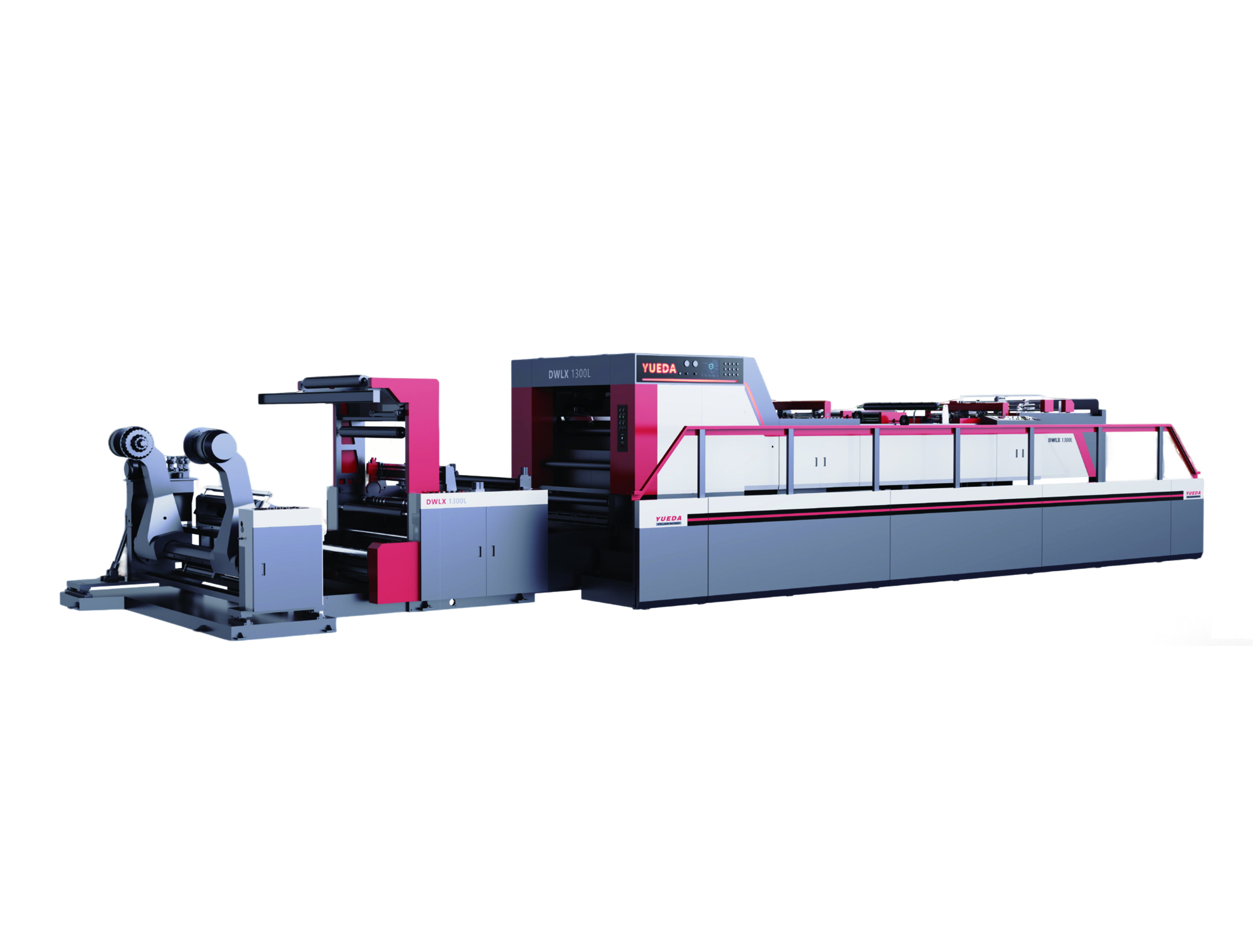
When buyers source gold and silver cardboard lamination products for premium packaging, luxury printing, gift boxes, cosmetic cartons, promotional sleeves, and decorative paperboard applications, sample evaluation becomes one of the most important steps in the purchasing process. The YDLM1300B gold and silver cardboard lamination standard is often discussed by buyers who need consistent metallic finish, stable adhesion, clean surface appearance, and reliable production performance. For B2B procurement teams, packaging engineers, and printing buyers, a clear sample quality acceptance criteria framework helps reduce defects, control costs, and support long-term supply consistency.
This article provides a comprehensive, SEO-friendly, industry-generic guide to gold and silver cardboard lamination quality standards, including definitions, advantages, technical specifications, inspection methods, sample acceptance criteria, and practical buyer checklist items. It is written for use in blog posts, directory pages, category pages, and industry landing pages, with a structure designed to support search engine indexing and strong keyword relevance.
YDLM1300B gold and silver cardboard lamination refers to a type of metallic lamination process used on cardboard or paperboard to create a shiny gold or silver visual effect. The finish is commonly applied to packaging boards, printed cartons, display cards, cover sheets, luxury labels, and decorative inserts. The lamination layer can be produced using metallic film, metallized paper, transfer layers, or other surface treatment methods depending on manufacturing requirements.
In commercial packaging, gold and silver lamination is valued for both aesthetics and performance. Gold lamination creates a premium, elegant, and high-value appearance, while silver lamination delivers a modern, clean, reflective, and technical look. Together, these finishes are widely used in markets where visual impact influences product positioning.
Sample approval is not just a formality. It is the foundation of quality control for metallic cardboard lamination. Without defined acceptance criteria, buyers may face inconsistencies such as uneven shine, poor adhesion, color deviation, scratches, bubbles, edge lifting, or weak folding performance. These issues can lead to production delays, waste, customer complaints, and brand damage.
A structured sample quality acceptance criteria system helps buyers:
Metallic lamination offers both functional and visual benefits. Buyers often choose gold and silver laminated cardboard because it improves marketability while maintaining paperboard usability.
| Advantage | Description | Buyer Benefit |
|---|---|---|
| Premium appearance | Creates a shiny metallic surface with strong shelf appeal | Supports luxury branding and high-end packaging |
| Brand differentiation | Distinctive gold or silver finish improves product visibility | Helps products stand out in competitive markets |
| Surface protection | Lamination can improve resistance to abrasion and surface wear | Enhances packaging durability during handling and transport |
| Printing compatibility | Suitable for overprinting, embossing, UV effects, and hot stamping | Provides flexible design options |
| Versatile usage | Applicable to gift boxes, sleeves, labels, covers, and display boards | Useful across multiple packaging categories |
Gold and silver cardboard lamination is widely used across packaging and printing industries. Typical applications include:
Buyers should evaluate laminated samples using a clear and repeatable inspection standard. The following acceptance criteria are commonly used in the packaging and printing industry for gold and silver cardboard lamination quality control.
| Inspection Item | Acceptance Criteria | Common Defects to Reject |
|---|---|---|
| Surface appearance | Uniform metallic gloss, consistent reflection, smooth and clean finish | Cloudiness, dull areas, uneven shine, contamination marks |
| Color consistency | Gold or silver shade should match approved reference sample within agreed tolerance | Color shift, patchy tone, faded metallic effect |
| Adhesion strength | Lamination film must stay firmly bonded to cardboard under normal handling | Peeling, delamination, bubbling, lifting edges |
| Scratch resistance | Surface should resist minor handling marks under standard packaging use | Visible scratches, abrasion lines, scuffing |
| Folding performance | No cracking or major whitening at fold lines under intended use conditions | Cracks, broken film, stress whitening |
| Cutting and die-cutting | Edges should remain neat after cutting, with no excessive fraying or separation | Rough edges, film splitting, edge peel |
| Printability | If overprinting is required, inks should adhere and dry properly on the laminated surface | Ink smearing, poor bonding, unclear graphics |
| Thickness uniformity | Thickness should remain consistent across the sheet within agreed production tolerance | Warping, uneven build, local thickness variation |
| Flatness | Sheets should remain flat and suitable for feeding, stacking, and processing | Curling, warping, wave deformation |
| Odor and contamination | Material should be clean, odor-controlled, and free from visible contamination | Strong odor, dust, oil marks, foreign particles |
Before sample approval, buyers should confirm a set of technical specifications. These values may vary by project, but the following are the most important fields to define during procurement.
| Specification | Typical Buyer Requirement | Why It Matters |
|---|---|---|
| Base board material | Paperboard, cardboard, duplex board, or specialty carton board | Affects stiffness, folding, and final packaging performance |
| Metallic finish | Gold lamination or silver lamination | Determines visual effect and branding style |
| Surface gloss | High gloss, semi-gloss, or controlled reflective finish | Impacts shelf appeal and premium look |
| Sheet size | Custom or standard size according to press and converting equipment | Important for manufacturing efficiency |
| Thickness | Defined by project requirements and end-use application | Influences rigidity and processability |
| Adhesive type | Heat-activated, pressure-sensitive, or process-specific bonding system | Controls lamination durability |
| Surface treatment | Printable, embossable, or non-printable depending on use | Determines downstream processing compatibility |
| Environmental compliance | As required by market standards and customer regulations | Supports export and brand compliance |
| Packaging format | Flat sheets, wrapped pallets, or custom cartons | Protects surface quality during transport |
A practical buyer checklist improves sample review efficiency and reduces disputes later in the supply chain. The following checklist can be used as a basic acceptance workflow.
| Step | Checklist Item | Pass/Fail Question |
|---|---|---|
| 1 | Confirm product identity | Does the sample clearly match the requested gold or silver cardboard lamination type? |
| 2 | Check visual consistency | Is the color, gloss, and reflection consistent across the full sheet? |
| 3 | Inspect surface defects | Are there any scratches, dust spots, bubbles, wrinkles, or stains? |
| 4 | Test folding and creasing | Does the surface remain intact after folding or scoring? |
| 5 | Test cutting or die-cutting | Do the edges stay clean and free from lamination separation? |
| 6 | Check adhesion | Does the lamination stay bonded under standard handling? |
| 7 | Confirm printing compatibility | If printing is required, does the surface support acceptable ink performance? |
| 8 | Review packaging and protection | Was the sample delivered with sufficient protection against damage? |
| 9 | Compare against master sample | Does it match the approved reference sample within tolerance? |
| 10 | Document results | Are inspection notes and approval decisions recorded clearly? |
Understanding common defects helps buyers reject poor-quality samples early. The most frequent issues include:
| Defect | Description | Impact on Buyer |
|---|---|---|
| Delamination | Lamination layer separates from the cardboard base | Causes failure during converting and product use |
| Bubbles | Air pockets appear between the film and board surface | Reduces visual quality and may expand over time |
| Wrinkles | Surface becomes uneven or folded during lamination | Creates an unprofessional appearance |
| Scratches | Visible lines or marks on the metallic surface | Weakens premium presentation |
| Color inconsistency | Different shades across sheets or between batches | Leads to brand inconsistency |
| Edge lifting | Film lifts from the edge after cutting or storage | Indicates poor process control |
| Cracking at fold lines | Metallic layer breaks when the board is folded | Can make cartons unusable |
| Contamination | Dust, oil, or particles trapped on the surface | Produces visible defects and rejection risk |
Sample evaluation should be performed under controlled conditions. Buyers should inspect the material using natural light or standardized lighting, compare it with the approved reference sample, and test the sample under expected end-use conditions. If the final product requires printing, embossing, die-cutting, or gluing, those processes should be included in the sample test when possible.
For procurement teams, a disciplined quality control process provides measurable benefits. It improves supplier comparison, reduces rework, and creates a reliable approval path. Buyers can also use the same criteria across multiple vendors, which makes sourcing more transparent and easier to manage.
| Quality Control Benefit | Procurement Result |
|---|---|
| Standardized inspection | More consistent sample approval decisions |
| Early defect detection | Lower production risk and less material waste |
| Reference sample matching | Improved batch-to-batch consistency |
| Process compatibility checks | Fewer downstream manufacturing issues |
| Clear acceptance records | Better supplier communication and traceability |
Buyers seeking reliable gold and silver cardboard lamination should follow several best practices:
Buyers often ask the following questions during sample review and sourcing discussions.
| Question | What Buyers Should Clarify |
|---|---|
| Is the finish gold or silver? | Confirm the exact metallic shade and reference standard. |
| Can it be printed? | Ask whether the surface supports inks, coatings, or UV treatment. |
| Will it crack at folds? | Check fold performance under intended carton construction. |
| Is the adhesion stable? | Verify bonding strength and long-term handling durability. |
| Does it support die-cutting? | Confirm clean cutting and edge integrity. |
| How is the gloss level controlled? | Ask for gloss consistency across sheets and batches. |
YDLM1300B gold and silver cardboard lamination is a widely used material category for premium packaging and decorative paperboard applications. For buyers, the most important step is not only choosing the right metallic look, but also defining clear sample quality acceptance criteria that cover appearance, adhesion, folding performance, printing compatibility, and defect control. When sample inspection is structured and documented, buyers can make smarter sourcing decisions, reduce risk, and support consistent production quality.
Whether the application is luxury packaging, gift boxes, retail display cards, or high-end carton finishing, a well-defined quality framework helps ensure that the final laminated product meets both visual and functional expectations. By using the tables, checklist points, and defect criteria above, buyers can create a more professional and SEO-friendly quality standard for gold and silver cardboard lamination procurement.
Contact: Peter Chen/Jack Chen
Mail : peterchen@yuedamachine.com
Cellphone: +86 18767458866/ +86 19857780001
Address: Building 2, No. 1333 Times Avenue, Longgang City,Wenzhou City, Zhejiang Province China
Copyright © 2026 Wenzhou Yueda Packaging Machinery Co., Ltd. All Rights Reserved.
SitemapThis website uses cookies to ensure you get the best experience on our website.
 Español
 Portugues
 Indonesia
 Tiếng Việt



 Phone
 E-mail
Comment
(0)