

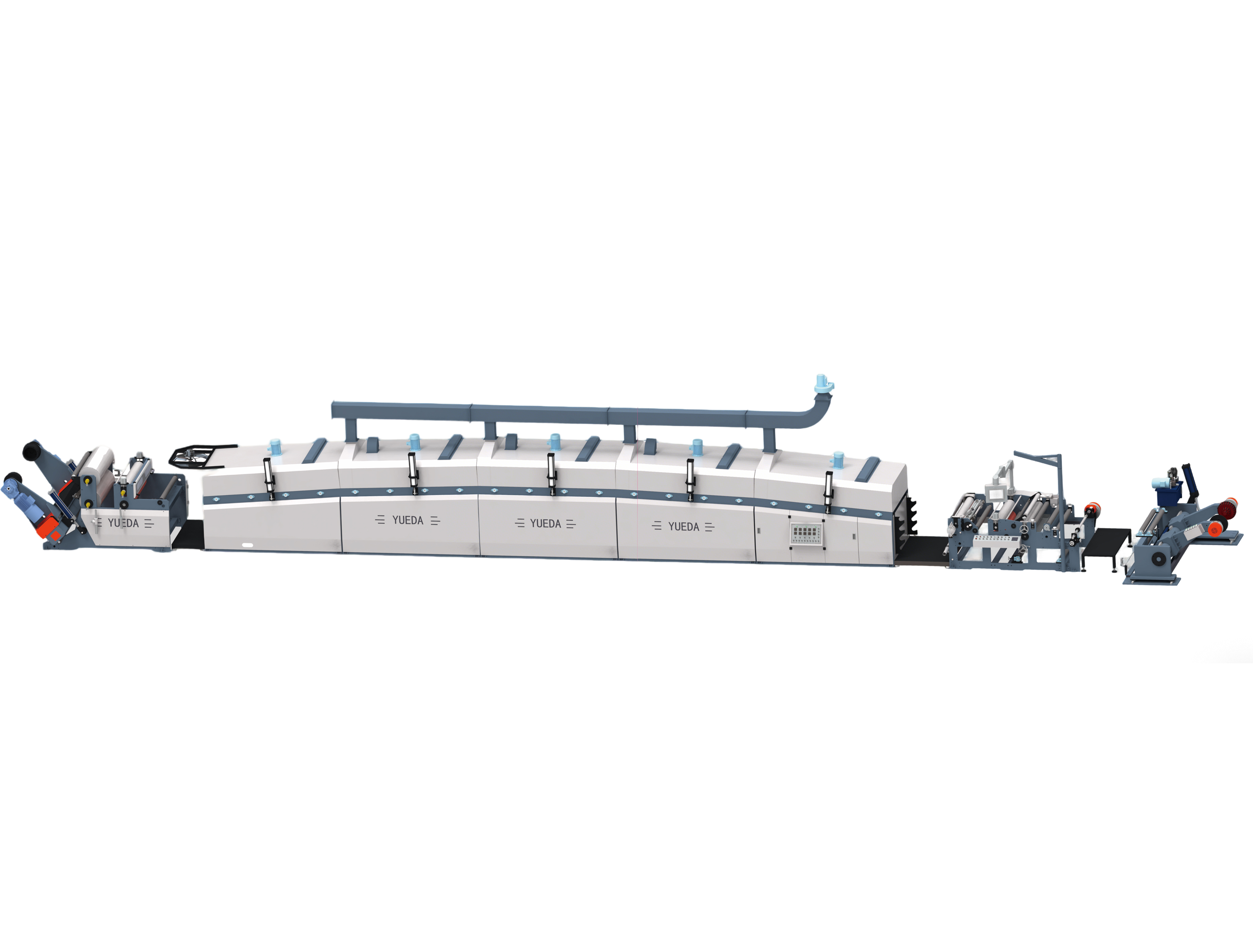
The YDLM1300B Gold and Silver Cardboard Laminator is a high-demand machine used in packaging, printing, luxury product presentation, and premium paperboard finishing.
If you are planning to order a gold and silver cardboard laminator, it is essential to review the correct documents before purchase.
This helps ensure the machine matches your production requirements, installation conditions, power system, material thickness range, and application expectations.
This guide provides SEO-friendly, industry-focused, and fully original information about the YDLM1300B Gold and Silver Cardboard Laminator.
It explains what the machine is, why it matters, the benefits of using a cardboard laminator for metallic paperboard, and most importantly,
the documents to confirm before ordering.
The content is written for use in blogs, directory pages, industry pages, product information pages, and Google-indexable HTML sections.
A gold and silver cardboard laminator is a finishing machine designed to bond metallic decorative sheets, films, or paper layers onto cardboard or paperboard substrates.
The goal is to create a premium visual effect, improve surface appeal, and support high-end packaging applications.
The YDLM1300B model name generally refers to a cardboard laminating machine with a working width around 1300 mm, making it suitable for medium-to-large format production.
This type of laminator is commonly used in the production of luxury packaging, gift boxes, cosmetic cartons, wine boxes, promotional displays, and decorative printed boards.
Gold and silver lamination can enhance the perceived value of a product while also improving protection and handling performance.
Gold and silver effects remain among the most attractive finishes in the printing and packaging industry.
They are associated with quality, elegance, celebration, exclusivity, and premium branding.
A gold and silver cardboard laminator helps manufacturers achieve these effects consistently and efficiently.
Before ordering a YDLM1300B Gold and Silver Cardboard Laminator, it is useful to understand the typical use cases.
Matching the machine to the actual application is one of the most important steps in the procurement process.
| Application Area | Common Products | Main Benefit of Gold/Silver Lamination |
|---|---|---|
| Luxury packaging | Gift boxes, premium cartons, rigid boxes | Improves shelf appeal and premium value |
| Cosmetics | Perfume boxes, skincare cartons, makeup packaging | Creates a high-end cosmetic branding effect |
| Food and beverage | Chocolate boxes, wine packaging, specialty cartons | Adds festive and premium presentation |
| Promotional printing | Display boards, campaign materials, retail POS items | Increases visual attention and product recognition |
| Stationery and publishing | Book covers, folders, presentation boards | Enhances appearance and tactile quality |
| Electronics packaging | Product cartons, accessory boxes, branded inserts | Supports a clean and premium brand image |
A well-selected cardboard laminator can significantly improve production quality and operational consistency.
The YDLM1300B type is commonly valued for its balanced working width, premium finishing capacity, and suitability for industrial packaging workflows.
The machine enables consistent gold or silver surface lamination, which is difficult to achieve manually at scale.
This helps manufacturers maintain a refined and uniform appearance across batches.
Automated or semi-automated lamination reduces dependence on manual labor and improves throughput.
For packaging lines with repetitive jobs, this can reduce production bottlenecks.
Uniform pressure, controlled feeding, and consistent bonding are key advantages of a dedicated laminating machine.
This leads to fewer defects such as bubbles, wrinkles, misalignment, or uneven adhesion.
Gold and silver cardboard lamination is widely used where packaging design influences customer perception.
A laminator supports visual differentiation and premium brand storytelling.
Compared with less controlled manual methods, a machine-based laminating process may reduce material waste caused by errors, misfeeds, or surface defects.
One of the most important steps before ordering any industrial laminator is document confirmation.
These documents protect both the buyer and the production line by ensuring that the machine specifications, installation conditions, and performance expectations are clearly understood.
Below are the main documents and technical records that should be reviewed before placing an order.
| Document to Confirm | Why It Matters | What to Check |
|---|---|---|
| Product specification sheet | Defines the machine’s technical capabilities | Working width, speed, thickness range, power, dimensions |
| Machine configuration list | Shows included parts and optional systems | Feed unit, laminating unit, control system, drying or heating features |
| Technical drawing | Confirms footprint and installation space | Machine size, layout, service clearance, access points |
| Electrical requirements | Prevents power mismatch | Voltage, phase, frequency, total power load |
| Air supply requirements | Necessary for pneumatic components if applicable | Air pressure, flow rate, air connection standard |
| Material compatibility list | Ensures the machine suits target materials | Cardboard type, paper thickness, film compatibility, coating type |
| Sample acceptance record | Validates expected output quality | Adhesion, finish, alignment, gloss, metallic effect |
| Operation manual | Supports correct usage and training | Setup, operation, maintenance, troubleshooting |
| Warranty terms | Clarifies support responsibility | Coverage period, excluded items, service conditions |
| Shipping and packing list | Ensures delivery completeness | Machine unit, accessories, tools, manuals, spares |
The product specification sheet is the core document for any machine order.
It should clearly state the YDLM1300B Gold and Silver Cardboard Laminator parameters so the buyer can verify whether the machine matches the intended production line.
If the specification sheet is incomplete or unclear, there is a higher risk of mismatch after delivery.
Important fields in the specification sheet often include:
A technical drawing is essential for planning installation space.
Even if the machine name suggests a 1300 mm working width, the full machine footprint may be much larger.
Buyers should confirm length, width, height, service access space, and maintenance clearance.
Technical drawings are especially important for factories with limited floor area, narrow entryways, or fixed production layouts.
They also help ensure that the machine can be moved into position safely.
Before ordering a cardboard laminator, confirm that the facility power system matches the machine requirement.
Industrial laminators may require specific voltage, phase configuration, and frequency.
If the power supply is not compatible, additional electrical work may be necessary before installation.
| Power Item | Confirmation Point | Risk if Ignored |
|---|---|---|
| Voltage | Matches local factory standard | Machine may not start or may be damaged |
| Phase | Single-phase or three-phase compatibility | Electrical mismatch and unstable operation |
| Frequency | 50 Hz or 60 Hz requirement | Control and motor performance issues |
| Total load | Available power capacity is sufficient | Overload or production interruption |
Some laminating machines include pneumatic components for pressure control, feeding stability, or material handling.
If the YDLM1300B model uses compressed air, the buyer should confirm air pressure requirements and connector standards in advance.
This avoids delays during installation.
Different cardboard types behave differently during lamination.
Before ordering, confirm the materials you plan to process, including coated board, printed board, metallic decorative sheet, or laminated paperboard.
The machine must be suitable for the material thickness, surface condition, and adhesive or thermal bonding method used.
Material compatibility confirmation is critical because the wrong machine setting can affect adhesion, appearance, and yield rate.
Sample testing is one of the most practical ways to confirm performance.
Before finalizing the order, ask for sample output or test records that show how the machine handles gold and silver lamination.
This may include surface gloss, edge alignment, bonding strength, and finish consistency.
A sample acceptance record helps avoid disputes by making performance expectations visible before shipment.
The operation manual should be reviewed before the machine arrives.
It provides guidance on startup, adjustment, shutdown, maintenance, and safety precautions.
For factories with multiple operators, the manual also supports training and standardization.
Warranty terms should be clear in writing.
Check coverage duration, parts included, labor support, exclusion conditions, and response methods.
For an industrial cardboard laminator, after-sales clarity is important because maintenance planning affects machine uptime and long-term efficiency.
The packing list helps confirm that the correct machine, accessories, tools, and documents are included in the shipment.
It is a simple but essential record for logistics verification.
Buyers should also confirm how the machine will be packed for export, including anti-rust measures, shock protection, and crate labeling.
The exact specification of a YDLM1300B Gold and Silver Cardboard Laminator may vary by configuration, but the table below shows common industry reference items.
This is useful for catalog pages, pre-order review, and SEO content around laminating machinery.
| Specification Item | Typical Reference Range | Notes |
|---|---|---|
| Model type | YDLM1300B | Common industrial naming for 1300 mm class laminator |
| Working width | Up to 1300 mm | Suitable for medium and large sheet formats |
| Applicable material | Cardboard, paperboard, printed sheets | Depends on machine configuration |
| Lamination effect | Gold and silver metallic finish | Used for premium visual enhancement |
| Production speed | Varies by configuration | Must be confirmed with supplier documents |
| Power requirement | Depends on model setup | Confirm voltage and total load before ordering |
| Control method | Manual, semi-automatic, or automatic | Must match production workflow |
| Machine size | Model-dependent | Check technical drawing for exact footprint |
| Installation type | Floor-standing industrial equipment | Requires sufficient space and leveling |
When reviewing a gold and silver cardboard laminator, it is not enough to look at a sales brochure alone.
Buyers should compare multiple documents side by side to make sure all details match.
A good procurement process usually includes a specification sheet, technical drawing, sample testing record, packing list, and warranty terms.
Ordering industrial equipment without document confirmation can lead to installation problems, production delays, and quality issues.
The following mistakes are common when purchasing a cardboard laminator for gold and silver finishing.
| Mistake | Why It Causes Problems | How to Prevent It |
|---|---|---|
| Ignoring the technical drawing | Machine may not fit the installation area | Measure space and review layout in advance |
| Not checking power requirements | Electrical mismatch can stop production | Confirm voltage, phase, and frequency |
| Skipping sample testing | Output quality may not meet expectations | Request actual sample or acceptance records |
| Overlooking material compatibility | Finishing defects may occur | Match machine capabilities to substrates |
| Failing to confirm warranty terms | Support expectations may be unclear | Get written after-sales terms before ordering |
Confirming documents before ordering a YDLM1300B Gold and Silver Cardboard Laminator improves decision-making and reduces procurement risk.
It also helps production teams prepare installation, training, and material planning in advance.
The following keyword phrases are relevant for search optimization and can be naturally integrated into blogs, catalog pages, or equipment category pages:
Its main purpose is to apply a metallic decorative finish to cardboard or paperboard materials, improving visual appeal and premium presentation.
Document review helps confirm that the machine fits the production line, power system, space requirements, and target materials.
Yes. Sample testing is strongly recommended because it shows whether the machine can deliver the desired gold or silver lamination quality.
Voltage, phase, frequency, and total power load should all be verified before purchase.
Not always. Material compatibility varies by substrate thickness, surface finish, and bonding method, so confirmation is necessary.
The YDLM1300B Gold and Silver Cardboard Laminator is a valuable machine for premium packaging and decorative cardboard finishing.
However, a successful order depends on more than machine interest alone.
Buyers should carefully confirm the specification sheet, technical drawing, power requirements, material compatibility, sample records, manual, warranty terms, and shipping documents before ordering.
By reviewing these documents in advance, businesses can reduce risk, improve installation readiness, and ensure that the laminator matches real production needs.
For any company evaluating a gold and silver cardboard laminator, document confirmation is not optional—it is a key step in making a reliable, efficient, and profitable equipment decision.
```
Contact: Peter Chen/Jack Chen
Mail : peterchen@yuedamachine.com
Cellphone: +86 18767458866/ +86 19857780001
Address: Building 2, No. 1333 Times Avenue, Longgang City,Wenzhou City, Zhejiang Province China
Copyright © 2026 Wenzhou Yueda Packaging Machinery Co., Ltd. All Rights Reserved.
SitemapThis website uses cookies to ensure you get the best experience on our website.
 Español
 Portugues
 Indonesia
 Tiếng Việt



 Phone
 E-mail
Comment
(0)