

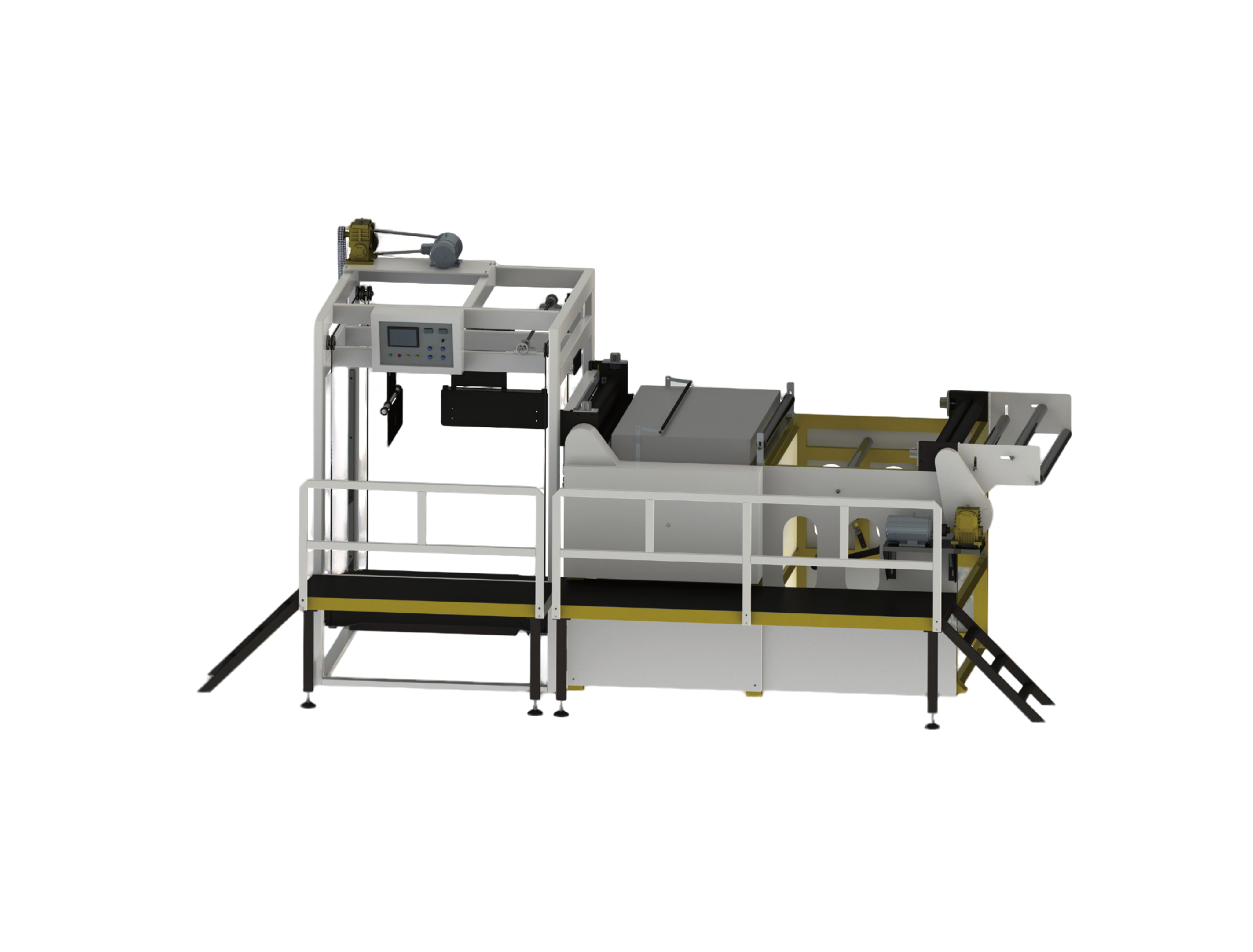
The YDLM1300B Gold and Silver Cardboard Laminator is a specialized packaging finishing machine designed for
high-precision lamination on cardboard and paperboard materials, especially for applications that require metallic visual effects,
premium surface enhancement, and durable protective finishing. In the modern packaging industry, product presentation is as important
as structural integrity. Brands in cosmetics, luxury goods, food packaging, gifts, stationery, tobacco, electronics, and promotional
packaging increasingly rely on gold and silver laminated cardboard to create a premium look that stands out on retail shelves and
in e-commerce photography.
This article provides a detailed, SEO-friendly overview of the YDLM1300B Gold and Silver Cardboard Laminator,
including what it is, how it works, what packaging materials are compatible, the advantages of lamination, technical considerations,
machine specifications, and practical guidance for matching the machine to your packaging material. The content is designed for
industry pages, product directories, blog articles, and B2B SEO use, with a focus on original packaging machinery content,
cardboard laminating machine information, and gold and silver board lamination applications.
A gold and silver cardboard laminator is a packaging machine used to apply a metallic film, foil layer, or decorative
lamination effect onto cardboard, paperboard, gray board, or other rigid sheet materials. The result is a surface that reflects light,
improves aesthetics, and often adds a protective layer against moisture, dust, abrasion, and surface wear. These machines are widely
used in premium packaging production where visual impact and brand identity matter.
The YDLM1300B Gold and Silver Cardboard Laminator belongs to this category and is typically used for sheet-fed
laminating operations. It is engineered for consistent film bonding, stable feeding, and efficient finishing of packaging substrates
with gold or silver appearance requirements. In many packaging workflows, the laminator is positioned after printing and before die-cutting,
folding, or box forming, making it an important part of the finishing line.
Gold and silver surfaces have long been associated with luxury, elegance, celebration, and quality. In packaging, these finishes can
help a product attract attention and create a premium brand perception. Gold and silver cardboard lamination is particularly popular
because it combines decoration and protection in a single process.
Key reasons packaging businesses use metallic lamination include:
Although exact configuration may vary by production setup, a gold and silver cardboard laminator generally follows a structured process:
The value of the YDLM1300B Gold and Silver Cardboard Laminator lies in its ability to keep this process stable, efficient,
and suitable for repetitive production runs. In packaging operations, consistency is critical. Even small variations in heat, pressure,
feeding, or surface tension can affect adhesion quality and final appearance.
Matching the laminator to the correct substrate is essential for achieving strong bonding and a professional finish. The
YDLM1300B cardboard laminator is generally suited to a range of paper-based packaging materials, provided they meet
flatness, thickness, and surface compatibility requirements.
| Packaging Material | Compatibility Level | Typical Use Cases | Notes |
|---|---|---|---|
| White cardboard | High | Luxury boxes, cosmetic cartons, gift packaging | Excellent for metallic effect visibility and premium printing |
| Gray board | High | Rigid box packaging, structural packaging, stationery | Requires good surface preparation for best lamination result |
| Coated paperboard | High | Retail cartons, display boxes, branded packaging | Smooth surface supports uniform lamination |
| Uncoated board | Medium | Simple cartons, eco-friendly packaging | May require stronger adhesive control for adhesion consistency |
| Printed paperboard | High | Brand packaging, promotional boxes, seasonal packaging | Ensure ink is fully dried before lamination |
| Thick carton sheets | Medium to High | Rigid packaging inserts, premium presentation boards | Machine settings should match thickness and rigidity |
| Specialty laminated board | Depends on surface | Luxury packaging, decorative sleeves, display board | Test before full production to confirm adhesion performance |
For packaging manufacturers, the benefits of choosing a specialized lamination machine are not limited to appearance. A well-matched
laminator can improve productivity, reduce waste, and support premium product positioning.
Gold and silver lamination gives cardboard packaging a reflective, eye-catching finish that communicates quality. In many product
categories, visual design is one of the strongest drivers of consumer interest. A metallic laminated surface helps packaging appear
more expensive, polished, and refined.
Laminated surfaces often provide better resistance to handling damage. The film or metallic layer can help protect the printed board
from scuffing, fingerprints, light moisture, and dust exposure. This is especially useful for retail packaging that moves through
warehouses, stores, and delivery channels.
A properly configured cardboard laminator can improve throughput compared to manual surface finishing methods. Automated or semi-automated
feeding reduces labor dependence and helps maintain stable output during continuous production.
Packaging is a marketing asset. Metallic gold and silver effects support luxury branding and can increase perceived value. The YDLM1300B
type of machine is especially useful for packaging companies working with high-end product categories and custom carton finishing.
The same laminator can often be used for multiple substrate types and packaging formats, provided thickness and surface conditions are
within the machine’s operating range. This flexibility makes it suitable for diverse packaging lines.
Choosing the right cardboard laminator is not just about machine size or speed. It is also about substrate compatibility. For the
YDLM1300B Gold and Silver Cardboard Laminator, the following factors should be reviewed before production:
| Factor | Why It Matters | What to Check |
|---|---|---|
| Material thickness | Affects feeding, pressure, and bonding stability | Confirm board thickness is within machine range |
| Surface smoothness | Impacts lamination quality and metallic appearance | Use smooth, even surfaces for best results |
| Ink drying level | Prevents smudging and adhesion issues | Make sure printed sheets are fully dry before lamination |
| Humidity and temperature | Can influence board flatness and adhesive behavior | Keep storage and production environment controlled |
| Adhesive compatibility | Ensures the gold/silver layer bonds properly | Match adhesive type to substrate and film specification |
| Machine width | Determines maximum sheet size | Confirm working width matches product dimensions |
| Output requirement | Impacts machine selection by production volume | Evaluate daily output target and cycle speed |
Gold and silver cardboard lamination is used across multiple packaging sectors. The finish is particularly effective for products where
visual appeal and premium perception influence buying decisions.
The following table provides a general industry-style specification overview for a machine in the 1300 mm class. Exact technical data
may vary by configuration, but this format is useful for SEO pages, product directories, and buyer education content.
| Specification Item | Typical Value / Range | Description |
|---|---|---|
| Machine type | Gold and silver cardboard laminator | Designed for metallic lamination on paperboard and carton sheets |
| Working width | Up to approximately 1300 mm | Suitable for medium to large packaging sheets |
| Compatible material | Cardboard, paperboard, coated sheets | For premium packaging and decorative lamination |
| Surface finish | Gold, silver, metallic decorative finish | Enhances appearance and brand value |
| Feeding system | Automatic or semi-automatic sheet feed | Supports stable and efficient production |
| Lamination method | Pressure, adhesive, heat-assisted or combined | Depends on machine design and material requirements |
| Production speed | Varies by setup and substrate | Influenced by board type, thickness, and finish quality target |
| Control system | Manual, semi-automatic, or automated controls | Supports setting adjustment and process monitoring |
| Output use | Printed packaging sheets, rigid cartons, decorative boards | Prepared for die-cutting, box forming, or further finishing |
| Industry use | Packaging, printing, finishing, gift box manufacturing | Suitable for premium and decorative packaging workflows |
Not every cardboard type will produce the same result. To get the best outcome from the YDLM1300B Gold and Silver Cardboard Laminator,
packaging manufacturers should evaluate the following board characteristics:
In general, smoother and more stable packaging materials yield better gold and silver lamination results. If the board is too rough,
too damp, warped, or poorly printed, the final metallic finish may show inconsistency, bubbles, wrinkles, or weak adhesion.
To maximize performance and reduce waste, packaging operators should follow standard production practices when working with metallic
laminated cardboard:
Even a reliable lamination machine can produce defects if material preparation or machine settings are not correct. Common issues in
gold and silver cardboard lamination include the following:
| Quality Issue | Possible Cause | Prevention Method |
|---|---|---|
| Air bubbles | Poor pressure, uneven surface, trapped air | Use correct roller pressure and clean substrate surfaces |
| Wrinkles | Incorrect tension or warped board | Check material flatness and feeding alignment |
| Weak adhesion | Improper adhesive or insufficient curing | Match the bonding method to material requirements |
| Surface scratches | Rough handling or dirty rollers | Protect finished sheets and maintain clean equipment |
| Uneven metallic effect | Inconsistent pressure or substrate variation | Standardize material quality and machine settings |
| Registration problems | Feeding misalignment or inaccurate setup | Adjust feed guides and perform alignment checks |
For SEO and content planning, the following keywords and phrases are naturally relevant to this topic and can be used across
packaging machinery pages, blog posts, and category descriptions:
When creating product pages or industry articles for packaging machinery, it is important to explain not only what the machine does
but also what materials it can handle. Search engines favor content that answers user intent clearly. Buyers also prefer practical
information that helps them compare substrate compatibility, production suitability, and finishing outcomes.
A page focused on the YDLM1300B Gold and Silver Cardboard Laminator should therefore include terms such as
cardboard laminator, gold and silver lamination, packaging material compatibility,
paperboard finishing, and premium packaging production. These phrases help the page rank for
relevant industrial searches while making the content more useful to buyers, distributors, packaging engineers, and production managers.
The YDLM1300B Gold and Silver Cardboard Laminator is an important machine for packaging businesses that need a
premium metallic finish on cardboard and paperboard. By understanding material compatibility, lamination methods, substrate quality,
and production best practices, manufacturers can achieve a high-end appearance while improving efficiency and packaging durability.
Whether used for cosmetic cartons, luxury gift boxes, display packaging, or specialty retail products, a gold and silver cardboard
laminator can significantly enhance the market value of printed packaging. The key to success is matching the machine to the right
material and maintaining consistent production standards. For industrial buyers and packaging professionals, this makes the
YDLM1300B Gold and Silver Cardboard Laminator a practical and strategic choice in premium packaging finishing.
```
Contact: Peter Chen/Jack Chen
Mail : peterchen@yuedamachine.com
Cellphone: +86 18767458866/ +86 19857780001
Address: Building 2, No. 1333 Times Avenue, Longgang City,Wenzhou City, Zhejiang Province China
Copyright © 2026 Wenzhou Yueda Packaging Machinery Co., Ltd. All Rights Reserved.
SitemapThis website uses cookies to ensure you get the best experience on our website.
 Español
 Portugues
 Indonesia
 Tiếng Việt



 Phone
 E-mail
Comment
(0)